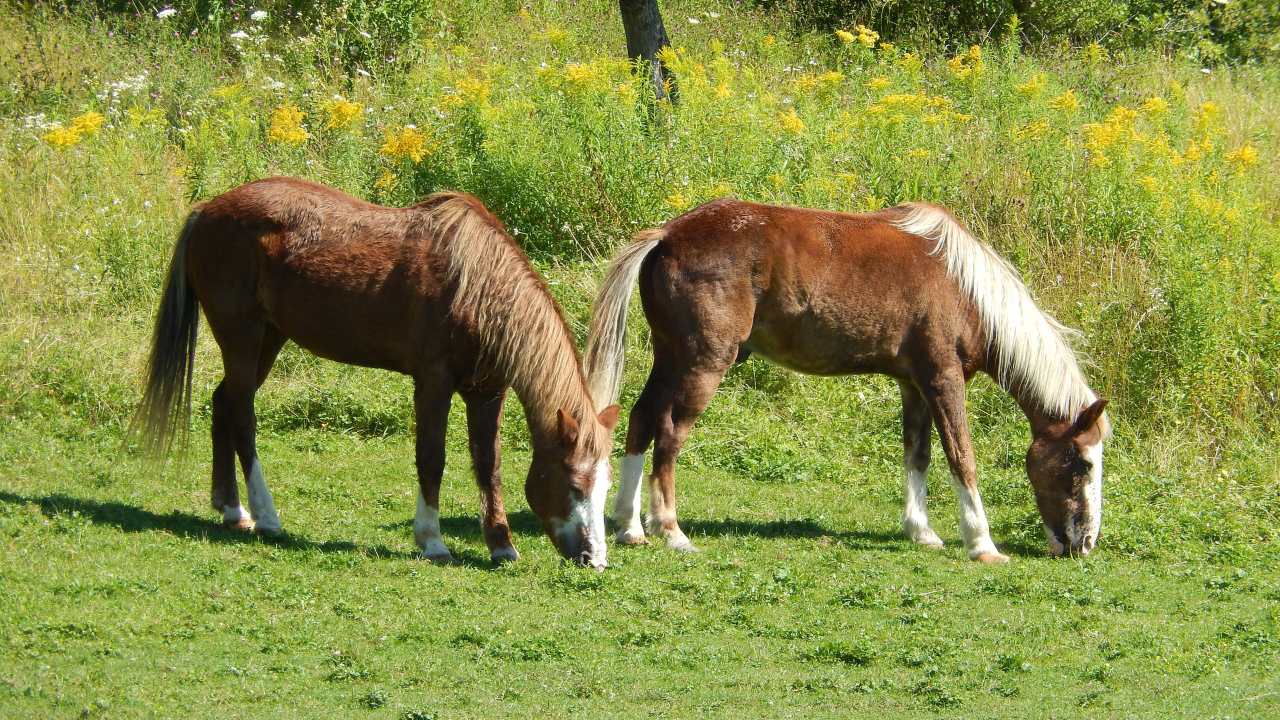
Around 1760, Boston merchant and shipowner Thomas Hancock sent horses to Sable Island, a remote crescent-shaped sand island in the North Atlantic. The animals were part of a larger group of livestock placed there during the 18th century, when merchants saw isolated islands as places where animals could reproduce without requiring constant care. After more than 250 years, the descendants of those horses still roam Sable Island without human management. Their numbers have fluctuated widely over the decades, and reached more than 500 in several recent annual counts. The official 2024 count recorded 420 horses. Parks Canada says the population has varied between 374 and 590 in recent years. The story is unusual not simply because the horses survived, but because they are now a protected wild population on an island where people no longer intervene in their breeding or daily survival. Parks Canada's historical account says Hancock shipped horses to the island sometime after 1755. The animals were associated with Acadians that were deported from Nova Scotia during the Great Upheaval, whom Hancock had transported to New England colonies. He also placed cattle, sheep, goats and hogs on the island. Only the horses survived there in the long term.
Get breaking news anytime, anywhere. Download the TOI app now!