
Get all your news in one place.
100's of premium titles.
One app.
Start reading
Homes & Gardens
Homes & Gardens
Drew Swainston

If Your Crops Are Bolting Faster Than You Can Harvest Them, Try These 5 Tricks for Bigger, Longer Harvests

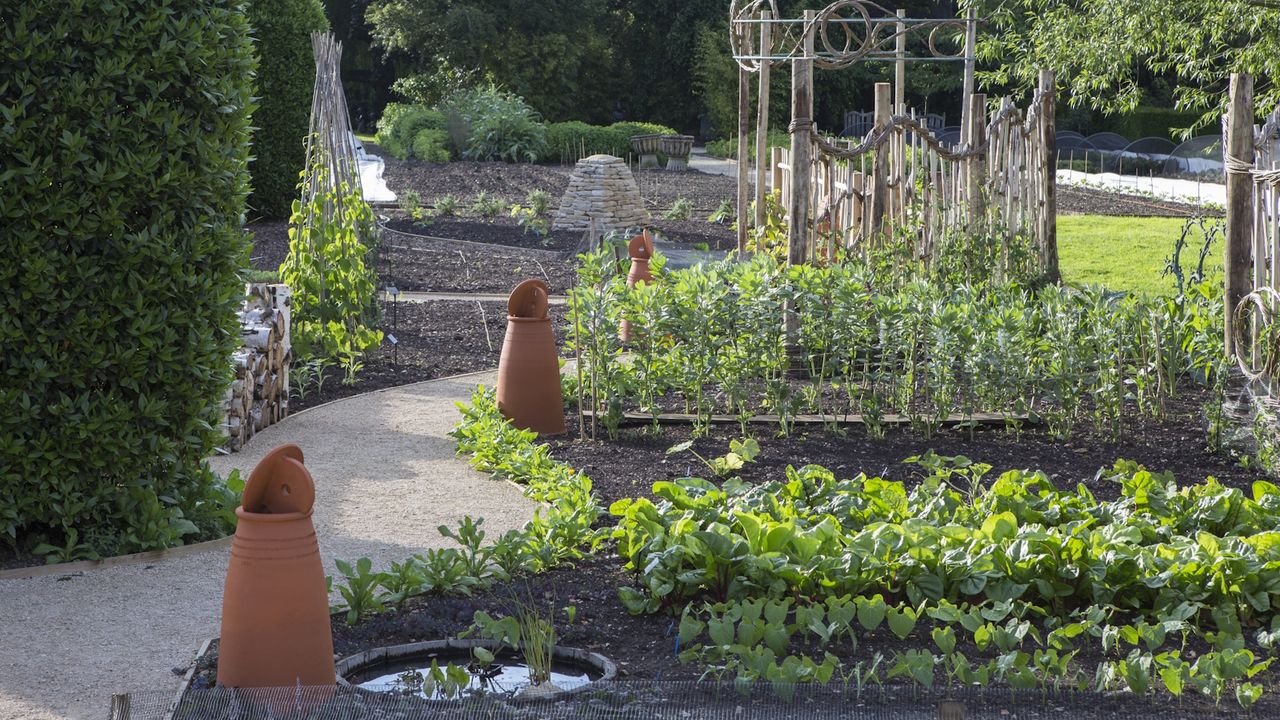
The summer vegetable garden at Le Manoir Aux Quat Saisons.

As the temperatures soar in the summer, cool-season crops are always likely to bolt. It is a frustrating yet natural process, and one that gardeners consistently battle with year after year.

Vegetables, including lettuce, spinach, arugula, radishes, and Asian greens, bolt and start to flower when temperatures pass 70°F. However, there are ways to prevent bolting vegetables, such as proper watering, mulching, providing shade to your crops, and planting them at the right time.

I have seen many crops bolt over my years growing vegetables. While I have lost many potential harvests, I have also picked up a few tips to reduce the chances of bolting vegetables blotting your kitchen garden. Whatever the size of your vegetable garden, these five factors can make a difference each season.

1. Be Consistent With Watering

(Image credit: Getty/Betsie Van der Meer)

Regular, consistent watering can reduce stress on your crops and lessen the chances of you looking at rows and rows of bolting vegetables you need to remove from the garden.

True, temperatures will affect when a vegetable bolts. But the likelihood of it happening increases when a crop is under stress from a lack of moisture. Vegetables suffering from drought stress will also start to bolt at lower temperatures.

To avoid this happening, check your plants often (a moisture meter can make it obvious when it is time to water – you can get a soil moisture meter at Amazon) and keep them well hydrated. Infrequent deep watering is more beneficial than little-and-often watering, and offers the best way to keep soil moist in the summer.

So your watering makes the most impact; water the vegetable garden in the morning on hot days. This helps prevent the soil from drying out and gives crops time to take up moisture before the temperatures rise.

2. Mulch to Regulate Temperature and Moisture

(Image credit: Etienne Jeanneret / Moment / Getty Images)

Heat and moisture are two factors that cause bolting of vegetables. An efficient way to combat both is by mulching the vegetable garden.

Mulching around crops regulates soil temperature. The thick barrier keeps the rays at bay, so the soil around the roots stays cool rather than getting baking hot. The layer also locks moisture in the ground, meaning less water is lost to evaporation, and your plants can take advantage.

Use organic products for this. The best organic mulch for a vegetable garden includes compost, straw, bark (you can get bags of pine bark mulch at Lowe’s), or shredded leaves. Spread it in a nice, thick 2-3 inch layer around your vegetables.

3. Give Crops Some Shade

(Image credit: A Garden/Alamy Stock Photo)

High temperatures usually kick-start cool-season vegetables into survival mode, where they bolt in an attempt to flower and produce seed before their time is nigh. Giving crops some shade from the sun reduces the temperature by several degrees and can be the difference between bolting and non-bolting vegetables.

Gardeners can use shade cloth to cover plants. It is ideal to opt for a shade cloth that keeps out 50% of the light, such as this breathable shade cloth at Amazon.

You need to install the cloth over some hoops (like these fiberglass hoops at Walmart) to keep it raised off the crops. As the cloth heats up, if it is touching the vegetables, it can burn them.

An alternative way of providing more natural shade is through companion planting. You can plant cool-season, heat-sensitive crops under the partial shade of taller vegetables, including pole beans, tomatoes, or corn.

4. Pick Bolt-Resistant Varieties

(Image credit: Getty Images/Susumu Yoshioka )

One efficient way to avoid the issue of bolting vegetables is to be savvy when shopping for seeds. There are bolt-resistant varieties of many vegetables to plant, including spinach, lettuces, and Asian greens.

In truth, bolt-resistant varieties aren’t a guarantee. They have been bred using modern techniques to be more resilient to temperatures or inconsistent watering, but they can still bolt under extreme conditions.

Adding some bolt-resistant or heat-tolerant varieties of cool-season crops to your seed sowing schedule can help alleviate potential worries about vegetables bolting.

For example, you can get bolt-resistant Seaside spinach seeds at Burpee and bolt-resistant Jericho lettuce seeds at True Leaf Market to try out if you regularly suffer from these crops bolting each season.

5. Time Your Planting Right

(Image credit: Getty/Westend61)

Often, gardeners see their crops bolt because they have been planted a bit outside of the ideal.

We have all sown cool-season crops a bit too late in spring, which leads them to bolt once the summer temperatures arrive. Even fast-growing vegetables can lack the time to go from sowing to cropping if sown in late spring or early summer.

Ensure you give them enough time to mature. Work out the days to maturity – which you can often find on seed packets or online – and sow them at the appropriate time. If you miss the spring sowing, you can often sow again in late summer for harvests in the fall.

To avoid complete losses, radishes, lettuce, spinach, and arugula can be planted successively.

Starting early in spring (once the ground is warm enough, or even sowing seeds indoors) and sowing these every few weeks will give you different ages of crop in the kitchen garden. If they do bolt in the summer, you should have already had some harvests, and you don’t lose an entire crop.

A set of seeds to grow 32 popular types of vegetables. All of the seed types are heirloom varieties and come individually packed.

A compost mix specially formulated for starting seeds indoors, made from natural coconut coir. It is ideal for sowing vegetable seeds, as well as flowers and herbs.

A good pair of pruning shears is essential for trimming and harvesting vegetables. These bypass shears have a sharp, precision-ground steel blade.

Sometimes, bolting happens, and you have to deal with it. However, it doesn’t always mean you need to throw the crop away.

With some crops, like lettuce and spinach, the larger leaves can turn bitter, yet the smaller ones remain flavorful – it is not a total loss.

When it comes to bolting onions, though, you can lift the bulb and use it straight away in the kitchen. The bulbs may be smaller than ideal, but you can still harvest the onions and eat them.

If you love inspiring garden ideas, outdoor advice, and the latest news, why not sign up for our newsletter and get the latest features delivered straight to your inbox?

Heirloom Seeds Kit Seed Starting Mix Fiskars Pruning Shears
Sign up to read this article
Read news from 100's of titles, curated specifically for you.
Already a member? Sign in here
Related Stories
Top stories on inkl right now
One subscription that gives you access to news from hundreds of sites
Already a member? Sign in here
Our Picks
Fourteen days free
Download the app
One app. One membership.
100+ trusted global sources.