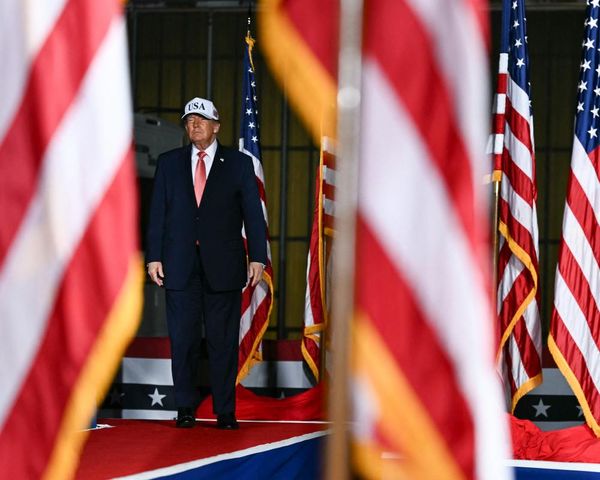
Nearly universal support on Capitol Hill for the "big, beautiful bill" is a powerful reminder that Republicans love to run for office on a platform of cutting spending and then immediately betray that promise once they actually have the power to fulfill it. President Donald Trump, House Speaker Mike Johnson, and most of the Republican caucus are working tirelessly to pass a budget that would add $2.4 trillion to the deficit. Virtually the only political figures remaining consistent in their opposition to increased spending are Sen. Rand Paul (R–Ky.), Rep. Thomas Massie (R–Ky.), and Elon Musk, who is currently venting his frustration with Trump on X.
Suffice it to say, genuine attempts to cut federal spending are unusual.
One bright spot, however, is Trump's move to cut funding to publicly subsidized media: National Public Radio (NPR) and the Public Broadcasting Service (PBS). Libertarians and conservatives have long wondered why the government is in the business of subsidizing news or children's programming, especially when that programming evinces a pro-liberal bias, as was obviously the case with NPR and its president, Katherine Maher. PBS may be marginally more defensible on its own merits, but in the year 2025, it is simply not the case that the channel is meeting some need that the market fails to provide for. YouTube is brimming with high-quality, free (i.e. advertiser-supported) educational content for kids. If Big Bird is a better product, let him stand on his two legs—people will pay to watch him.