Today’s economy is being shaped by a range of competing forces: technological disruption, a rapidly globalizing marketplace, and a workforce caught in between — largely without a safety net designed for the speed of change. But this isn’t the first time that’s happened. As someone who worked for the U.S. government throughout the 1990s, I’m seeing evidence that the ‘90s are back in ways that extend beyond FX’s Love Story and the resurgence of grunge.
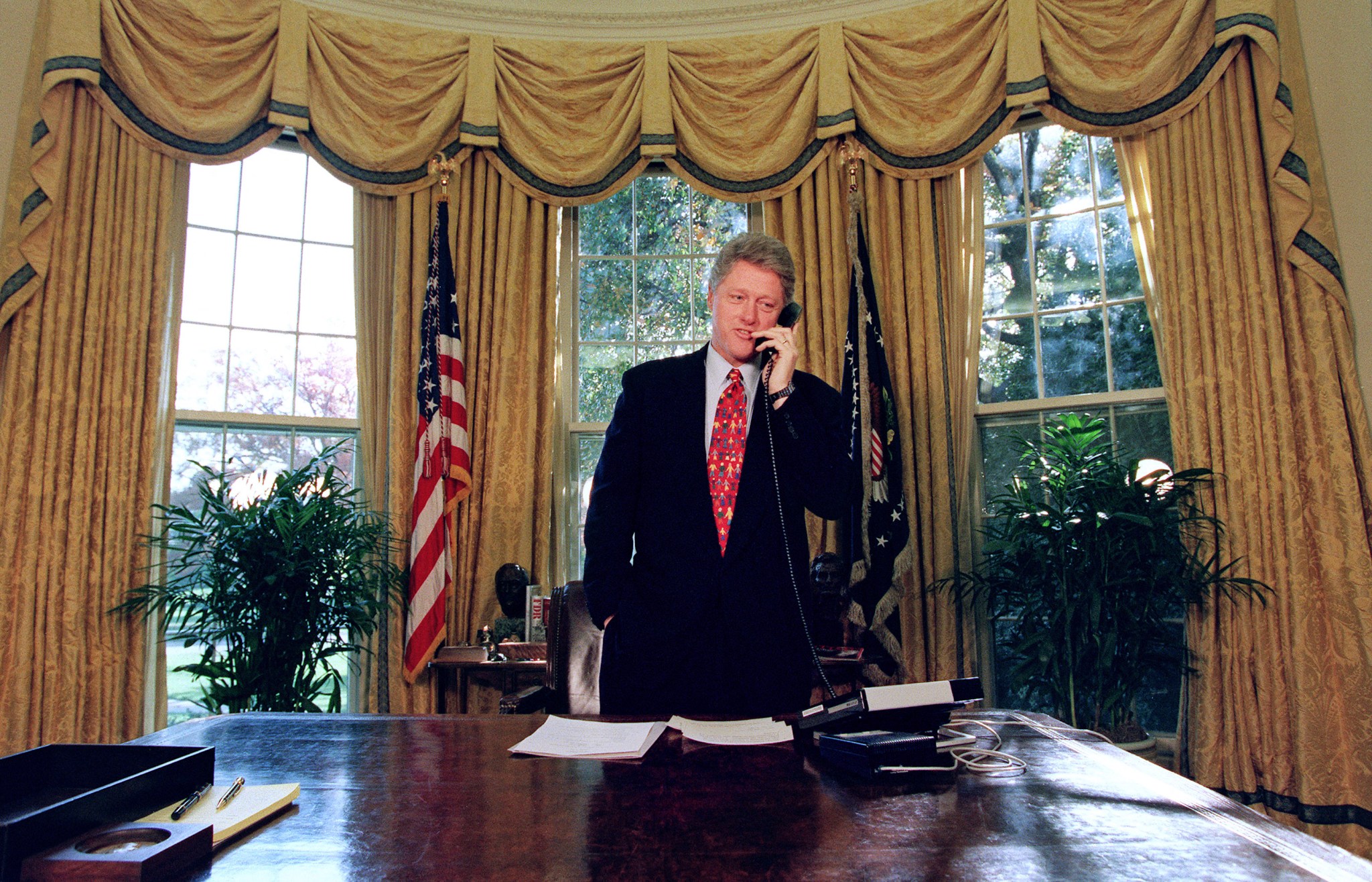
My work at the U.S. Department of Labor in the ‘90s coincided with the passage of the North American Free Trade Agreement and the acceleration of trade with China. I saw the ways those dynamics created winners and losers: some industries flourished while others collapsed, and six million manufacturing jobs disappeared. Today, AI may be creating a similarly defining moment of labor-market uncertainty, and at an even larger scale. Some estimates suggest that 6% of American jobs could disappear due to AI, affecting 11 million American workers.