Get all your news in one place.
100’s of premium titles.
One app.
Start reading
Woman & Home
Woman & Home
Lifestyle
Samantha Priestley

I tried running for 30 minutes a day - these are the benefits I saw after just two weeks

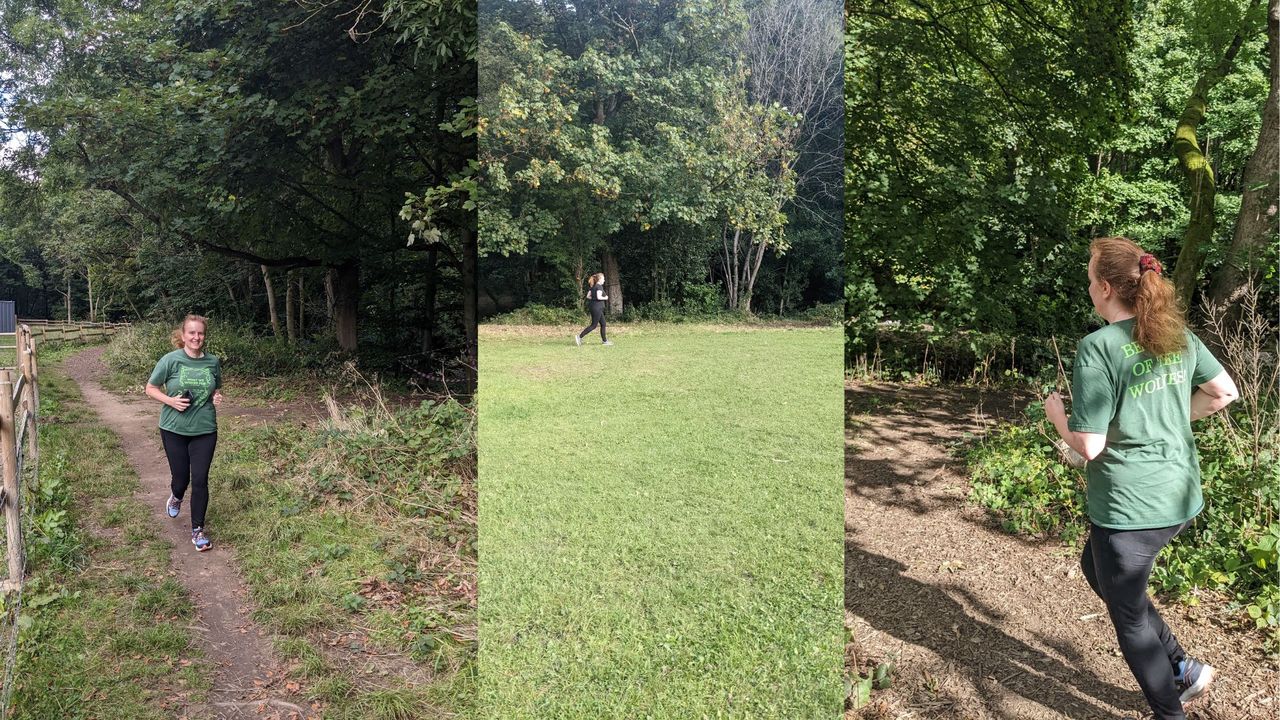
Samantha Priestley running 30 minutes a day through fields and paths wearing workout clothes.

Running 30 minutes a day is a big commitment, but if you're looking to take on a challenge and get fitter in 2026, it's a good one to choose, whether you're new to running or have been pounding the pavements for years.

Speaking from experience, it's an activity that comes with many benefits, and once you've started, keeping it up isn't as hard as you might think. Before I took up the challenge in my best running shoes, I assumed running for 30 minutes a day was reserved for 'serious' runners, and not someone like me who only runs occasionally and wouldn't call themselves a 'real runner'.

Although I've been prone to knee and ankle injuries in the past, I’m also currently dealing with the symptoms of menopause and running has surprisingly helped soothe my aching joints. It's also lifted my mood and pushed me to get outside in the fresh air like nothing else, even when the weather isn't so good.

Benefits of running 30 minutes a day

1. Running 30 minutes a day helps build fitness

Wondering how long it takes to get fit with running? I found that 30 minutes a day for a couple of weeks did the trick.

I’m used to running for shorter periods, and I’m used to walking for 30 minutes every other day or so, so I was interested to find out what the differences were between running vs walking. It was hard at first, and there were days when I thought I wouldn’t make it through the full 30 minutes, but I stuck to a run/walk method and kept trying, switching between running and walking on many of the earlier days. 

I didn't get significantly faster in the first fortnight of the challenge, but I did find that the runs became easier.  

"In two weeks, you may notice quite the difference in your abilities," says Mike Hamlin, NSCA, a CSCS personal trainer. "Even if you don't see a massive change in run times, you should start to feel more confident in your stride just by going through the action of running for a couple of weeks."

2. It can help you sleep better

Menopause and insomnia tend to go hand in hand, and it's certainly something I've experienced in recent years. To my surprise, though, even after just a couple of days of running, I was ready for bed earlier than normal, found myself drifting off to sleep a lot easier, and I slept much more deeply without waking up during the night.

I woke up feeling refreshed and, as the week went on, I began to feel more ready for my daily run as my energy levels were up. 

Sleep and running go hand-in-hand, though, explains Lorna Wilkins, a level 4 personal trainer. "Resting and getting a good eight to nine hours of sleep will help improve your recovery time and give you a good boost of energy when you run," she says. So, as much as running 30 minutes a day can help you sleep, sleeping well can also help you run better.

3. Running can help with weight loss

Running (or cardio exercise in general, whether that's walking 30 minutes every day or cycling as a workout) combined with regular strength training is the best way to lose weight in menopause, several studies and experts have told me. 

I put on a little weight when my menopause first hit, and one goal I had with running 30 minutes a day was to start working back towards the size I was before. 

While I only saw a small amount of weight loss in the two weeks, this did translate to my muscles looking more defined. Had I changed my diet at the same time, opting for a calorie deficit, I would have seen more results.

Running every day can help you discover more routes in your local area. (Image credit: Samantha Priestley)

4. Running for 30 minutes a day can prevent osteoporosis

Running is a high-impact activity, one that puts good stress on the bones and stimulates the production of bone-forming cells (called osteoblasts), making them grow stronger and denser. This, Mike says, can help reduce the risk of osteoporosis.

"Regular running can improve bone density and decrease the risk of osteoporosis, which is very important for women in their 40s and over for the coming years," he says.

Osteoporosis runs in my family, so this was especially important for me.

5. Running 30 minutes a day can reduce stress and anxiety

While it’s no substitute for seeking professional help if you suffer from anxiety or any other mental health issues, I found running to be one of the best exercises for stress relief, boosting my mood. 

I've always found being able to get out in the fresh air and among nature helpful when it comes to dealing with stress and anxiety, something I’ve suffered more with since experiencing menopause. Yet, running for 30 minutes per day has supercharged this reduction even further, simply because I'm spending longer outside. 

Mike suggests another reason for this running-related mood boost. "Running is cardiovascular work and this has a particularly positive mental effect on us," he says, all thanks to the prefrontal region of the brain, which is involved in mood regulation. As a study linked to the University of Tsukuba reveals, even 10 minutes of moderate-intensity running can bring about a more positive mood by activating this brain area." 

“In addition, you will notice that your muscles don't feel as sore anymore since your body will have adapted to this huge training stimulus that it wasn't prepared for at one point, and that brings a feeling of achievement and tangible progress.” 

What happens if you run 30 minutes a day?

If you run 30 minutes a day, as I did, chances are you'll notice a difference in both your mental and physical wellbeing. I feel stronger than I did before I started this challenge. One of my main aims was to improve the weakness and pain I’ve been having in my joints since menopause. My knees used to hurt just walking up and down stairs, and my ankles would give me pain during shorter runs. After running for 30 minutes a day, I can honestly say these pains have almost completely gone. 

As Mike says, this is a huge bonus for anyone experiencing menopause symptoms. "One of the main benefits women over 40 will get [from running regularly] is increased bone density, which is important," he notes, as the natural decline in hormones like oestrogen during menopause lowers bone density and puts those going through it at a higher risk of osteoporosis and fractures. But as the trainer also says, improving bone density can be beneficial for women of any age.

However, I did feel tired after running every day for two weeks. While it was a great challenge to take my running to the next level, I'm not sure how sustainable it is long-term. 

Do you have to run 30 minutes a day to see results?

No, running 30 minutes a day is definitely more exercise than you need to see the benefits for your mind and fitness levels. I asked Mike if I could still experience the same benefits of running after shorter sessions, and he said that "running for two to three times a week for 20 to 30 minutes can also contribute to positive health and wellbeing".

"The American Heart Association recommends at least 150 minutes of moderate-intensity aerobic exercise per week, which can be broken into smaller sessions if needed," he said.

Overall, he notes, "More movement every day can be helpful for the average person. But for one person, running 30 minutes per day may be too much, and it may not be enough for another. There is a lot of individual variation in this, and it will depend on their injury history, weight, and cardiovascular health.”

If you only have one pair of running shoes and want to run every day, it's worth buying another pair or at least knowing how to clean running trainers as they can take a hit with so much use.

Tips for building up your running endurance 

  • Accept that it's going to be a challenge: Even if you’re not already a regular runner, like I was, going from shorter runs or not running every day to running 30 minutes a day can be tough.
  • Diversify your training: It's a good idea to complement your running with alternative activities that can boost your endurance, such as weight training. This can also help to prevent common stress injuries and strengthen the smaller muscles around the larger muscles you use when running.
  • Eat the right foods: “It’s essential to make sure that you're fuelling your body with the right food," says Lorna. "[You should be] eating all food groups and sufficient amounts of carbohydrates, such as oats, to give you energy before running, and protein to help aid muscle repair and recovery afterwards."
  • Stay comfortable in your kit: If you're not comfortable when you're running, you're unlikely to stick to it. Make sure to get fitted for a good pair of running shoes and opt for a good pair of workout leggings or running shorts.
  • Change up your environment: Getting bored with your same old running route every day? Change things up - try doing a program of Couch to 5km on a treadmill for a few days instead of running outdoors, for example.
  • Listen to your body: It’s also really important to know when you need to take a break. I like a challenge, and I did push myself during these two weeks, but I know my limits, and if something doesn’t feel right, I’m not afraid to slow down.
  • Take regular rest: “Listen to your body,” says Mike. “Pay attention to how you feel. If you are not feeling recovered mentally or physically, there is a chance that you are overtraining, and you may need to back off."

Editor's picks for beginners

Sign up to read this article
Read news from 100’s of titles, curated specifically for you.
Already a member? Sign in here
Related Stories
Top stories on inkl right now
One subscription that gives you access to news from hundreds of sites
Already a member? Sign in here
Our Picks
Fourteen days free
Download the app
One app. One membership.
100+ trusted global sources.