Originally operational between 1856 and 1979, Sweden’s Vita Duvan prison, in Luleå, in the far north of Sweden, was the country’s only ‘panopticon prison’: an environment designed to facilitate maximum social control through psychological techniques, including isolation and limited human contact.
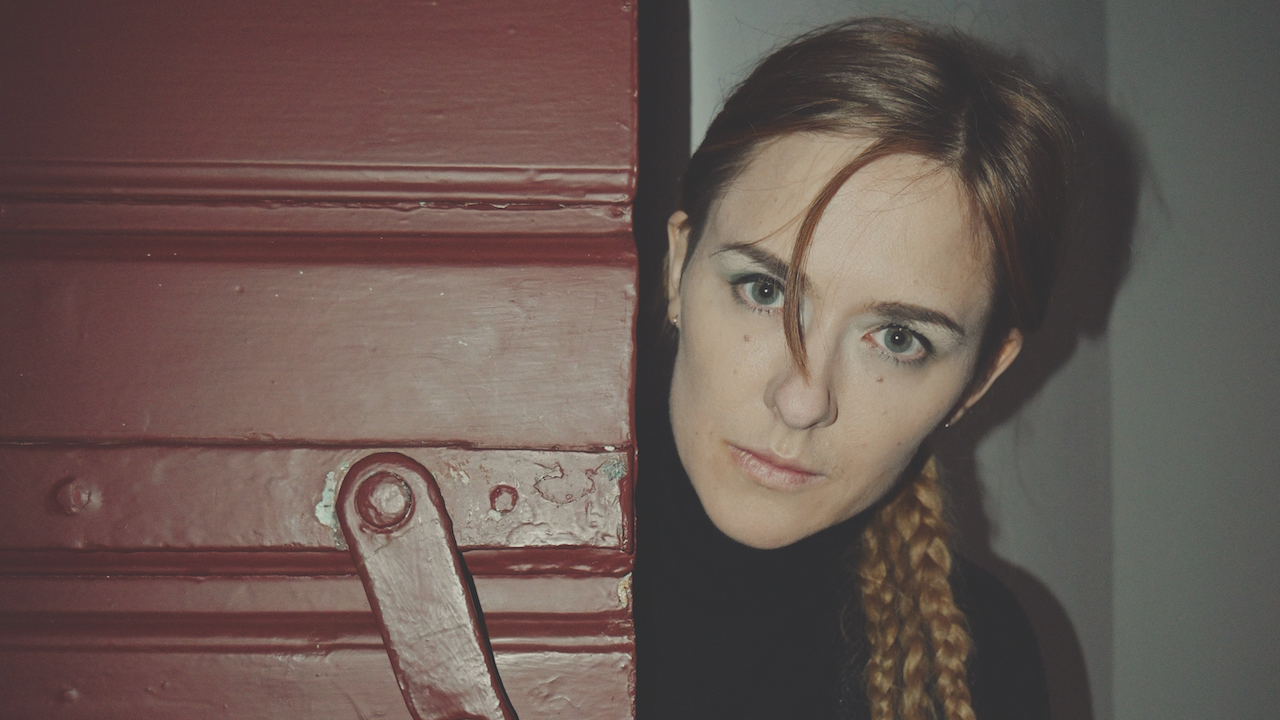
It instilled an omnipresent feeling of being watched via its circular structure. For Swedish composer, artist and electronic innovator Maria W Horn, the prison – now abandoned – was an intriguing prospect.