
Get all your news in one place.
100’s of premium titles.
One app.
Start reading
Woman & Home
Woman & Home
Lifestyle
Rebecca Fearn

I’m 'addicted' to lip balm – here’s what happened when I went a week without it

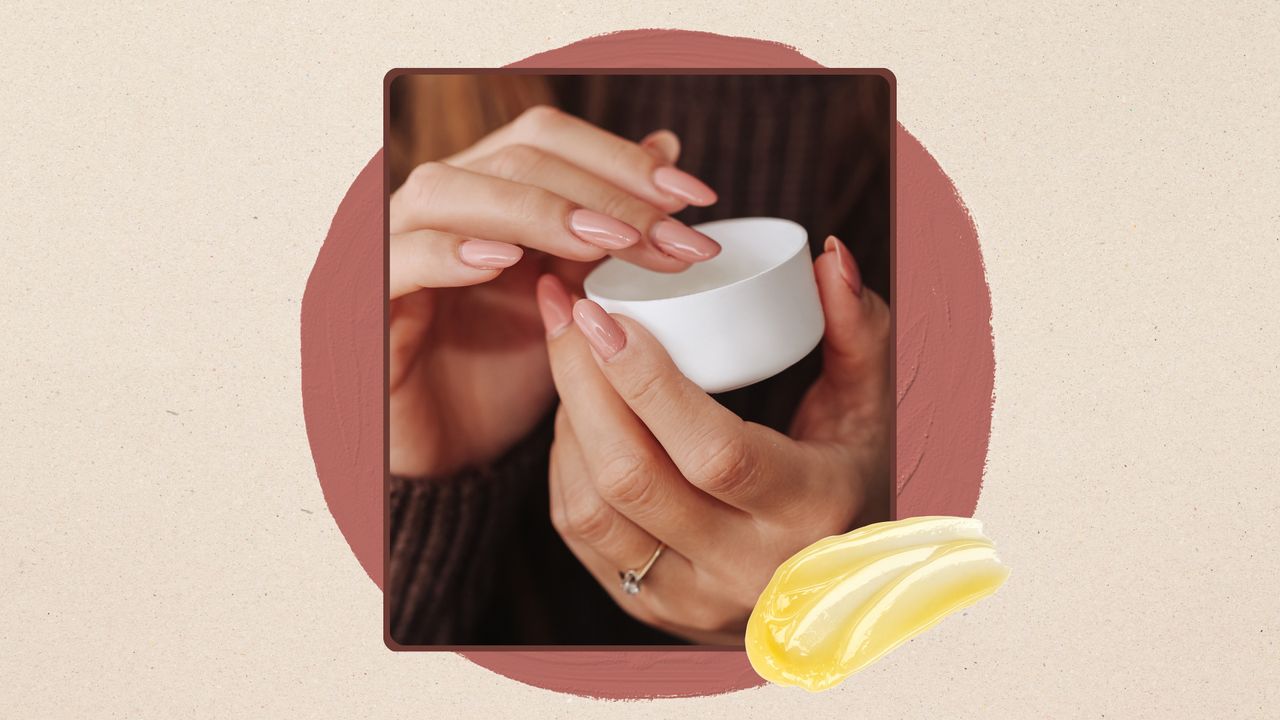
Close up of woman's hands holding and dipping into a pot of lip balm, set in front of a terracotta circle and beige background, with a golden balm swatch in the bottom left corner.

As someone who can't go an hour without re-applying lip balm – and freaks out if she leaves the house without one – I’ve always been fascinated by the age-old debate about this product.

Is it an essential for dry lips, or do even the best lip balms perpetuate dryness in a never-ending cycle? Do we really need it, or is it making the situation worse and creating a reliance on something we don’t actually require?
Well, I underwent a little experiment to discover the truth, forgoing my lip balms to see if my lips could 'recover' on their own. At the same time, I also tweaked some of my lifestyle habits to naturally enhance my lip hydration, taking into account a few top tips by expert skin doctors. Here’s what I learnt throughout the week…

What happened when I went without lip balm for a week

After speaking to some experts, I had a pretty good idea how my week without lip balm would go and was expecting some major dry skin struggles – and in many ways, I was right.

On a practical level, this experiment was difficult because I regularly go into autopilot and apply my product countless times throughout the day. Breaking this habit was a real challenge. And as for my lips, I experienced pretty consistent dryness, even at the end of the week (by which point you may have expected my lips would have gotten used to it). With this in mind, I didn’t find it possible to ease my lips off lip balm.

One thing I realised was how staying hydrated could reduce my usage of lip balm. Instead of reaching for my balm, I’d reach for my water bottle instead. The more I drank, the less my lips felt like they were so dry they were going to fall off my face. With added electrolytes, too (I like the Artah Cellular Hydration packs), it made all the difference.

I did sort of cheat throughout the week; going without balm entirely felt like a punishment I wasn’t sure I deserved, so I limited myself to one use in the morning and one before bed. With my increased hydration levels, this felt more achievable – but I’ll be honest, I definitely missed my hourly applications!

However, I have since changed the formula I use after taking the advice below. Instead of something fragranced, which I liked before, I now reach for a formula like Aquaphor, which keeps my lips hydrated far longer and means less frequent applications.

What causes dry lips?

Many of us can go an entire day without rehydrating the skin on our face (though those with the driest skin types and who love a face mist would probably disagree), so why is the case different for the skin on the lips?

“The skin [on our lips] is much thinner than on the rest of the face and lacks oil glands, meaning it can’t produce its own natural moisturising oils," notes Dr Sonia Khorana, Cosmetic Doctor & Dermatology Expert. This makes the lips far more vulnerable to water loss and environmental damage."

That said, there are plenty of environmental and individual factors that can trigger lip dryness more frequently. “Key contributing factors include cold weather, wind, central heating and air conditioning, all of which dehydrate the skin,” adds Dr Khorana. “Habits such as lip licking can also worsen dryness, as saliva is quite irritating. In addition, certain ingredients, like menthol or fragrance in lip products, can further disrupt the delicate lip barrier.”

Other contributors may include certain medications, over-exfoliating, and underlying conditions like eczema. If you suffer from extreme dryness, it’s definitely advisable to speak to your GP, who may then refer you on to a dermatologist.

Does lip balm actually help dry lips?

As lip balm’s number one fan, I was desperate to speak to the experts to get their honest opinions on whether this product is beneficial to us, or whether it perpetuates dryness in a never-ending cycle of balm reliance.

According to Consultant Dermatologist Dr Sidra Khan, “the idea that lip balm ‘trains’ your lips to need moisture is a myth.” That said, she adds, “some balms can create a cycle of dependency by giving only short-term relief without repairing the barrier. When the balm wears off, dryness quickly returns, prompting constant reapplication – not because your lips are addicted, but because the product isn’t addressing the underlying problem.”

Because of this, the kind of balm you use and how you use it are essential. The experts advise avoiding anything with menthol, fragrance or strong flavouring agents. “These ingredients may give a temporary cooling or soothing sensation, but they can disrupt the barrier, which leads to a cycle of dryness and frequent re-application,” says Dr Khorana.

Instead, she recommends ingredients that are barrier-supporting, such as ceramides, shea butter, squalane, and panthenol. “When the lip barrier is properly protected, the lips don’t need constant reapplication and dryness gradually improves rather than becoming chronic," she concludes.

As for how often you should be using your balm-of-choice, Dr Khorana adds: “Most people only need to apply lip balm a few times a day. If you’re reapplying every 20 minutes, it usually means the formula isn’t giving enough barrier protection or that the lips are already very dry and losing moisture quickly.”

How to keep lips hydrated

Aside from choosing the right lip balm and drinking enough water, there are other ways to keep your lips hydrated. These include avoiding lip licking and smoking, using a humidifier when in an air-conditioned environment, and using sun protection; these days, plenty of lip balms come with built-in SPF.

Dr Khorana also points to the importance of prioritising a healthy diet, full of Omega 3s fish, chia, etc), healthy fats (such as avocados and nuts), and vitamins and minerals – particularly vitamin B, zinc, and iron (you can supplement if needed). And as mentioned, if you continue to suffer, it may be time to pay your doctor a visit for further help and investigation.

Sign up to read this article
Read news from 100’s of titles, curated specifically for you.
Already a member? Sign in here
Related Stories
Top stories on inkl right now
One subscription that gives you access to news from hundreds of sites
Already a member? Sign in here
Our Picks
Fourteen days free
Download the app
One app. One membership.
100+ trusted global sources.