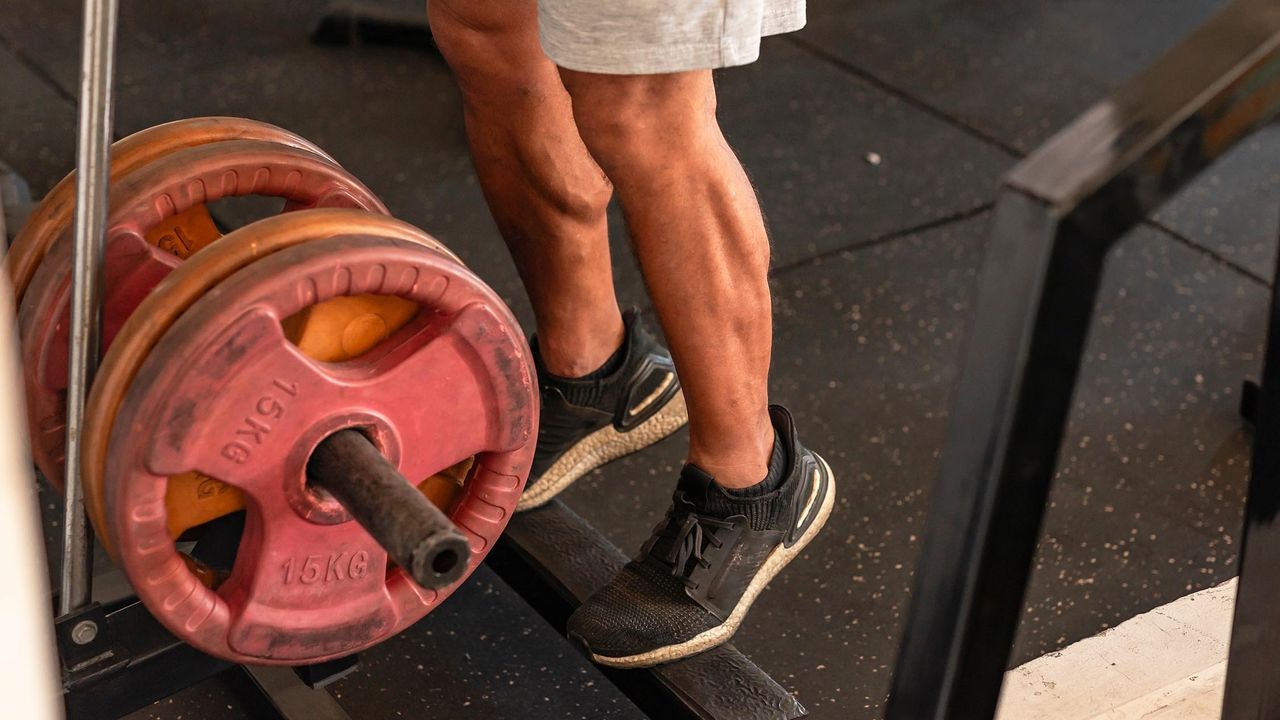
You'll be surprised how many people struggle to do calf raises with control. Can you?
By “control,” I mean lifting into the calf raise for three to four seconds, pausing, then lowering for the same. It takes more balance, stability and control than people think, and more often than not, we’re so focused on pumping out the reps that we forget to slow things down and really feel them.
I challenge you to improve something called your mind-muscle connection by slowing down calf raises the next time you do them — or simply adding the move to your routine if you don’t already. It’s the one exercise I want all my clients to practice daily, especially if they're over the age of 60.
I’m not ageist — some of the fittest, strongest people I know are over the age of 70, and I’ve trained people from all walks of life. However, certain things do happen as you get older; muscle mass and bone density begin to decline, joints get stiffer and mobility can be reduced, increasing the likelihood of losing balance and falling.
As a trainer, one of the best exercises I know for maintaining mobility and strength in the lower body and ankles are calf raises. Here’s why I urge you to give them a try.
What are calf raises?
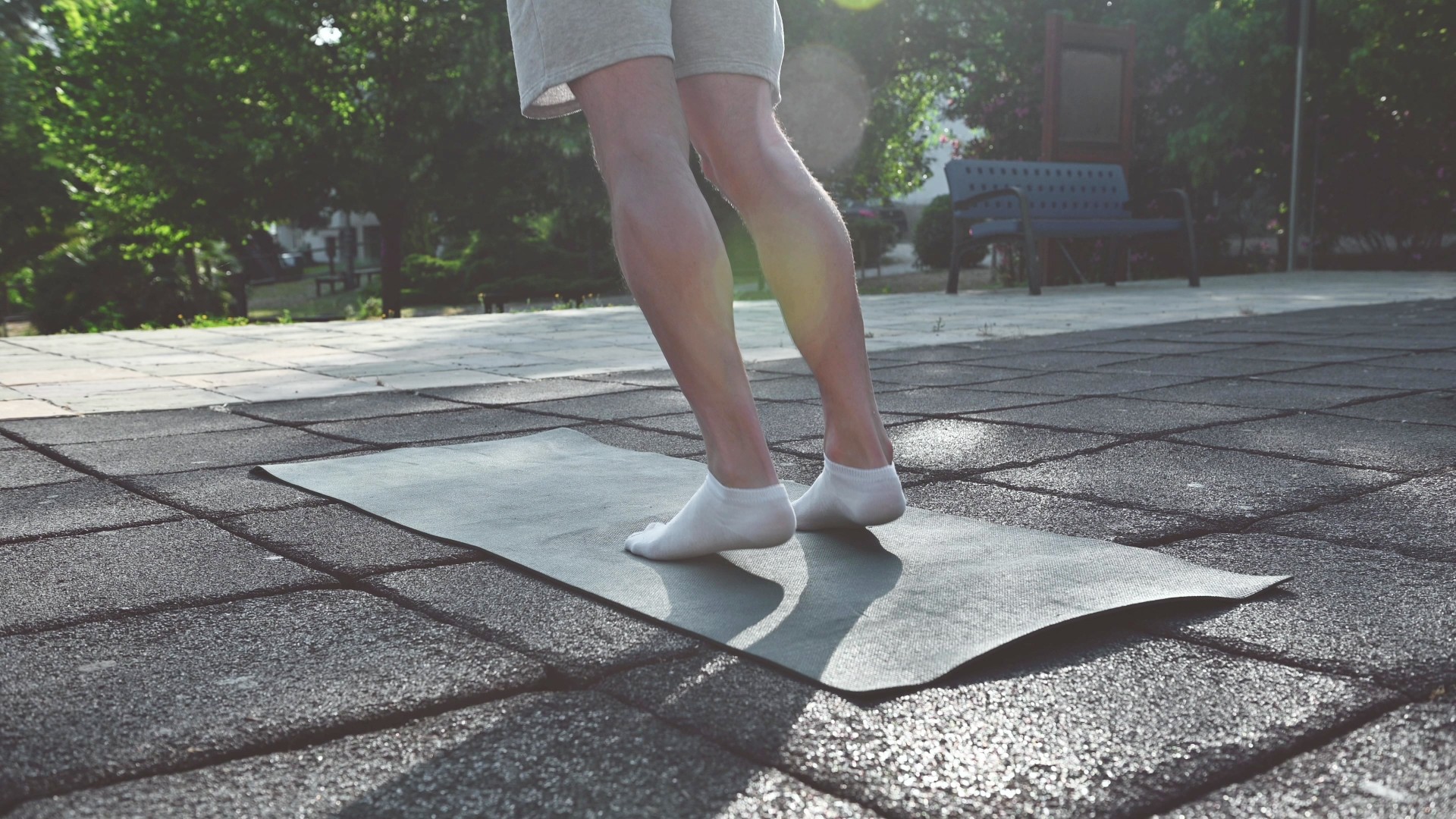
Calf raises involve standing with your feet hip-width apart, either on the ground or on the edge of a step or stair. From here, you’ll stand tall and lift your heels away from the ground, raise onto the balls of your feet, then lower your heels to the ground again. You can do seated calf raises if you find balancing too tough on your feet.
If you choose to perform the exercise standing on the edge of a step, this creates a deficit, allowing you to drop your heels below ground level and stretch out your ankles and Achilles tendons, increasing range of motion.
How to do calf raises
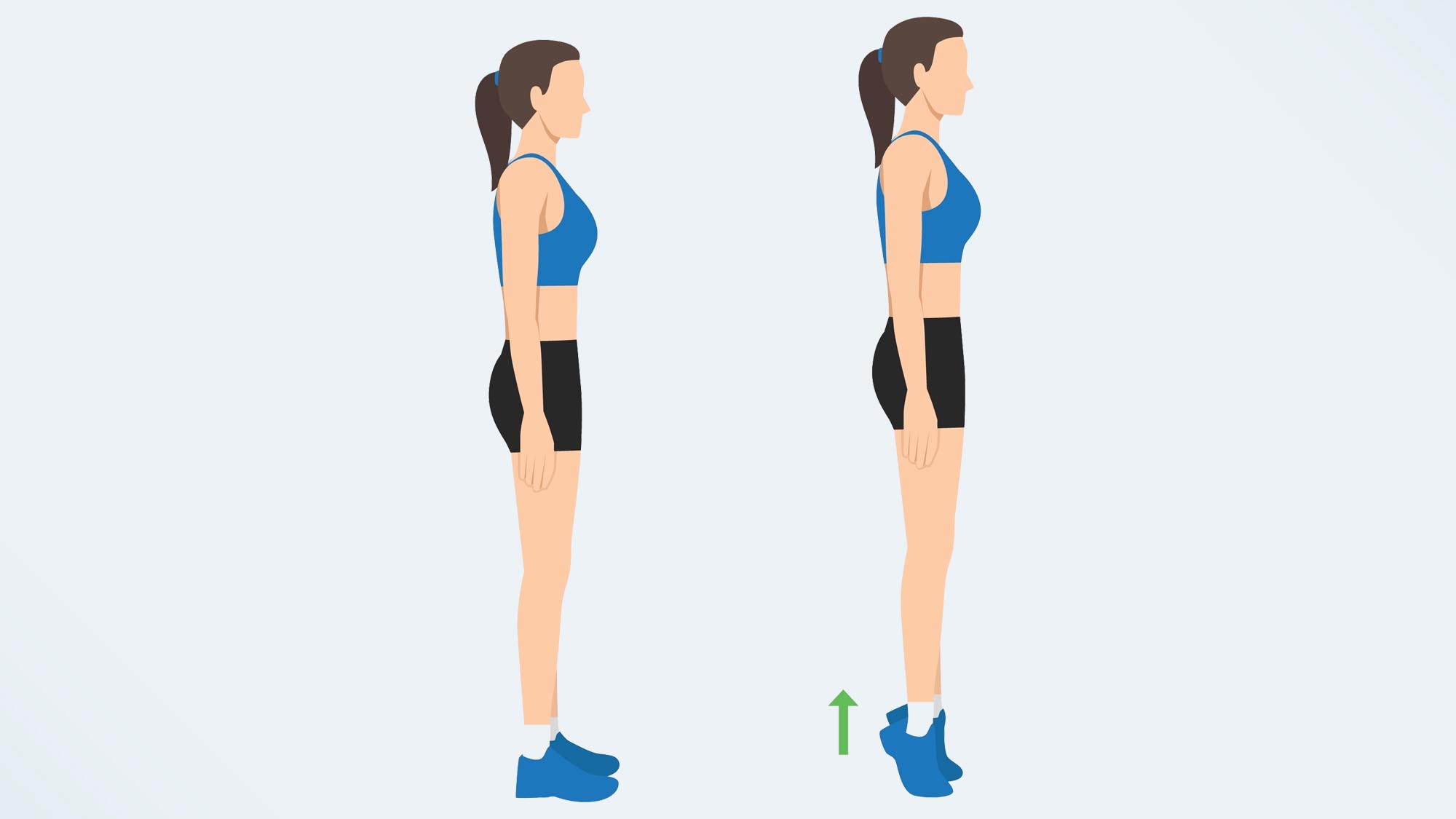
- Stand with your feet hip-width apart
- Maintain a tall posture and engage your core
- Place your hands by your sides, on your hips, or behind your head. You can also hold weights
- Rise onto the balls of your feet with control, counting three to four seconds
- Pause at the top and squeeze your calves
- Slowly lower your heels to the ground again
- If you are opting for deficit calf raises, lower your heels as far as you can while maintaining your balance, then drive upward again
- Continue for 3-4 sets and 6-12 reps.
What are the benefits?
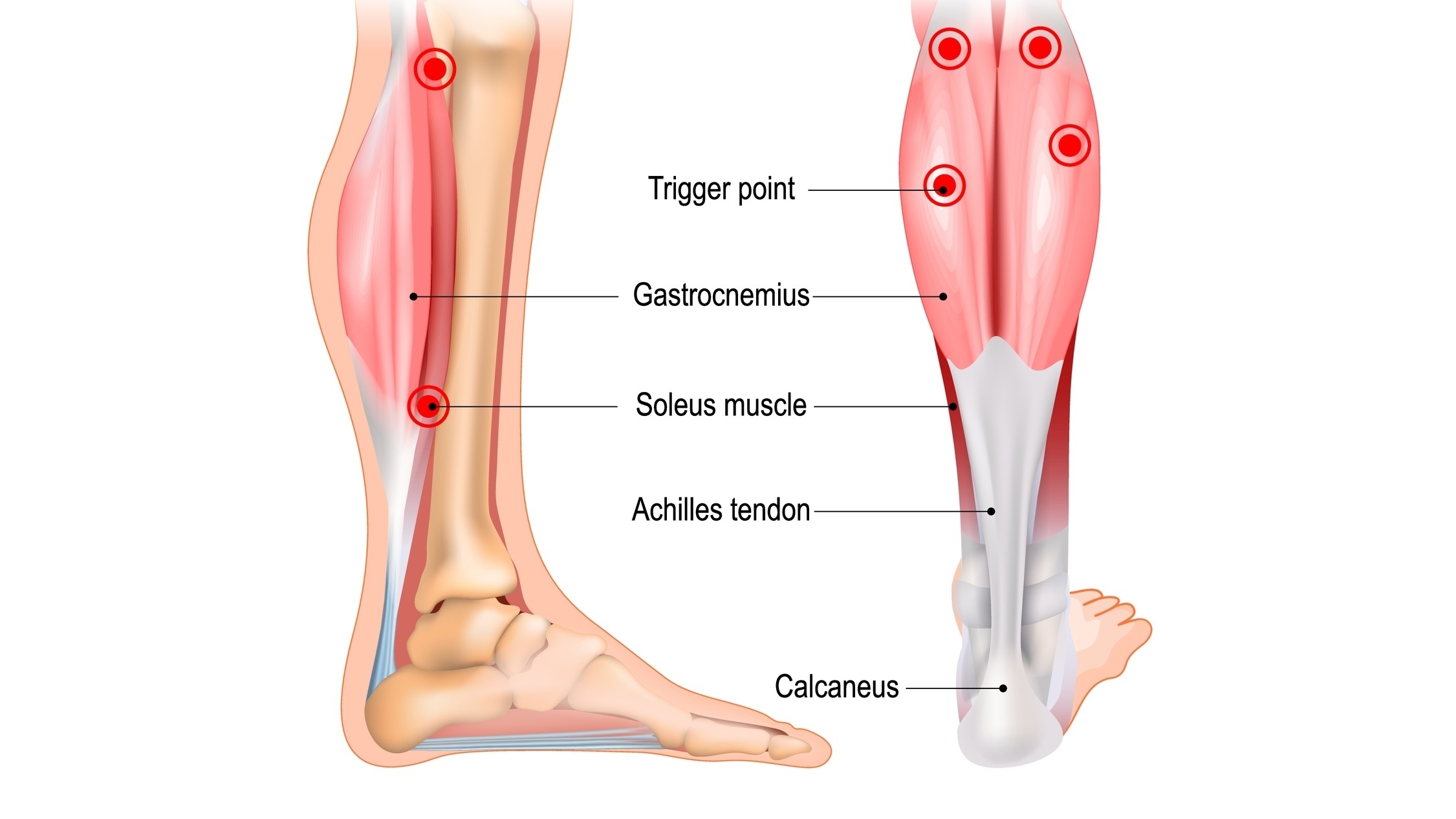
Let’s talk about the gastrocnemius muscles, which are powerful and work when you lift into the air; this mimics the action of pushing the ground away while walking, jumping and running, and helps you propel forward and stay balanced while maintaining posture.
Not only are these large calf muscles important for supporting your knees, ankles and feet, which helps prevent falls, but they’re also essential for runners who must support their load through cadence and explosiveness. Think of these as your power tools.
Then there’s the soleus muscles, which sit deeper beneath the gastrocnemius and help with plantar flexion (pushing down into your toes), which also contributes to your posture so that you don't fall forward.
Calf raises hit both of these muscle groups, strengthening the muscles you need to support your lower-body joints and to move with an efficient gait. When these muscles are weak, tears and strains are more likely, and your gait might also be affected, which can cause injuries elsewhere.
If you find balancing difficult, hold onto something so that you can move with control rather than rush through your reps; this will improve muscle activation and improve the neural pathways between your brain and muscle contractions. As mentioned before, standing on the edge of something so that your heels can drop down stretches the calves and ankles and improves overall range of motion, also increasing the time muscles spend under tension.

Follow Tom's Guide on Google News and add us as a preferred source to get our up-to-date news, analysis, and reviews in your feeds.