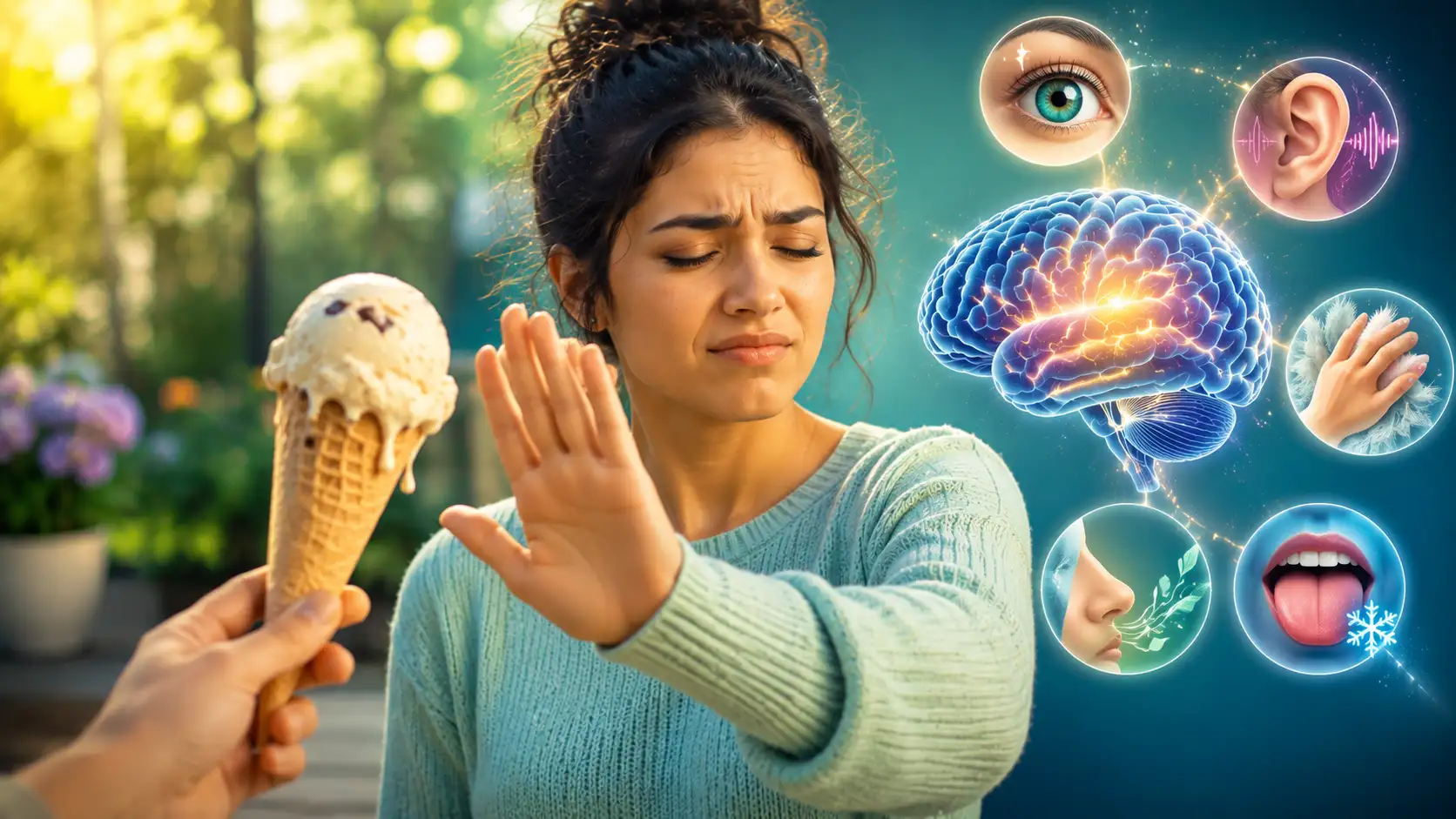
For many people, ice cream is the ultimate comfort food. It's associated with celebrations, summer vacations, birthdays, and childhood memories. Yet not everyone enjoys it. Some people avoid ice cream altogether, even when everyone around them is happily digging into a cone.
Psychology says this doesn't necessarily reveal a specific personality trait. Instead, food preferences are shaped by a combination of sensory processing, learning, emotions, biology, and personal experiences. Researchers have found that people often reject foods not because they're "picky," but because their brains and bodies respond differently to taste, texture, temperature, and past experiences.
They may have higher sensory sensitivity
One of the strongest explanations comes from Sensory Processing Sensitivity (SPS), a concept developed by psychologist Elaine Aron.
People with higher sensory sensitivity often notice textures, temperatures, smells, and flavors more intensely than others. For example, someone may find the extreme cold of ice cream uncomfortable or dislike its creamy texture, even if they enjoy sweet foods.
Their dislike isn't about being difficult, it may simply reflect how their nervous system processes sensory information.
Texture can matter as much as taste
Psychologists studying food texture perception have found that texture strongly influences food preferences. Some people dislike foods that feel overly creamy, sticky, icy, or slippery.
Imagine someone who enjoys chocolate but refuses chocolate ice cream because the cold, melting texture feels unpleasant. The flavor isn't the problem, the sensory experience is. Research consistently shows that texture preferences vary widely among individuals.
Past experiences can shape food preferences
According to Classical Conditioning, developed by Ivan Pavlov, unpleasant experiences can become associated with certain foods.
For instance, someone who became sick after eating ice cream as a child may unconsciously associate it with nausea for years afterward, even if the illness wasn't actually caused by the dessert. The brain remembers emotionally significant experiences remarkably well.
Taste preferences are learned over time
Psychologists and nutrition researchers agree that food preferences are not entirely inborn. Repeated exposure, family eating habits, and cultural traditions all influence what people learn to enjoy.
A child who rarely eats frozen desserts may simply grow up without developing a strong preference for ice cream. Meanwhile, someone raised in a family where ice cream was a regular weekend tradition may associate it with positive emotions. Our food choices often reflect experience as much as biology.
Some people don't seek sweet rewards as often
The brain's reward system influences how enjoyable different foods feel. While many people find sugary foods highly rewarding, others simply experience less motivation to seek them out.
For example, someone may consistently choose fruit, yogurt, or salty snacks instead of ice cream because those foods provide greater satisfaction. Psychology suggests that reward preferences naturally vary between individuals.
Personal identity also influences food choices
According to Self-Determination Theory, people often make food choices that reflect their personal values and identity. Someone focused on athletic performance, health goals, or specific dietary preferences may gradually lose interest in foods they no longer consider part of their routine.
For example, a marathon runner may prefer frozen fruit smoothies over traditional ice cream, not because they dislike desserts, but because those choices better match their lifestyle. Food preferences often become part of personal identity over time.
Disliking ice cream doesn't make someone unusual
Because ice cream is so popular, people sometimes assume anyone who dislikes it is "strange." Psychology says that's an example of false consensus bias, our tendency to assume our own preferences are shared by most other people.
FAQs
Is it unusual to dislike ice cream?
No. Although ice cream is widely enjoyed, many people naturally dislike its taste, texture, or temperature.
Why do some people dislike cold foods?
Some individuals have greater sensory sensitivity and find very cold temperatures physically uncomfortable.