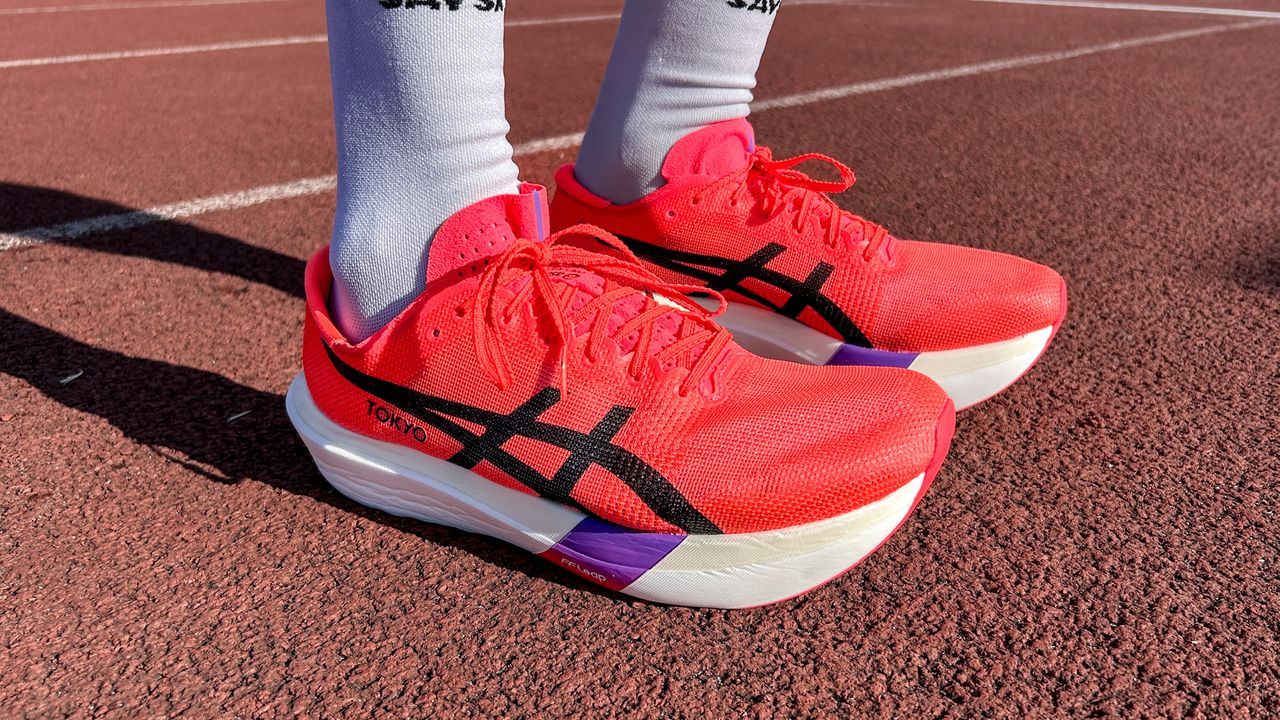
The best running shoes don’t come cheap, so when you first hear about the idea of a running shoe rotation, you might immediately disregard it as too expensive an option.
However, there are several benefits to using two or more shoes in rotation if you’re a regular runner, and one of them is actually that it can boost the durability of your sneakers, saving you money in the long term.
I’m a marathoner and usually run somewhere between 50 and 70 miles a week, and I definitely find there are a lot of benefits to having three or four different shoes in rotation, but even if you run less, or a lot more, than me, there are some reasons to consider using at least a couple of shoes at a time.
What is a running shoe rotation?
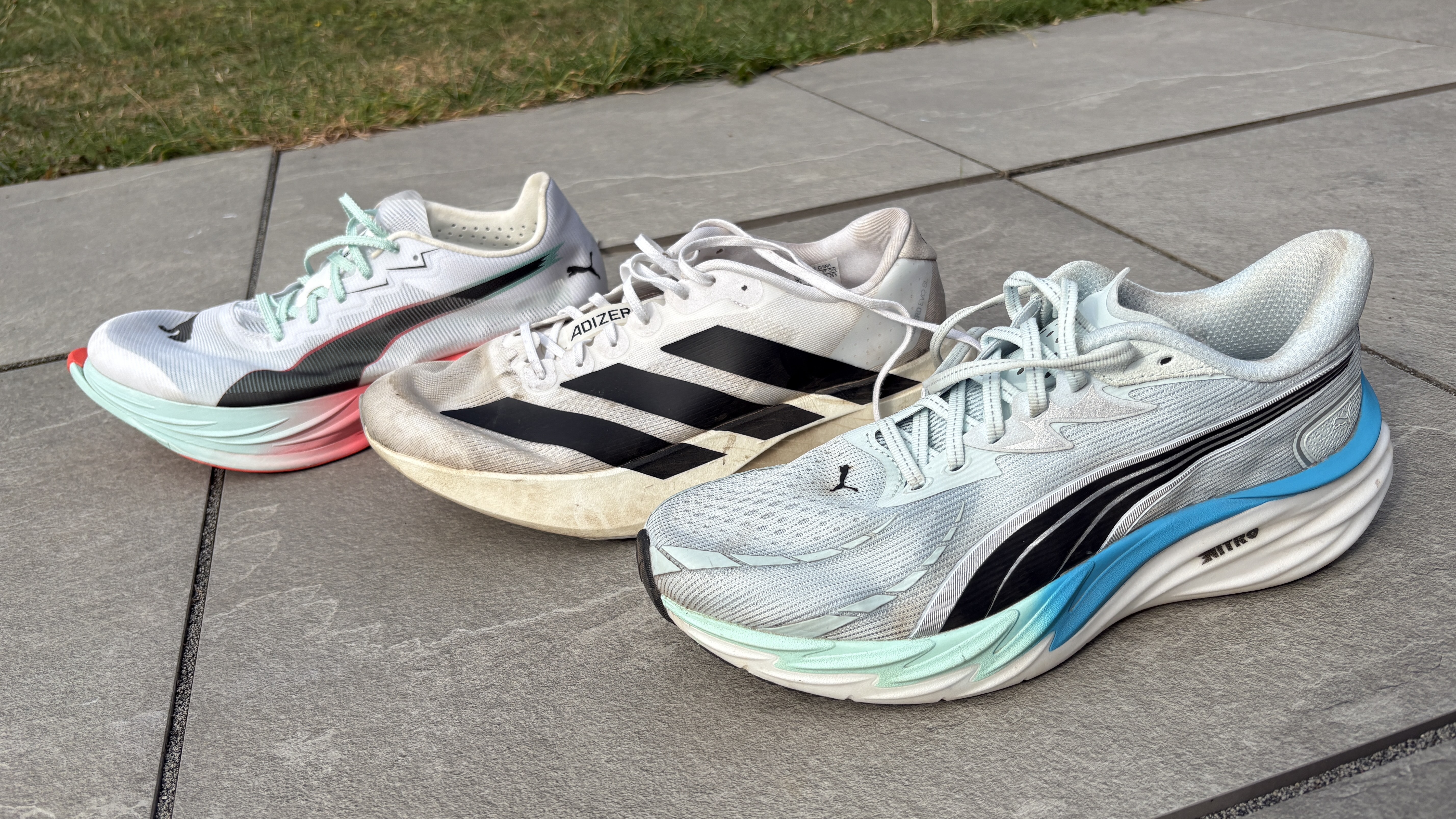
A running shoe rotation is a combination of different sneakers that you use for your runs at the same time. This could be a couple of similar shoes that you alternate between, or more commonly, it’s a mix of running shoe types to suit different runs — a lightweight, fast shoe for workouts and a cushioned shoe for easy runs, for example.
Running shoe rotations can and often will look very different depending on the kind of runner you are — you might need a trail-running shoe in there, or a set of track spikes — but the general idea is that you avoid using the same shoe for all your runs.
Do you need a running shoe rotation?

When you’re first starting with running, I don’t think you need a running shoe rotation. I’d get a comfortable, durable daily trainer like the Nike Vomero Plus and do all your runs in those, assuming you’re running two or three times a week or running for fitness, rather than chasing times.
At some point, however, the benefits of a shoe rotation will make it worth considering getting another pair of shoes, or a couple more. If you start running most days or follow a structured training plan with different types of runs like intervals and easy runs, then a rotation could well be worth investigating.
What are the benefits of a running shoe rotation?

There are three main benefits to a running shoe rotation, in my opinion. The first and most important one for me is that you have shoes that suit different types of runs.
In a normal training week, I will usually do three or four easy runs, a couple of faster workouts, and a long run. I use a cushioned shoe to get the most comfort and protection on my easy runs, and a faster, lightweight shoe for workouts. For long runs, I can go either way, depending on how fast I plan to run them.
Having the right kind of shoes makes these runs more enjoyable and also makes it easier to hit my targets in fast workouts, where a heavy cushioned shoe doesn’t perform as well as a dedicated speed shoe.
The next benefit is that rotating your running shoes helps them last longer, especially if you’re running most days. For one, giving your shoes a break after use allows them to dry out (this will help avoid unpleasant odors building up).
A break also allows the soft foams in the midsole of the shoes to fully bounce back after compressing during your run. This isn’t so important with modern foams in my experience, but it does ensure your shoes will feel as springy as possible when you next step into them, and can extend the lifespan of the midsole.

Finally, if you pick different types of running shoes, it changes the impact of running on your body a little, which could help with injury-prevention.
For example, if you have a shoe with a high heel-to-toe offset of around 10mm, plus a shoe with a 4mm offset in rotation, your biomechanics will be different when you run in each shoe. This can help reduce the risk of repetitive strain injuries, which are common in runners.
The same is true with different levels and types of cushioning, and even having a mix of brands in your rotation can change the way you move on the run.
How many running shoes do you need?
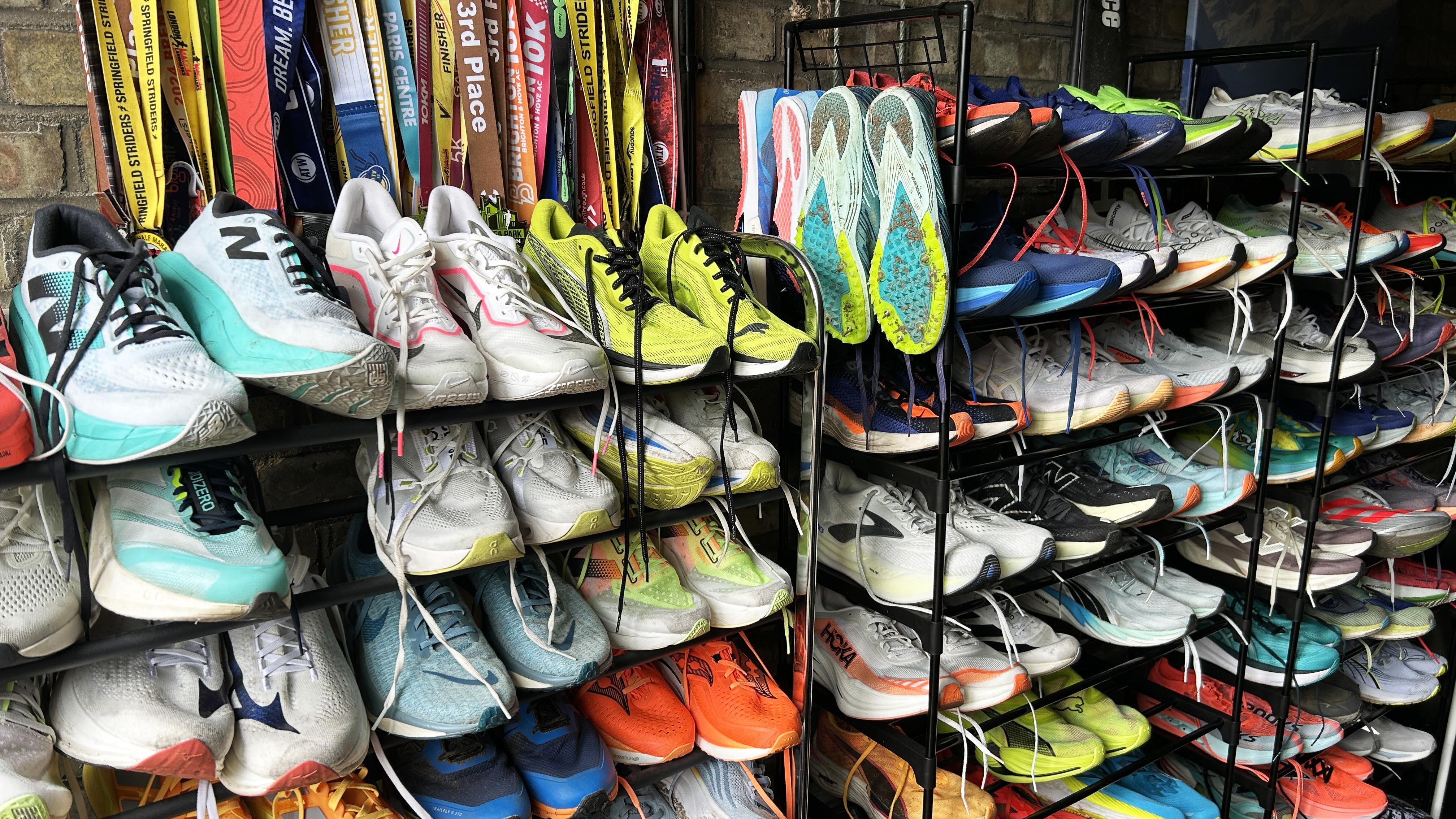
If you get as obsessed with running as I am, you’ll end up with all sorts of niche shoes appearing in your rotation, but you don’t need to get that many to enjoy the benefits.
The classic rotation I would get for myself is three shoes — one cushioned daily trainer for easy runs, one faster trainer for workouts, and then a dedicated racing shoe, which these days is most commonly one of the best carbon plate running shoes.
You could easily drop the racer and use your speed shoe for races, using a simple two-shoe rotation instead — one light and fast, one cushioned and comfortable.
Beyond that, you might want to consider a trail-running shoe if you regularly head off-road for your runs, or at least a road-to-trail shoe that can handle a mix of surfaces well.
Use your rotation wisely, and all of the shoes will last a long time. It won’t cost you any more than buying one shoe at a time and having to retire it and buy another. A rotation could well extend the lifespan of your shoes and save you money, even if the initial investment is high.

Follow Tom's Guide on Google News and add us as a preferred source to get our up-to-date news, analysis, and reviews in your feeds.