
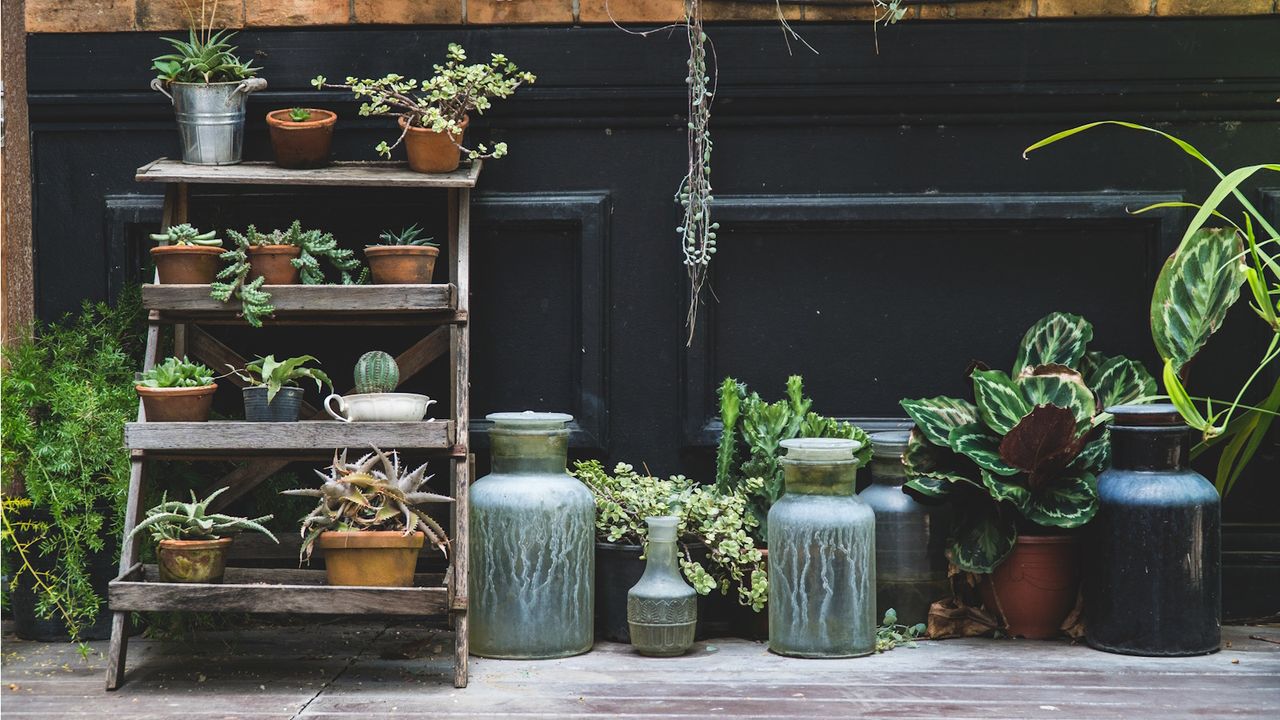
Despite having more plants in my house than I can count, I have struggled with them over winter in recent years. What with fluctuating temperatures from the central heating, lower natural light levels and overwatering to compensate, I've ended up losing a few usually healthy plants to root rot.
However, a fellow gardener recently tipped me off about a natural product I can add to my houseplant soil and takes the effort out of caring for them in winter: lava rock.
Lava rock is naturally porous and full of air pockets. Adding it to your indoor plant soil will improve drainage and air flow around the roots, helping to put an end to all my overwatering woes. Here, I explore all its amazing benefits and exactly how to use it.
What is lava rock?
Lava rock is a naturally occurring, porous volcanic stone formed when molten lava cools and solidifies quickly. As the lava cools, gases escape and leave behind tiny holes and air pockets, which give the rock its lightweight, rough, and sponge-like texture.
There are two main types you’ll see used in gardening: scoria is usually red or black, highly porous, and lightweight. Pumice is lighter in colour, even airier and softer.
Both types are prized in horticulture because their structure improves drainage, boosts airflow around roots, and helps prevent soil compaction. They also don’t break down over time, making them a long-lasting, low-maintenance way to keep potting mixes open, airy, and healthy.
Why lava rock is great for houseplants
Lava rock seems like a very humble material, but it can do a lot for your indoor plants.
Not only does it improve soil drainage, but because it is porous it allows oxygen to circulate around roots and help to prevent root rot.
Lava rock is much lighter than typical gravel or pebbles, so it’s easier to work with while still providing structure in pots. And, unlike wood or bark, lava rock doesn’t decompose. This is good news for your long-term soil structure. It means consistent drainage, and hopefully less maintenance and effort over time.
It can also help to regulate temperature in winter, as lava rock absorbs heat during the day and slowly releases it at night, keeping roots a bit more insulated.
Shop lava rock
Plants that do best with lava rock
Succulents, such as echeveria, aloe, haworthia, and agave love gritty potting soil and really good drainage, so they will adore some lava rock mixed into their pots.
If you're growing any Mediterranean herbs indoors, such as rosemary and thyme, they naturally thrive in dry climates and arid soil, and will enjoy the addition of lava rock.
As will indoor plants prone to root rot, such as ZZ plants, snake plants, monstera, and philodendron.
Bonsai tree potting mixtures also often include lava rock because of the drainage and aeration it provides.
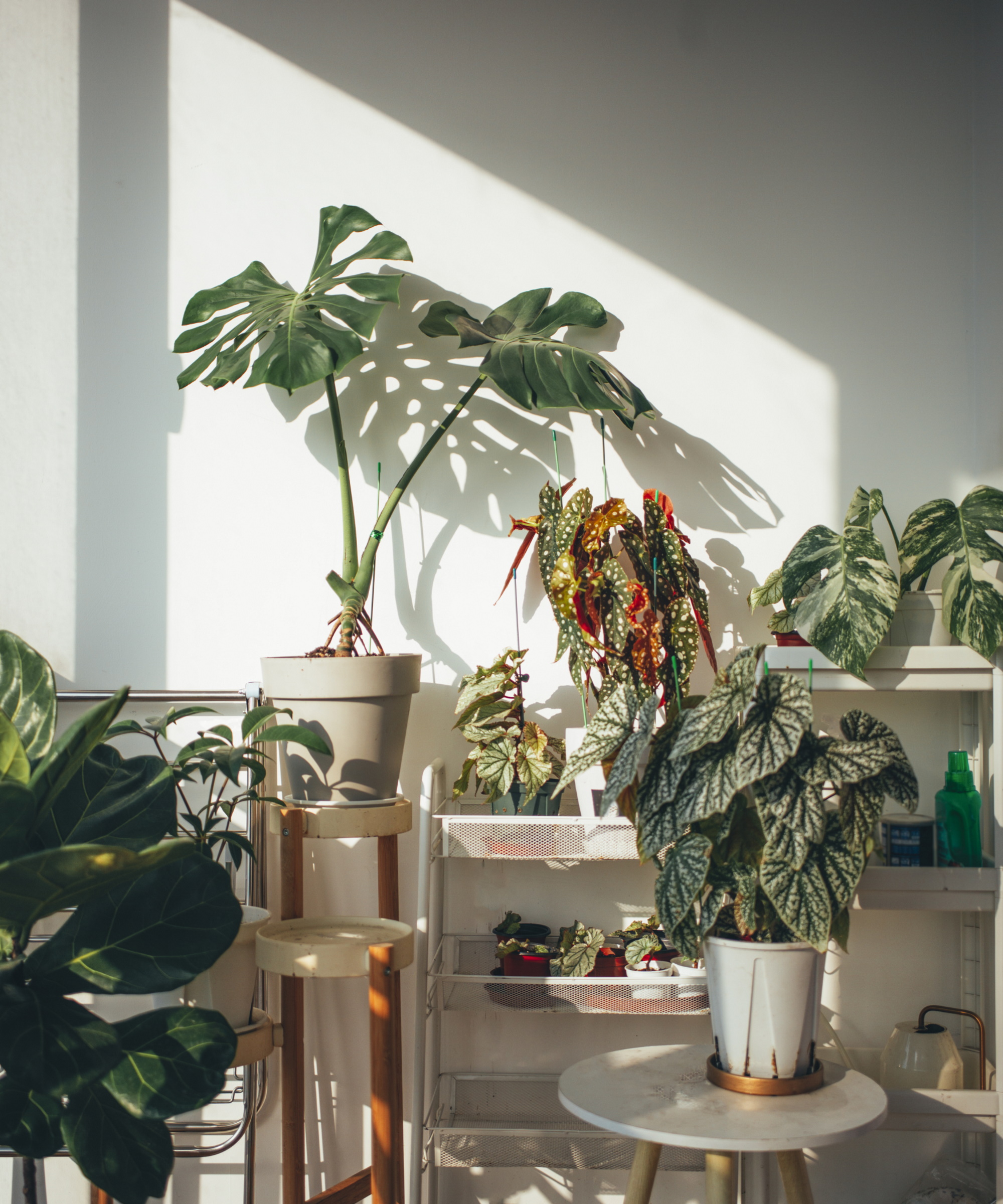
There are a few instances where it would be less advisable to use lava rock: On plants that prefer more moisture, such as ferns, calatheas, and begonias. And on species with very fine roots.
How to use lava rock on indoor plants
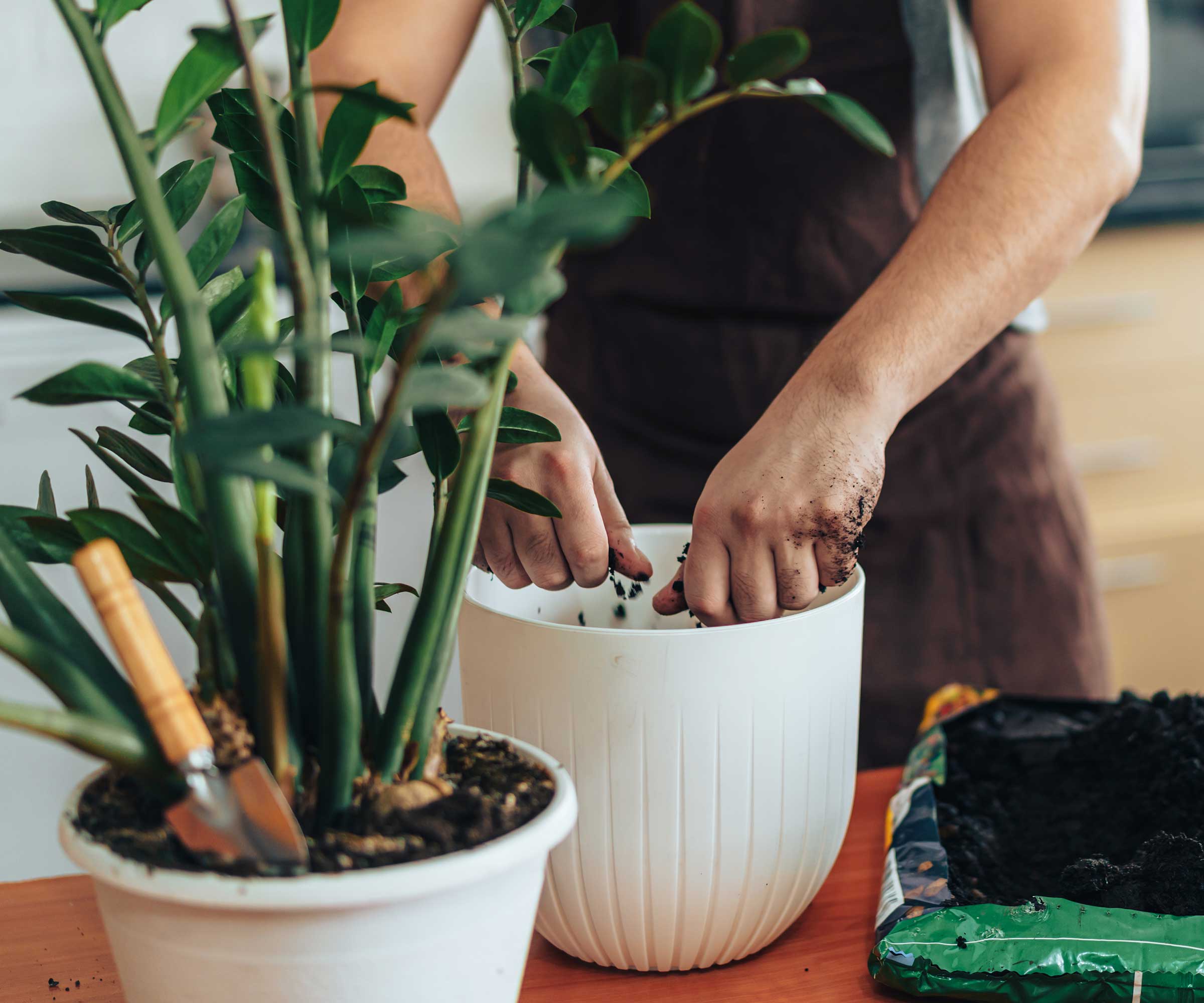
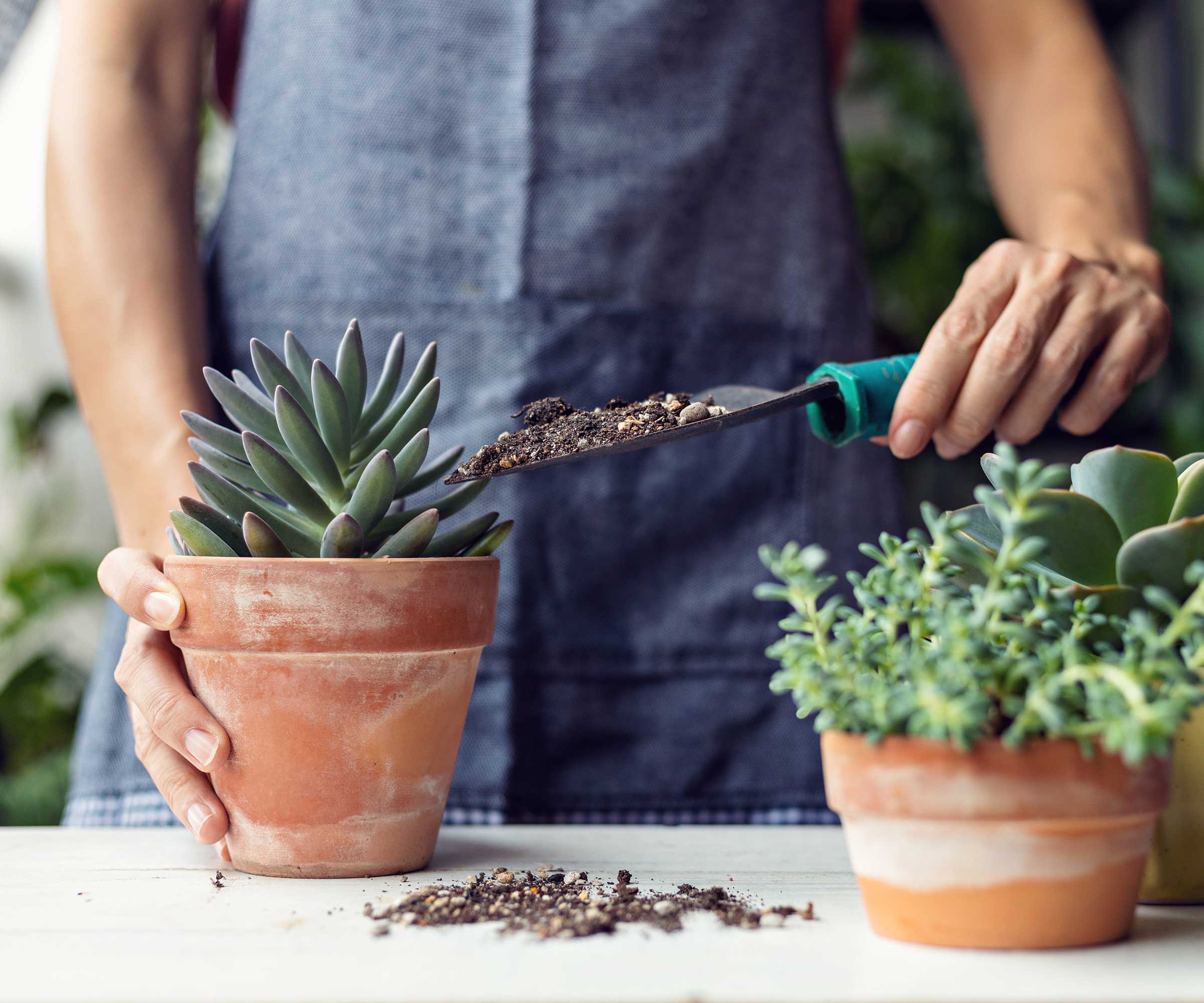
Mixing lava rock directly into your potting mix is one of the simplest ways to improve drainage. A blend of around 10–30% of lava rock to soil works well for most houseplants.
Alternatively, you can add a layer of lava rock to the base of containers can help prevent soggy soil and reduce the risk of overwatering.
The stones create a small reservoir for excess water to settle away from the roots while still allowing airflow within the pot.
This is particularly useful for plants kept in decorative cachepots without drainage holes, or for larger indoor planters where soil can easily become waterlogged.
Adding a layer of lava rock on the soil surface as a top dressing is also an option. It does more than just look smart and modern. It helps reduce moisture loss from the top of the pot, keeps pests at bay by making it harder for them to lay eggs.
You can also use lava rock to create a humidity tray for your plants, just like this one from Amazon. Used in a shallow tray filled with water, lava rock creates a raised platform that increases ambient moisture around humidity-loving plants without leaving their roots sitting directly in water. As the water evaporates, it gently boosts humidity in the surrounding area.
Now that I'm using lava rock in my potting soil, I've taken the stress out of my plant watering schedule this winter. Alas, this will undoubtedly mean I can invest in more of the best winter houseplants to add to my collection!
Shop our houseplant winter care edit
This gorgeous glass watering can is the perfect size for watering houseplants, and would work just as well as a decorative vignette when not in use.
These floristry scissors are very similar to the ones I use every day. The ergonomic grip means no strain on my hand or wrist, and they are incredibly sharp.
Keep your clothes clean by wearing this beautiful garden apron when repotting houseplants. It also has pockets to carry tools with ease.
These bonsai pruning scissors are made in Japan. They are specially designed to prune and maintain bonsai trees, however, you can also use them for little pruning jobs on your houseplants.