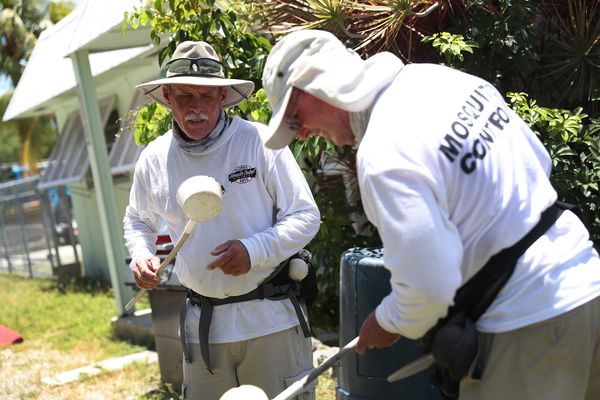

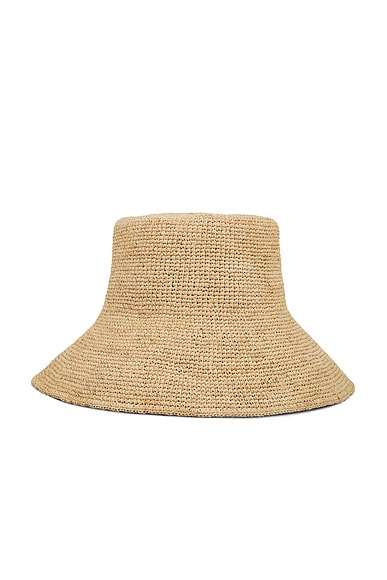
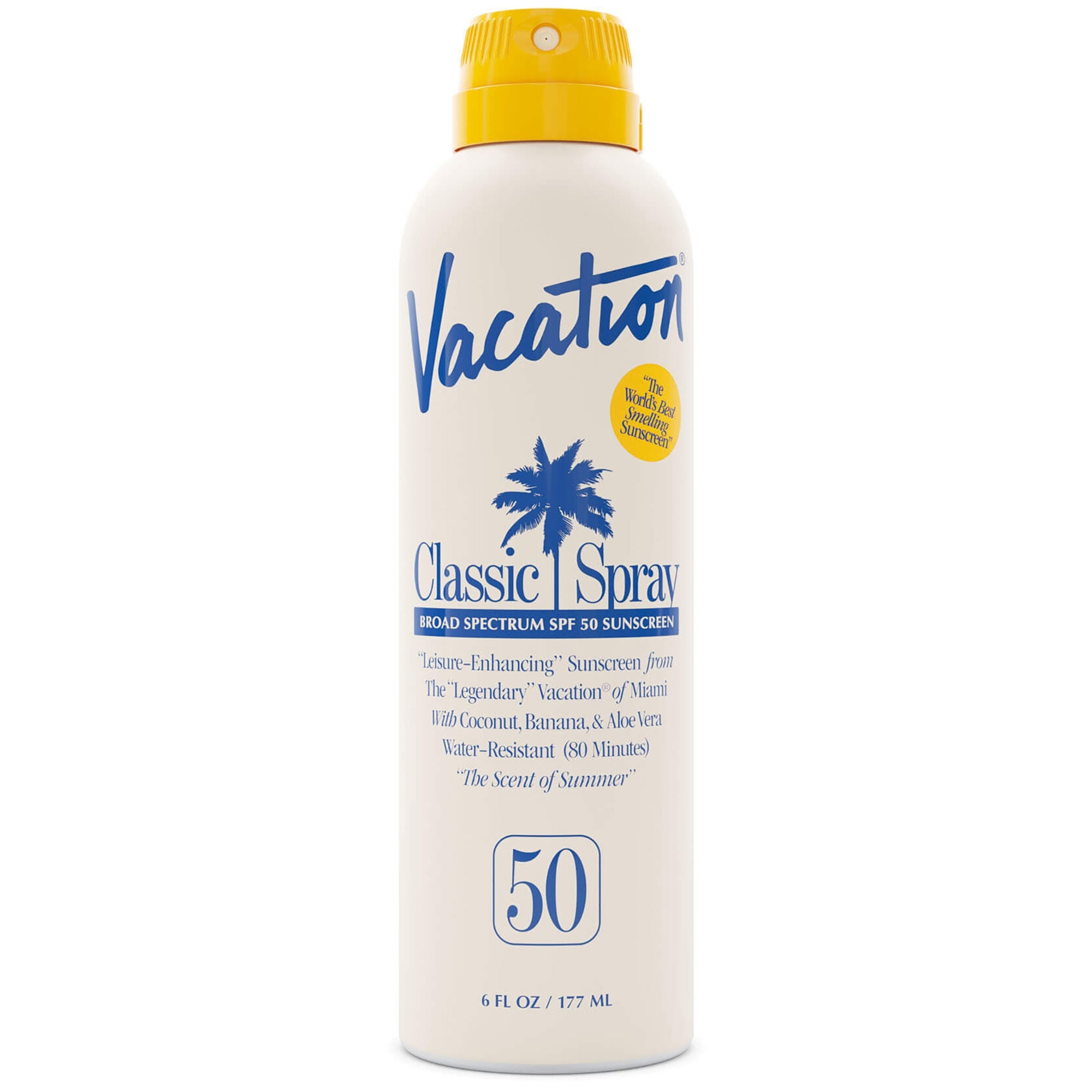
I pride myself on being psychotic about sunscreen. Like any good beauty editor, I apply an ungodly amount of SPF 50 cream (no sprays on first application!) before going to the beach. I make sure to put SPF powder on my scalp, SPF lip balm on my lips, and wear the most obnoxious wide-brimmed hat you can imagine. But this past weekend, I made the regrettable mistake of forgetting to reapply (big yikes) and retired back to the house at 4 p.m. with quite a nasty (and very blotchy) sunburn. It’s certainly not my finest moment as a beauty editor, but I was quick to go to Any Means Necessary to prevent peeling and blistering.
While I’d never endorse getting a sunburn—tan-maxxers can pipe down, please and thanks—there are a few easy-peasy steps you can take to speed up the healing process and calm down painful, itchy, inflamed patches of skin. The most important is staying out of the sun, and the most obvious is grabbing some aloe vera gel, but the most impactful quick fixes are honestly things I never would have thought of without a heads-up from my dermatologist. To get the inside scoop on their tips for how to heal a sunburn, keep reading.
Try to Avoid Getting a Sunburn in the First Place
“Even if you are doing everything right, spending an entire day outdoors can eventually catch up with you. The goal is to dramatically reduce your UV exposure—start with a broad-spectrum sunscreen that is at least SPF 30,” says board-certified dermatologist and founder of Soho Skin and Hair Robert Finney, MD. “As a general rule, use the two-finger method on your face and about a shot glass, or one ounce, to cover your body.”
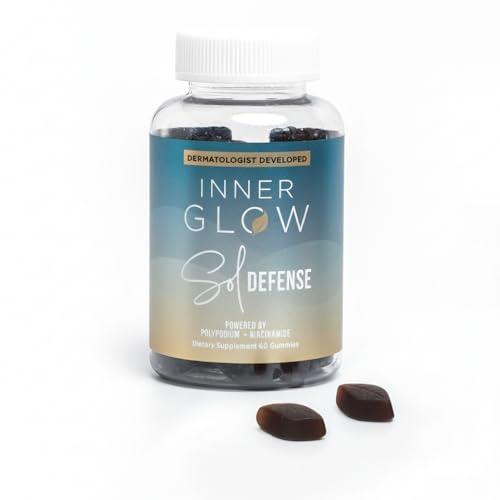
Reapplication is most people’s downfall. Set a two-hour timer and lather up again—head to toe. If you’ve been swimming, sweating, or towel drying? Apply sooner. If you’re the type to burn easily or deal with hyperpigmentation, you may even want to consider taking an oral supplement containing Polypodium leucotomos, says Dr. Finney. “There is good evidence that it can reduce UV-induced skin damage and lower the likelihood of burning. It is an adjunct to sunscreen, not a replacement,” he adds. And if you really want to take things up a notch, grab some UPV clothing.
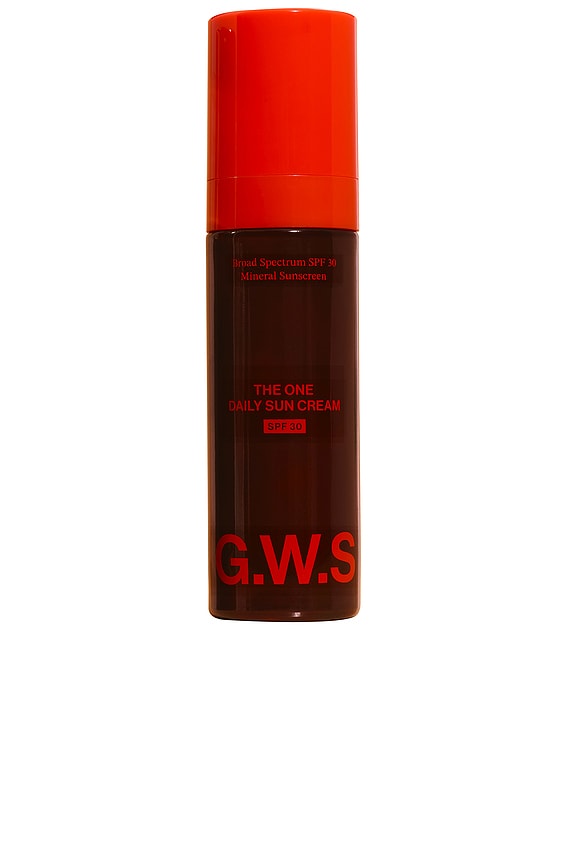
Take a Cold Shower
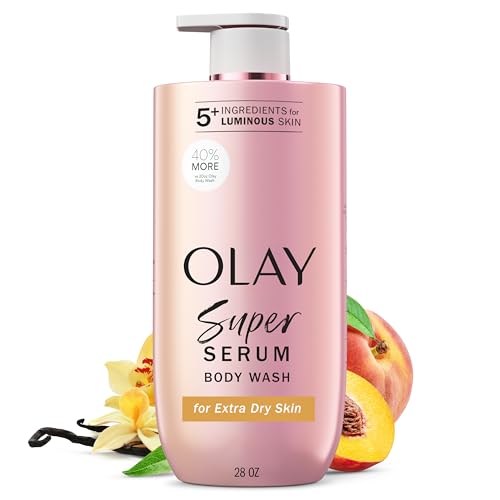
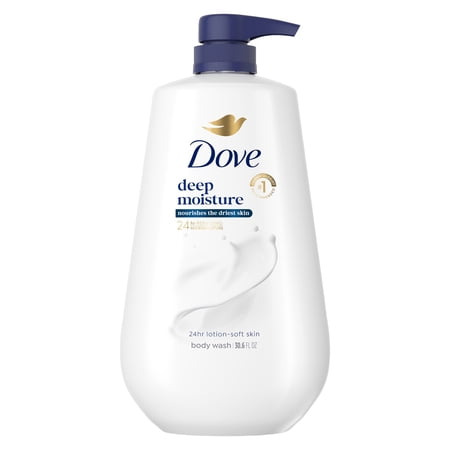
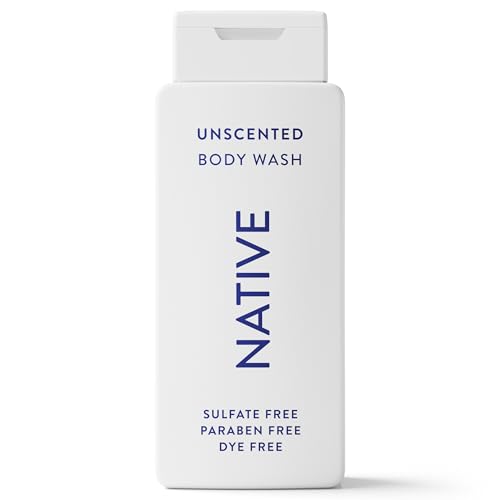
It might burn on contact, but a cold shower will work wonders to take some of the heat out of your skin. “Hot water can worsen inflammation and further dry out the skin. You don’t need to shower more than once a day unless you are sweaty or dirty, and avoid scrubbing,” says Dr. Finney. He recommends using a gentle cleanser only where needed, too—don’t rub over peeling skin.
Take Some NSAIDs or Ibuprofen
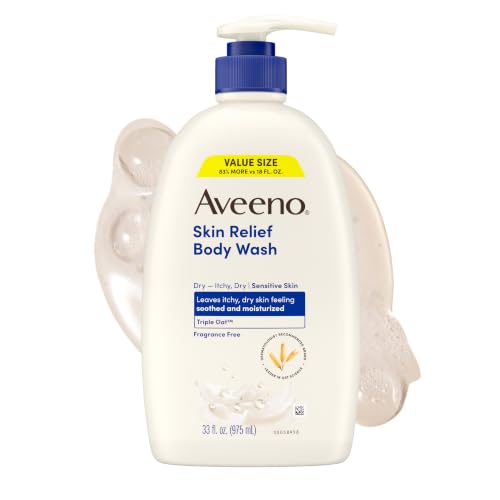
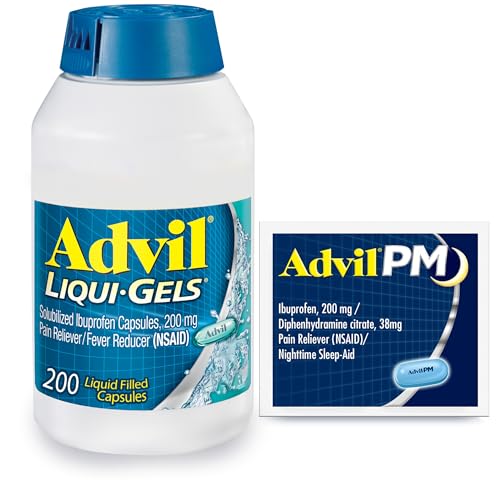
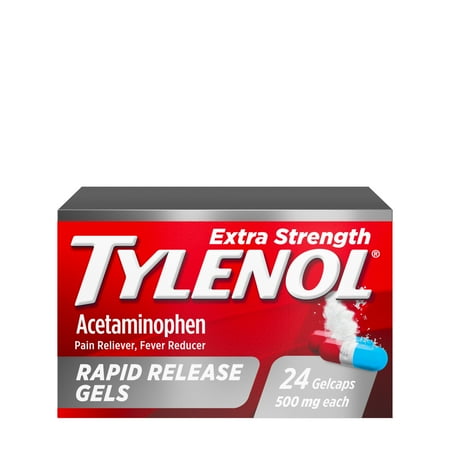
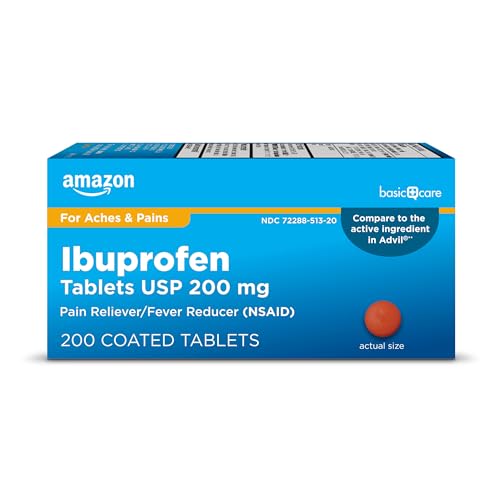
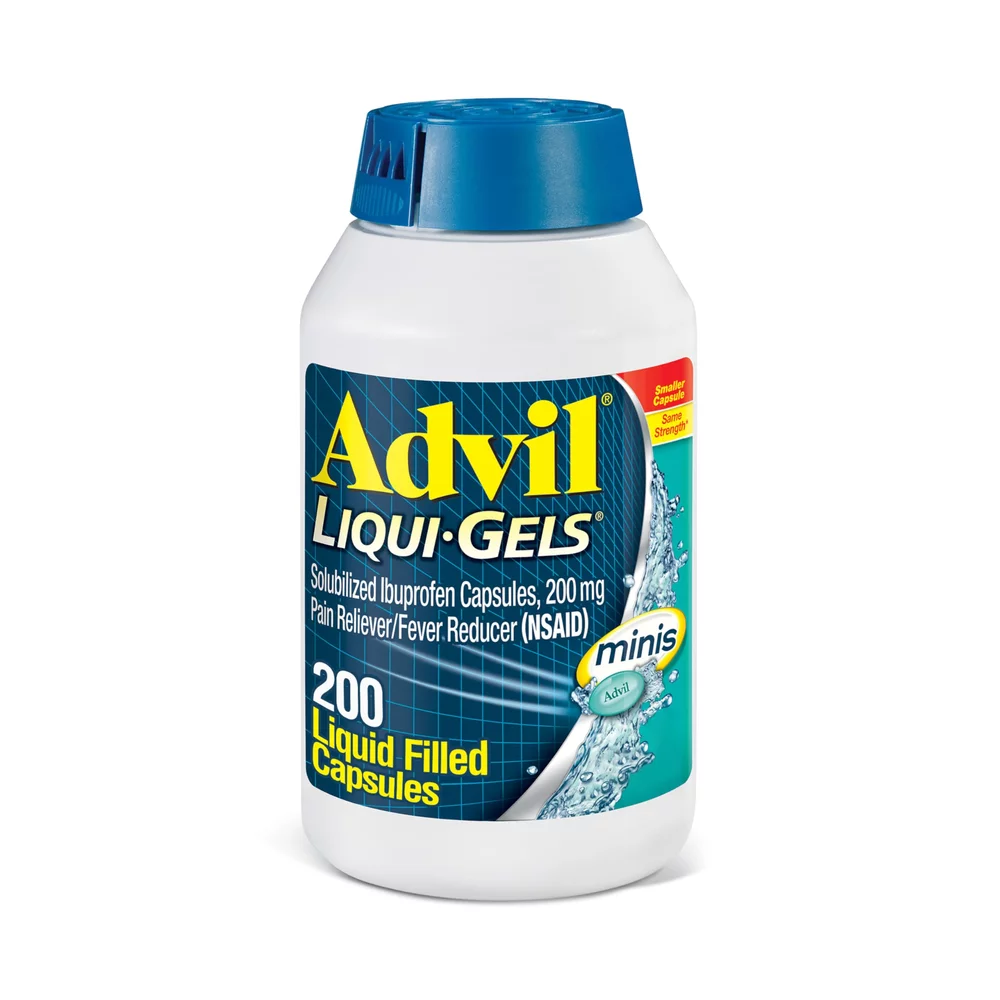
It can take up to three days for a sunburn to fully develop, so minimizing inflammation at the jump is key to minimizing its intensity. Within the first 24 hours, try taking two Advil or Aleve, and repeat every six hours as needed. It’s not going to make your sunburn disappear like it would a headache, but it will certainly help. “They reduce not only pain, but also inflammation. Studies have shown that prompt administration—even a single 600 to 800 mg dose can significantly reduce redness, swelling, and discomfort,” says Dr. Finney.
Go Heavy on the Moisturizer
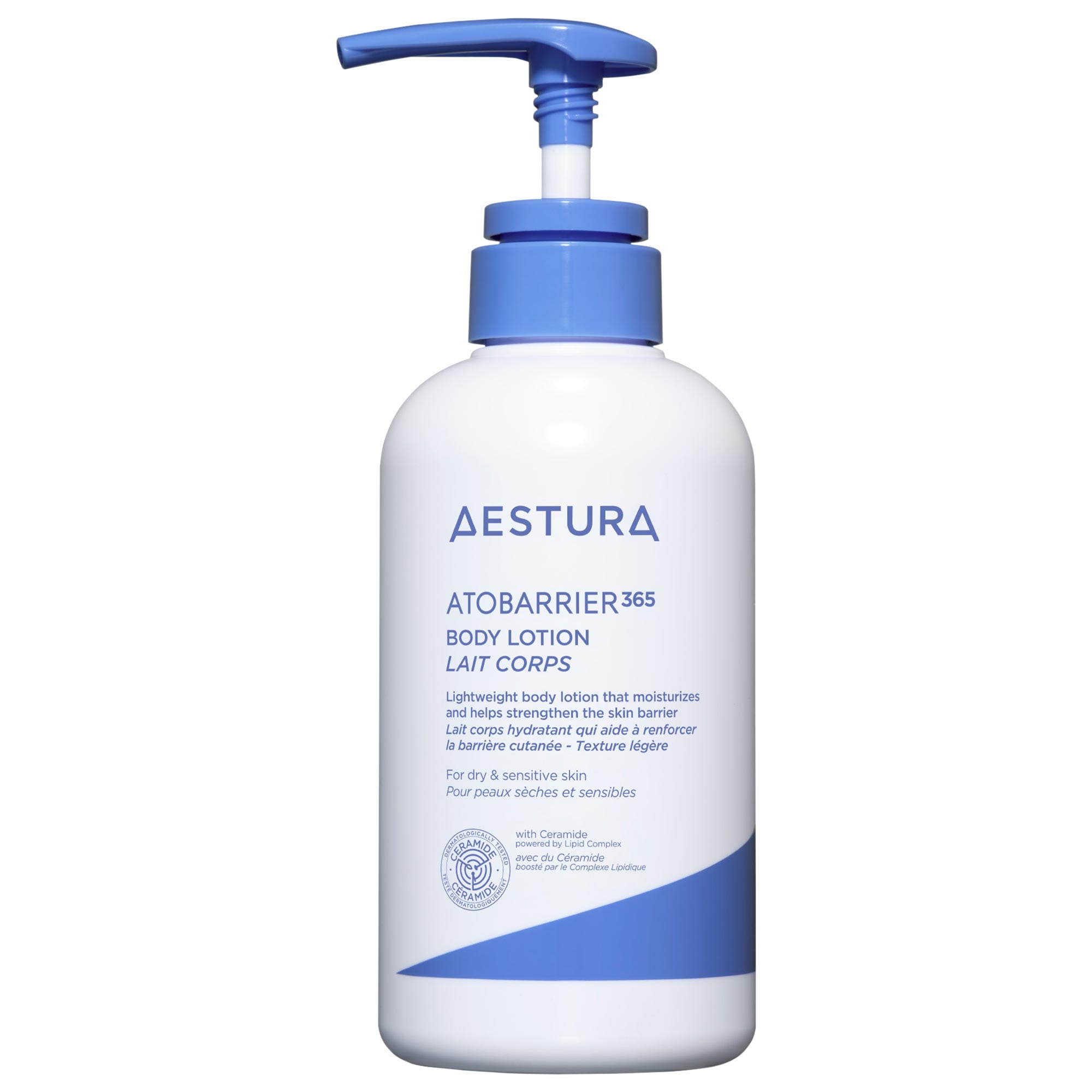
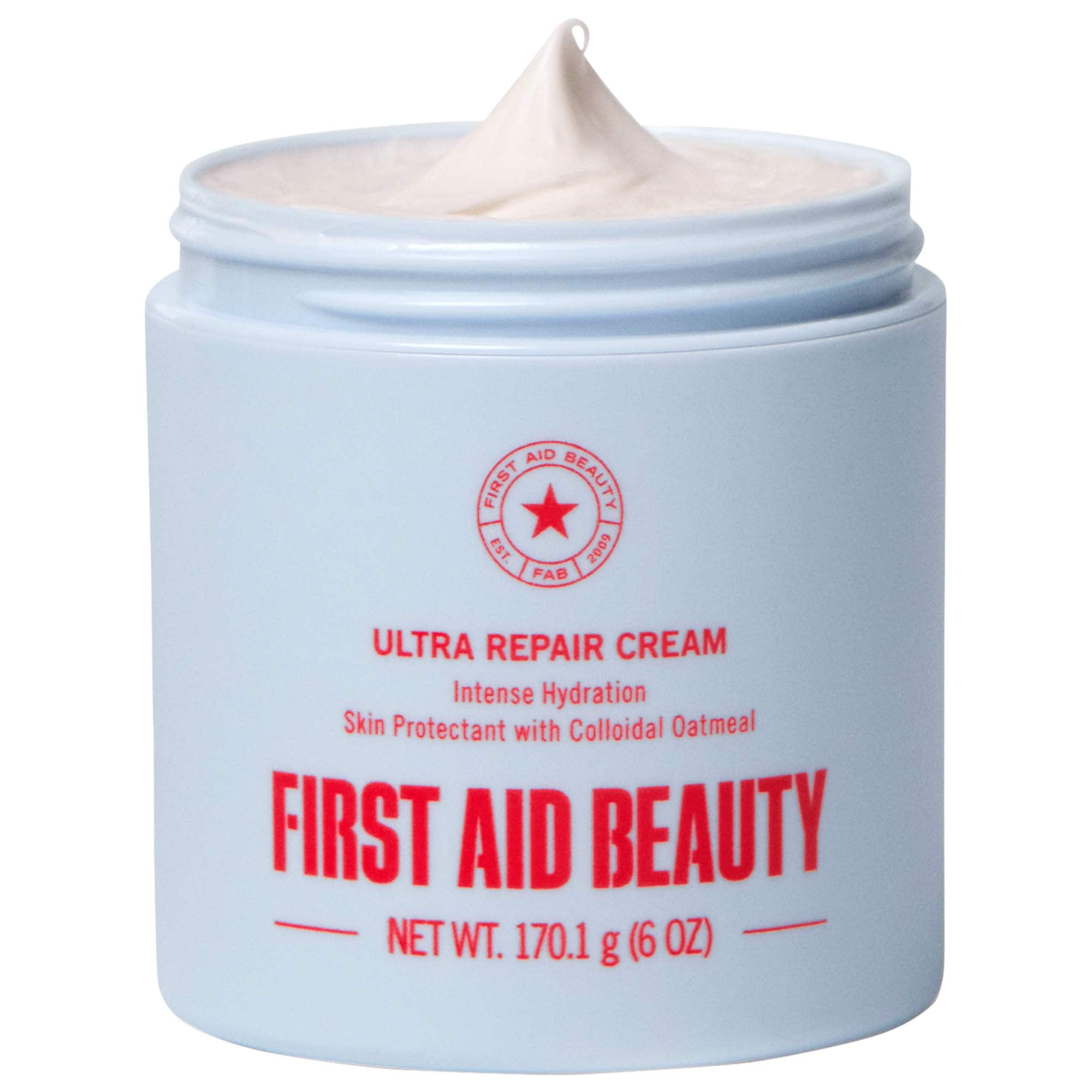
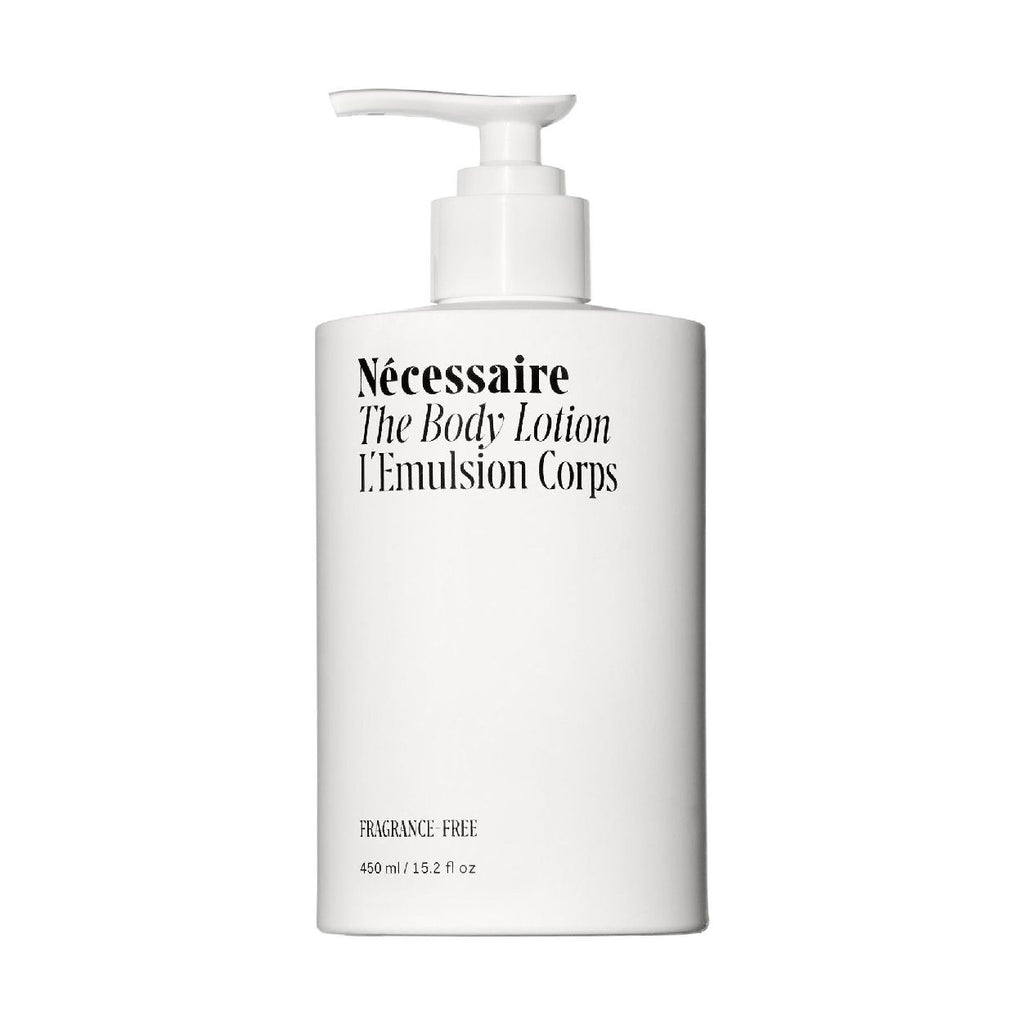
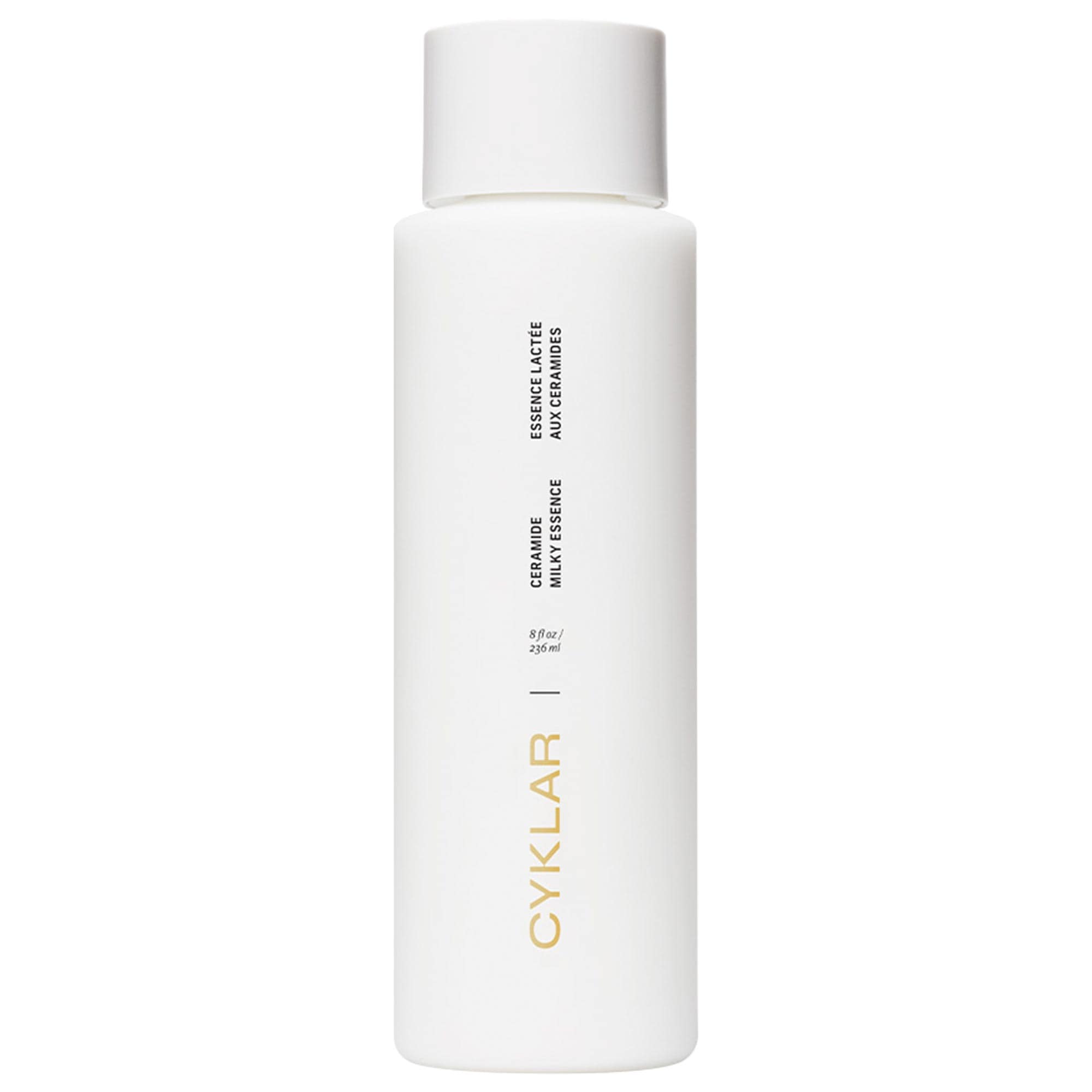
Thick creams, moisturizers, and occlusives like petroleum jelly are your best friends when you have a sunburn. “Applying a fragrance-free moisturizer while the skin is still slightly damp can help lock in moisture and support the skin barrier,” says board-certified dermatologist Marisa Garshick, MD. “Ingredients like aloe vera, glycerin, ceramides, and hyaluronic acid can all help soothe and hydrate the skin.”
It’s also worthwhile to add some hydrocortisone to the mix. As far as aloe is concerned? It can’t hurt—but don’t view it as your number one line of defense. “The evidence is mixed on aloe vera. Some studies suggest aloe performs as well as, or even better than, one percent hydrocortisone for mild burns, while others show little benefit. I do not discourage patients from using it if they find it soothing, but I also do not think it is essential,” says Dr. Finney. “If you use aloe, look for products with a high aloe content and minimal added alcohol or fragrance, which can further irritate burned skin.”
Don’t Peel
If you got really burnt, you might start to notice some peeling. It might be tempting to peel and pull, but please let it be. “Peeling is your body’s way of shedding damaged skin,” says Dr. Finney. “Pulling at it can delay healing, increase irritation, and raise the risk of infection, discoloration, and scarring.”
Make an Appointment With Your Dermatologist
Most sunburns can be treated 100 percent from the comfort of your own home. But if you start noticing symptoms that feel out of the ordinary—like extensive blistering, severe pain, fever, chills, vomiting—you probably want to make an appointment with your doctor for closer evaluation or prescription treatment. “Other reasons to see a doctor include if the sunburn covers a large portion of your body or if your symptoms aren't improving after several days,” says Dr. Garshick.
Why Trust Marie Claire
For more than 30 years, Marie Claire has been an internationally recognized destination for news, fashion and beauty trends, investigative packages, and more. When it comes to the products Marie Claire recommends, we take your faith in us seriously. Every product that we feature comes personally recommended by a Marie Claire writer or editor, or by an expert we’ve spoken to firsthand.