
Get all your news in one place.
100’s of premium titles.
One app.
Start reading
Woman & Home
Woman & Home
Lifestyle
Grace Walsh

I didn't realise how tight my hips were until I tried the frog stretch - now I feel so much better

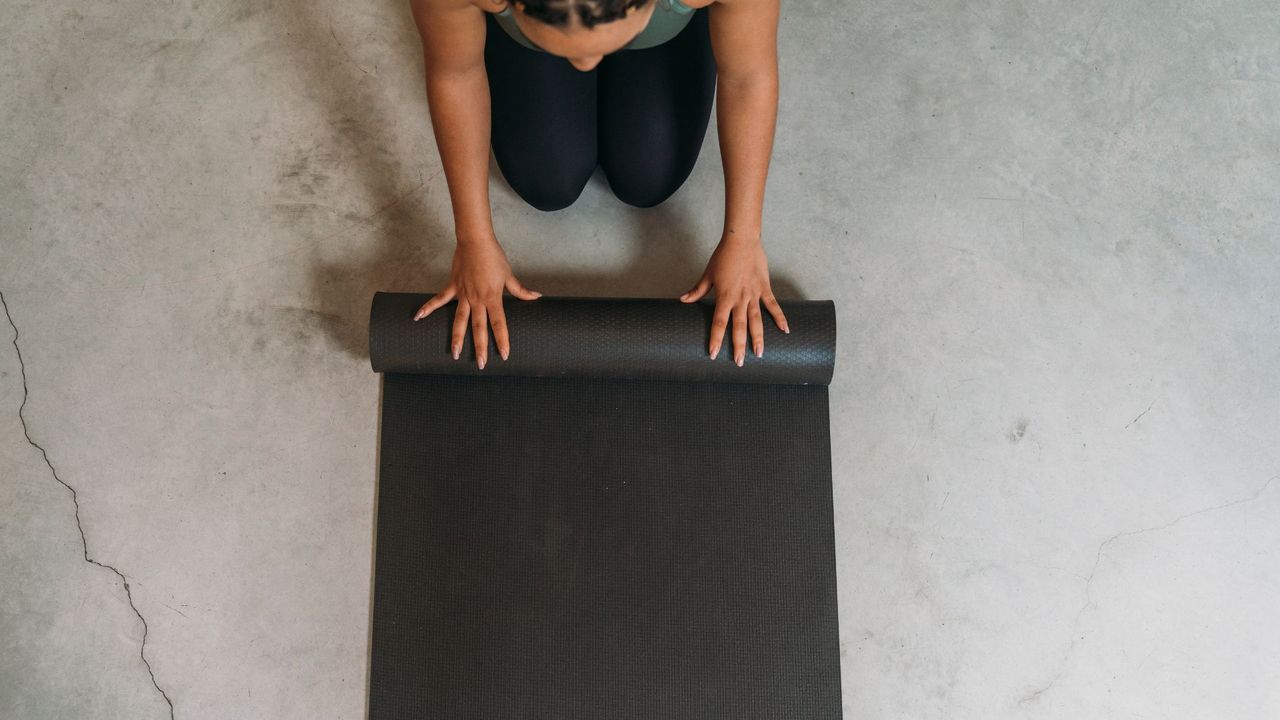
Woman rolling out yoga mat to do frog stretch on the floor.

I always thought that creaking feeling when I stood up from my desk after a day at the keys was to do with my lower back, but as it turns out, it's my tight hips.

As a runner and someone who loves strength training, it's really an issue I should have been aware of before, but I only realised after speaking to my physiotherapist about a separate concern. She recommended a series of exercises for tight hips, and the frog stretch was in there, along with the pigeon stretch.

So, I endeavoured to give this simple movement a go every day, given that I exercise a few times a week. I rolled my thick yoga mat out every morning for two weeks, and here's what happened...

What is the frog stretch?

The frog stretch is a deep hip-opening exercise. It targets the inner thighs and the string of ligaments around the hip joint that connect the thigh bone to the hip socket. These are the ligaments that get tight when we're sitting down for too long, when we use them very frequently (hello, runners), or if we have poor posture already. Sometimes it's down to genetics.

"Our bodies are really designed for movement, and so we do tend to get little aches and pains with prolonged periods of sitting, which are easily addressed by building movement breaks into the day," says Helen O'Leary, a certified physiotherapist and instructor at Complete Pilates

Here's how to do the frog stretch:

  • Come down onto the floor - and start on all fours.
  • Widen your knees away from your body as far as you can.
  • Point your toes out so your inner ankles touch the floor.
  • Lower your hips back and down, making sure to keep your spine neutral.
  • If you find this easy, move from your hands down to your forearms.

Benefits of the frog stretch

1. Eases tightness in the hips

The position you adopt in the frog stretch targets the inner thigh muscles (the "adductors"), says Helen. "These span from the pubic region all the way to the knee," she notes.

When you stretch them out, you'll alleviate some of the tightness in your hips, making movements like running, walking, and sitting down feel less restrictive.

2. Suitable for all

While the pigeon stretch requires you to have some flexibility before you get to the floor, the frog stretch is truly one for beginners looking to loosen stiff joints. Anyone can do it.

"This way of stretching can be particularly effective because you can use the floor to lever your knees a bit further apart," says Helen, which means you can choose how far you want to go.

If you want to make it harder, you can bring your ankles closer together, as demonstrated in the video above by Susie Martin.

3. Versatile

When we're warming up for exercise, it's essential to perform dynamic stretches to increase blood flow, raise muscle temperature, and enhance range of motion. The frog stretch can be added to your warm-up routine with a simple change.

"You can make it more dynamic by moving your body forwards and backwards, side to side or positioning your feet together or further away," says Helen. This can help mobilise your hips, glutes, and lower back before your workout.

4. Targets other muscles too

In addition to the adductors, the frog stretch engages the hip flexors, glutes, and lower back, thereby improving range of motion in all these areas.

"You can also use this frog position to mobilise a stiff upper back," says Helen, making it one of the best back exercises to do at home.

How often should you do the frog stretch?

I've done the frog stretch every day for two weeks so far, and I'm certainly feeling the benefits of it. I hold the stretch for 30 seconds at a time, take a short pause, and then hold it for another 30 seconds before moving on to my glute exercises and other stretches.

My hips don't feel so tight, and I can stand from my desk after a day at my laptop a lot more easily. I've also moved from doing the stretch on my hands to my forearms, so I know the hard work is paying off.

Stretching twice or three times a week is enough to see results, however. Just be sure to hold it for half a second, leaning into the frog as much as it feels comfortable.

Is there anyone who shouldn't do the frog stretch?

Unless you've been told to avoid hip-opening stretches by your physiotherapist or doctor, you should be able to do the frog stretch. If you're new to stretching, start by just opening your legs a little at a time.

"It's important to listen to your body when stretching like this," says Helen. "Forcing your body to stretch beyond its limits may cause injury. Not everyone will have the same range in their hip joints."

If you find that your hip tightness is particularly severe or worse in the morning, Helen suggests speaking to your doctor to rule out a medical cause. "It may not respond to stretching alone," she says.

Sign up to read this article
Read news from 100’s of titles, curated specifically for you.
Already a member? Sign in here
Related Stories
Top stories on inkl right now
Our Picks
Fourteen days free
Download the app
One app. One membership.
100+ trusted global sources.