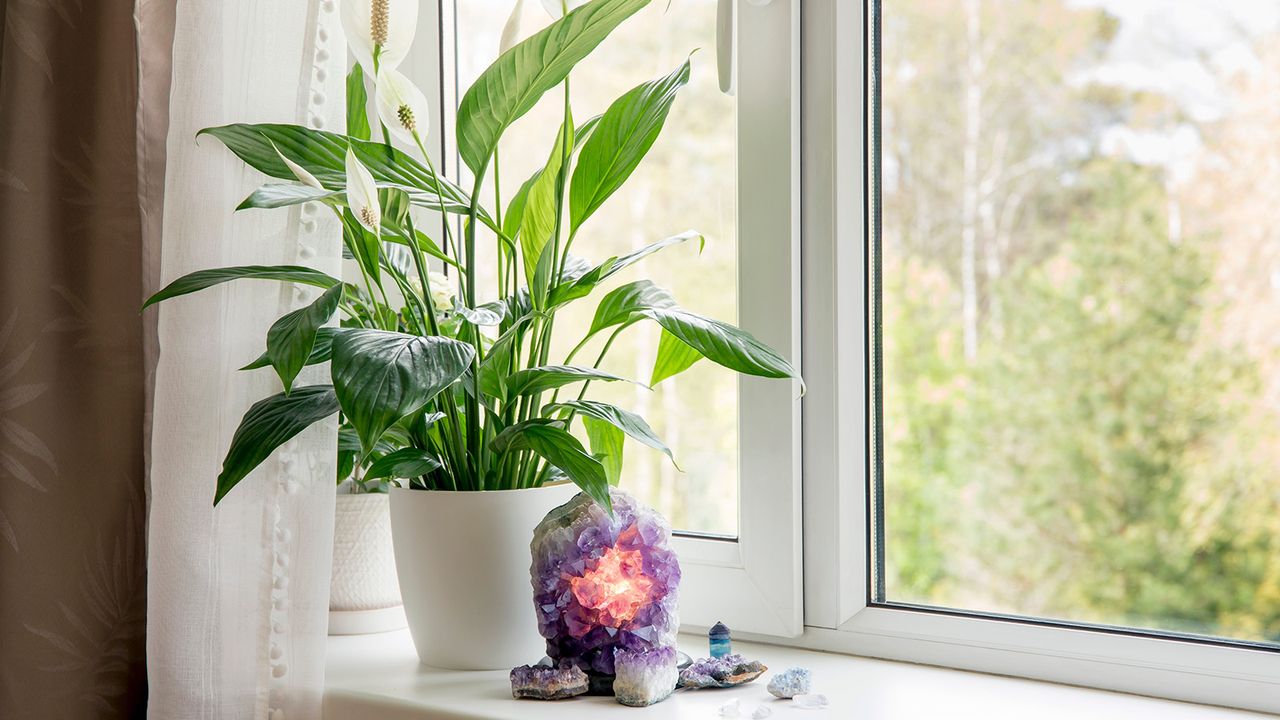
When peace lily leaves start turning brown, your plant is sending a clear distress signal. Those crispy brown tips and edges indicate problems with watering, light, humidity, or water quality that need attention. The good news is that brown leaves are usually fixable if you catch them early and identify the underlying cause.
While one or two brown leaves might simply mean natural aging, widespread browning across multiple leaves points to specific care issues you can correct. Understanding what causes brown leaves helps you adjust your care routine before the problem worsens.
Here are the five most common reasons peace lily leaves turn brown and how to fix each one.
1. Low humidity is drying out the leaves
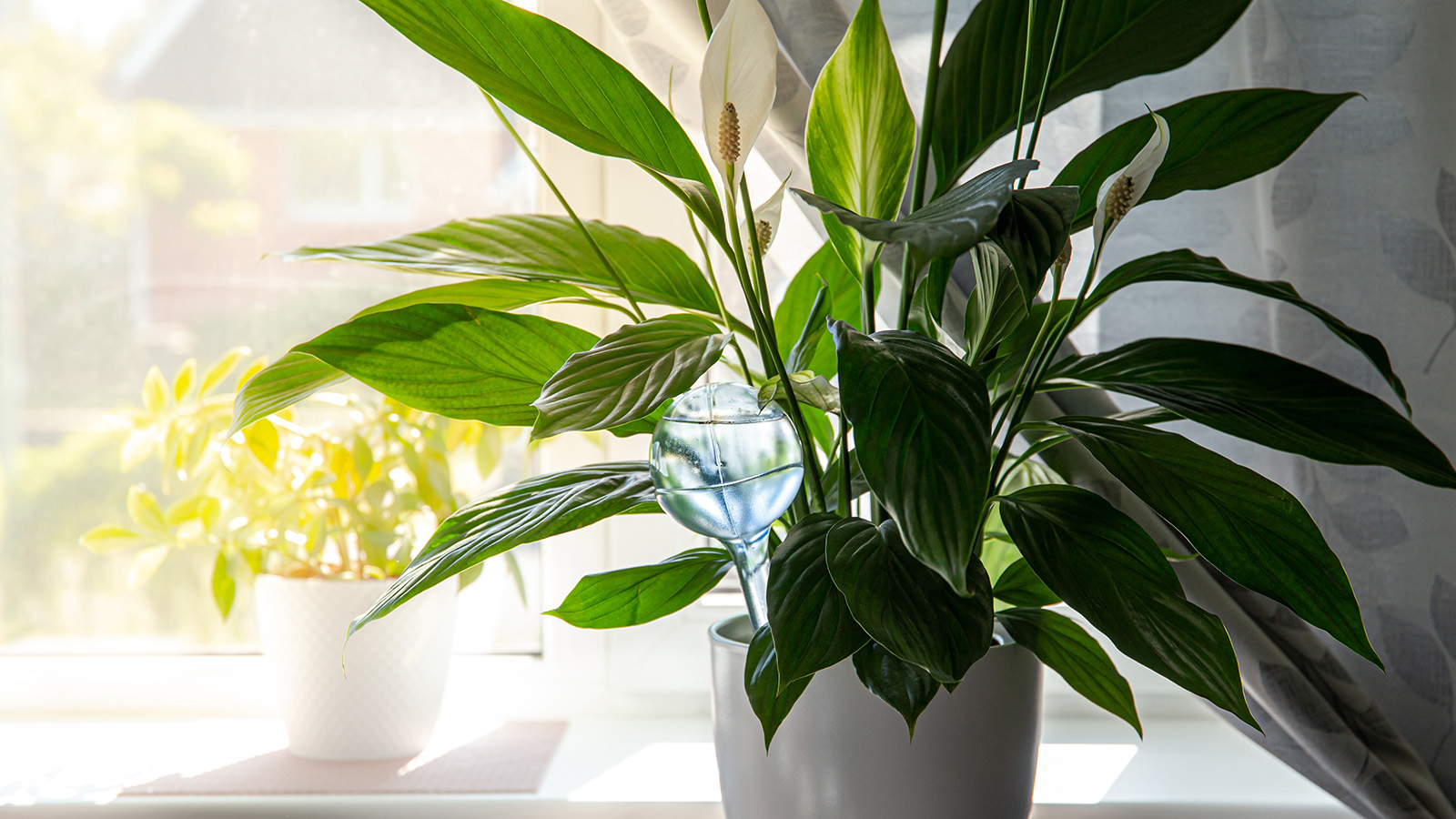
Heating systems reduce indoor humidity during autumn and winter, causing peace lily leaf edges to turn brown and crispy. Radiators, wood burners, and forced air heating dry out the air, which directly affects moisture-loving plants like peace lilies.
Move your peace lily away from heat sources like radiators and vents immediately. Position it in a location where it won't be exposed to hot, dry air constantly.
Increase humidity with daily misting using a spray bottle filled with filtered water, and spray the leaves every day or two to raise moisture levels around the plant. Alternatively, you can use a humidifier near your peace lily to automate humidity control without daily maintenance.
2. You're not watering enough
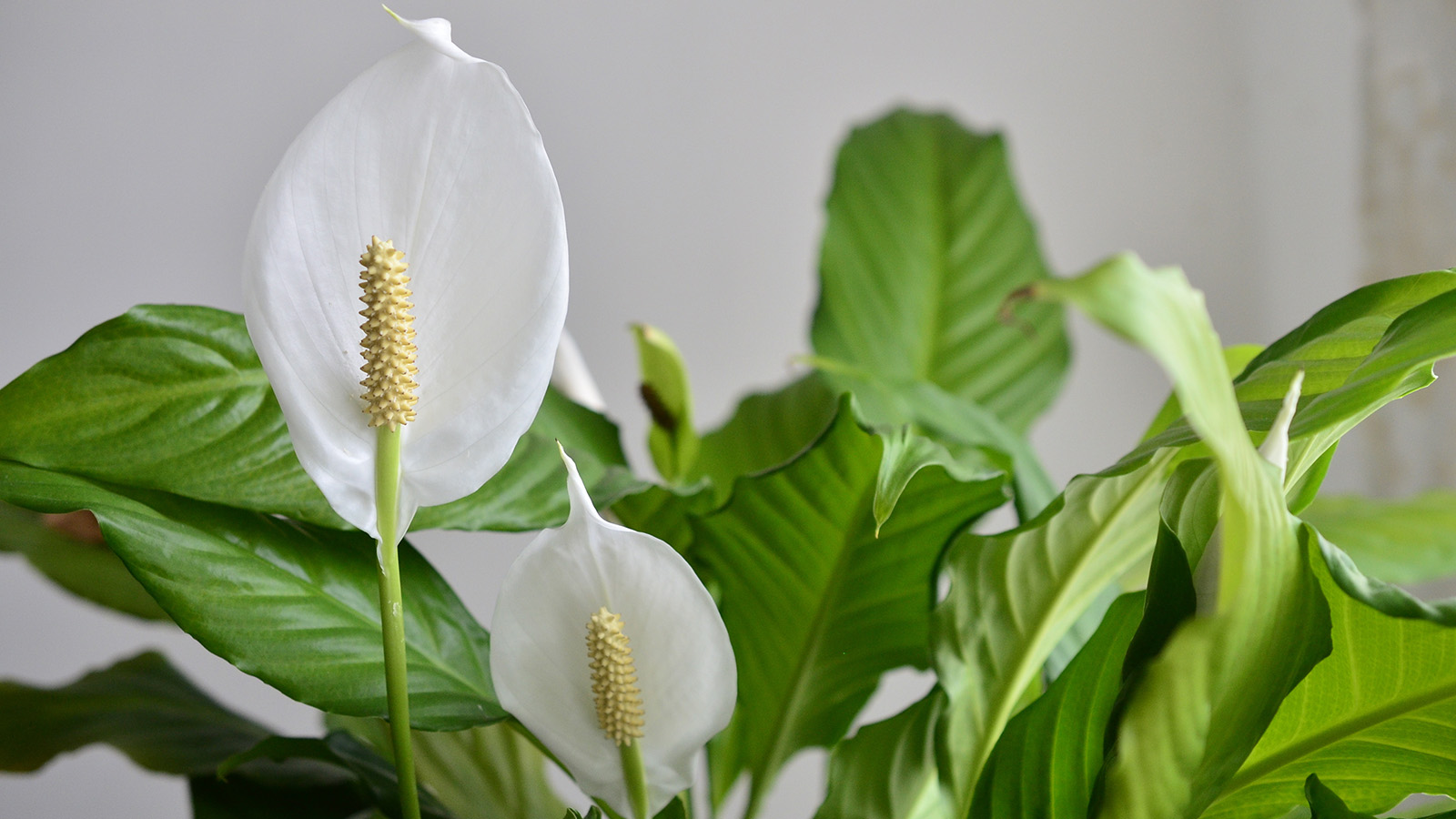
Underwatering causes brown leaf tips as the plant can't transport enough moisture to the outer edges of foliage. This is especially common during winter when people reduce watering frequency too much.
Check soil moisture by inserting your finger an inch into the soil. If it feels dry, your plant needs water. For a mess-free option, use a moisture meter to eliminate guesswork about when to water.
Water when the top inch of soil feels dry but before the entire pot dries out completely. The soil should stay consistently moist — not wet or soggy, but never completely dry. If daily checking isn't feasible, consider a self-watering pot that maintains consistent moisture levels automatically.
3. You're watering too much
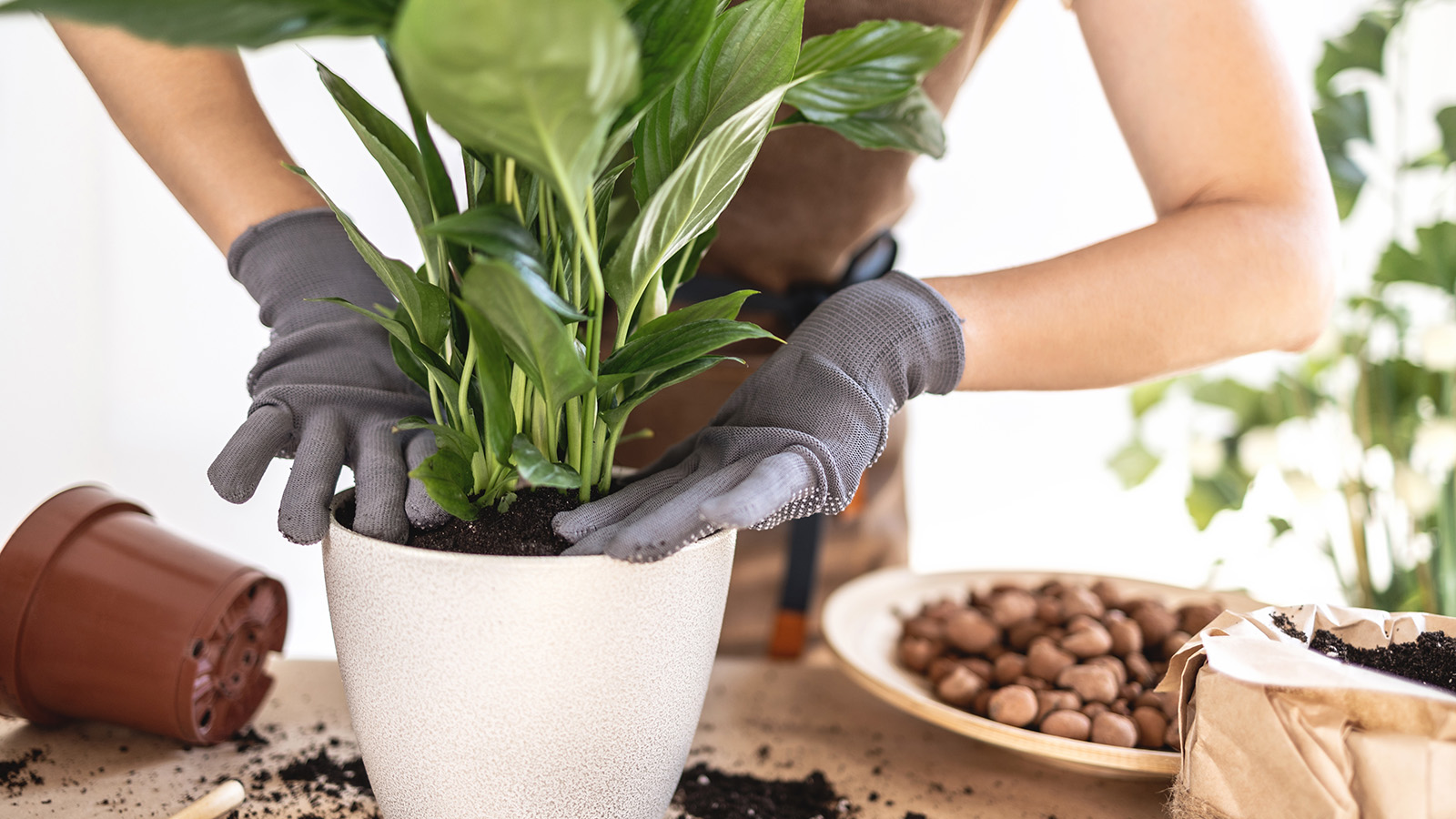
Overwatering is extremely common during cooler months when plant growth slows and water needs decrease. Shorter days and lower indoor temperatures mean peace lilies require less frequent watering than during summer.
Reduce watering frequency as temperatures drop. Use a moisture meter to check soil before watering rather than following a fixed schedule. Only water when the top inch of soil has dried out.
Ensure proper drainage to prevent waterlogged roots. Place your peace lily in a nursery pot inside a decorative cover pot, rather than planting directly in a pot without drainage holes. One hour after watering, empty any standing water from the cover pot so roots don't sit in moisture.
4. Tap water chemicals are burning the leaves
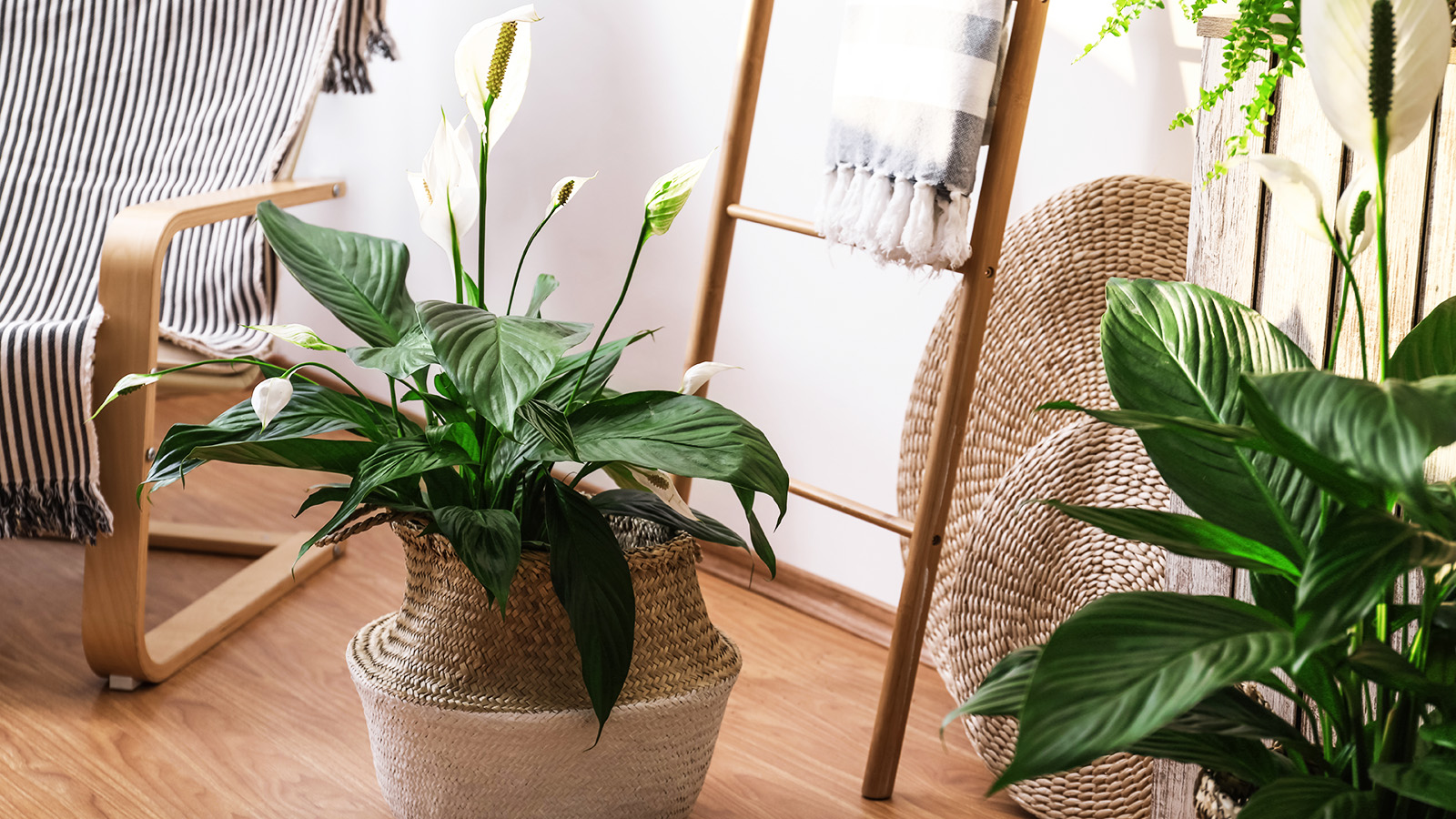
Peace lilies are sensitive to fluoride in tap water, which causes brown leaf tips and edges even when all other care is correct. Many municipal water supplies contain fluoride levels high enough to damage sensitive plants.
Filtered water removes most fluoride and other chemicals that harm the plant, so switch to filtered water or rainwater for watering your peace lily. You can collect rainwater for plant watering by setting up a rain barrel or collection system.
Rainwater is ideal for peace lilies and eliminates the cost of buying filtered water or replacement filters.
5. Too much direct sunlight
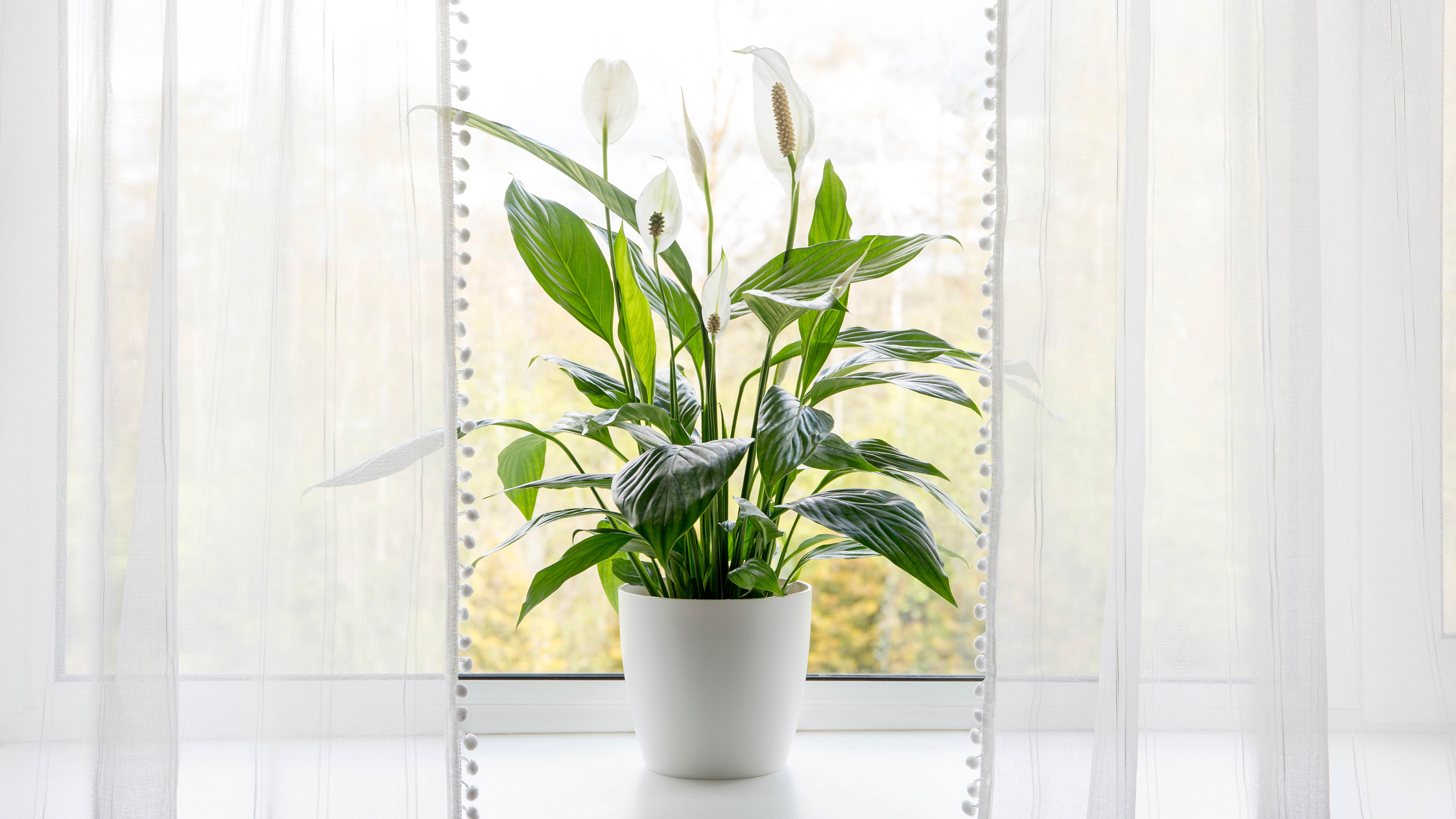
Peace lilies prefer bright indirect light, not direct sun exposure. Too much direct sunlight or positioning too close to grow lights causes brown, burned patches on leaves.
Move your peace lily to the middle of a room or a spot where it receives filtered light rather than direct sun rays. Windows with sheer curtains work well, or position the plant several feet back from bright windows.
If you're using artificial lighting, reduce the grow light intensity. Peace lilies don't need intense light, and too much can scorch the leaves just like direct sunlight.
Should you trim brown leaves?
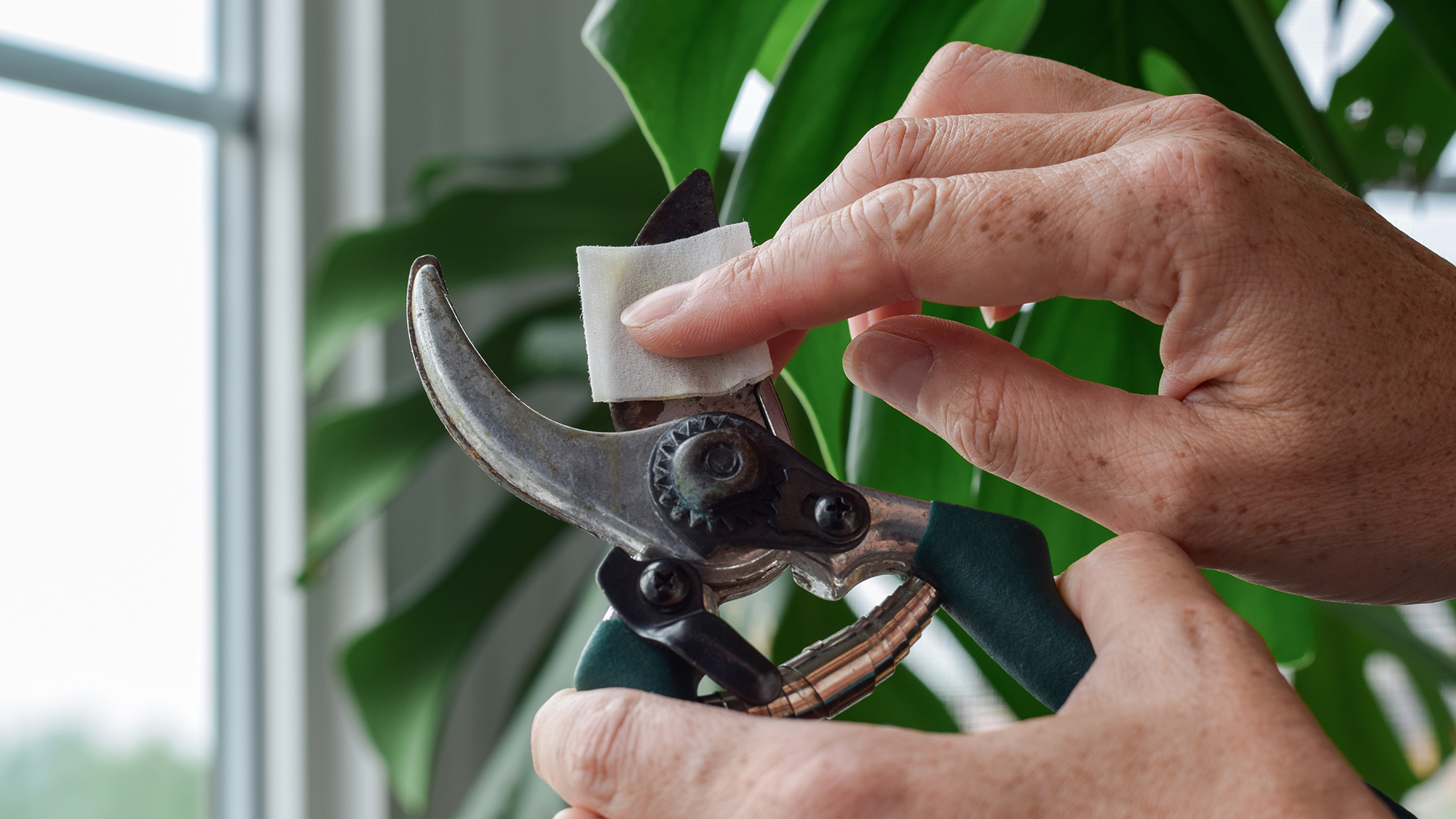
The short answer is yes. Trimming improves appearance and redirects energy to healthy growth rather than maintaining damaged foliage. Remove brown leaves as soon as you notice them and after correcting the underlying cause.
Trim brown leaves at the base of the stem using clean scissors or pruning shears. Cut where the leaf stem meets the main plant to remove the entire affected leaf. If multiple leaves are affected, don't remove more than 20% of them at once.
Trim the worst ones first, fix the care issue, then remove additional brown leaves gradually as new healthy growth appears.
Follow Tom's Guide on Google News and add us as a preferred source to get our up-to-date news, analysis, and reviews in your feeds. Make sure to click the Follow button!