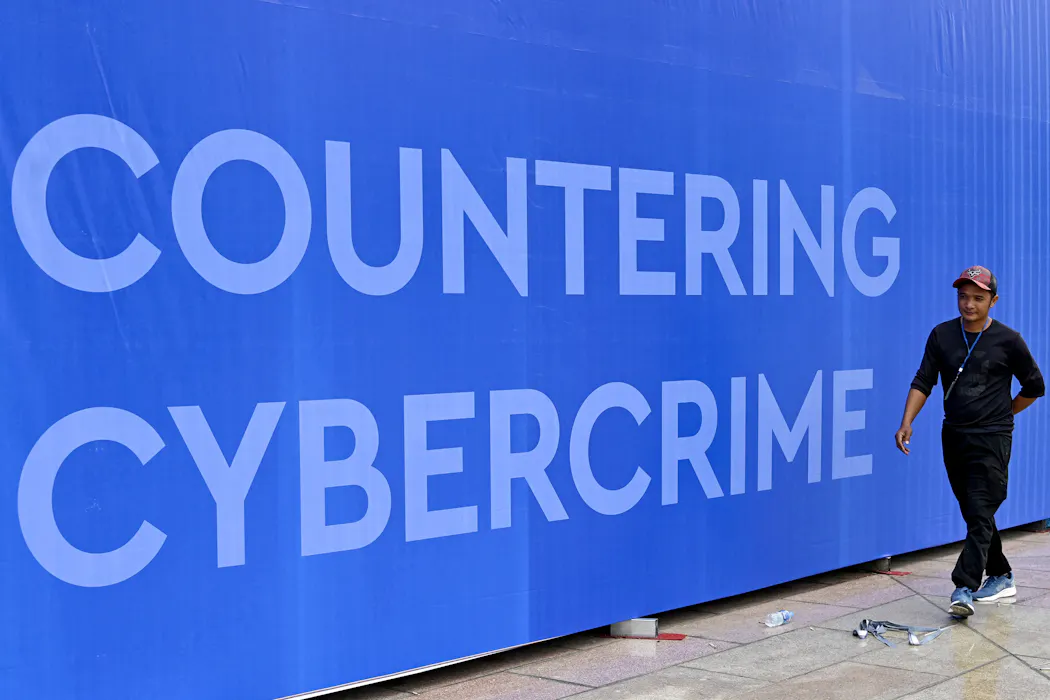
The United Nations Convention against Cybercrime is the first international treaty aimed at combating criminal acts committed online and at supporting victims of those crimes. At the initial signing ceremony on Oct. 25, 2025, U.N. Secretary General António Guterres said the convention was “a promise that fundamental human rights such as privacy, dignity and safety must be protected both offline and online.”
Civil society groups around the world, however, argue that the convention could make it easier for authoritarian governments to share information about people engaging in regular online activities. Because of vague language in the document, critics contend that governments would have the ability to criminalize legitimate online expression or other activities. Legal gray areas also heighten concerns for the protection of whistleblowers, activists, journalists, researchers and others who could be targeted by governments known to restrict civil and political rights.