
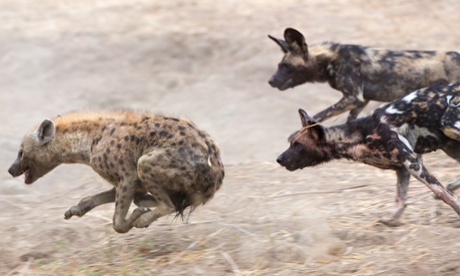
Wild zoology, a name I have just invented, is the study of animals in the wild. It will have started when it was in our interests to observe what things we might eat and what might eat us. In some senses, all animals do that. But today, wild zoology is an important science. We need to know what animals do and where they do it to understand how the diverse elements of ecosystems interact to make the system work. Robust, functioning ecosystems have robust, healthy animals within them, and everybody should want that.
Perhaps the crux of the problem to getting information about wild animals is that they often do not want to be seen. Few animals do not react to man and the lifestyles and attitudes of many mean that we do not see them for much of the time because they guard appreciable distance between us and them, or operate at times and in places where they cannot be seen – the ‘dense forest’ or at ‘dead of night’ phenomenon. As a consequence, an array of technologies are being developed for the study of wild animals at distance - for example, telescopes and binoculars have been adapted to allow observation in the dark, with image intensifiers and infra-red cameras. Filming them means that we could inspect recorded behaviour time and again, replaying to pick out the minutiae.













