Get all your news in one place.
100's of premium titles.
One app.
Start reading
The Times of India
The Times of India
World
TOI World Desk

How Utah locals pushed Kevin O’Leary to cut his AI data centre plan in half

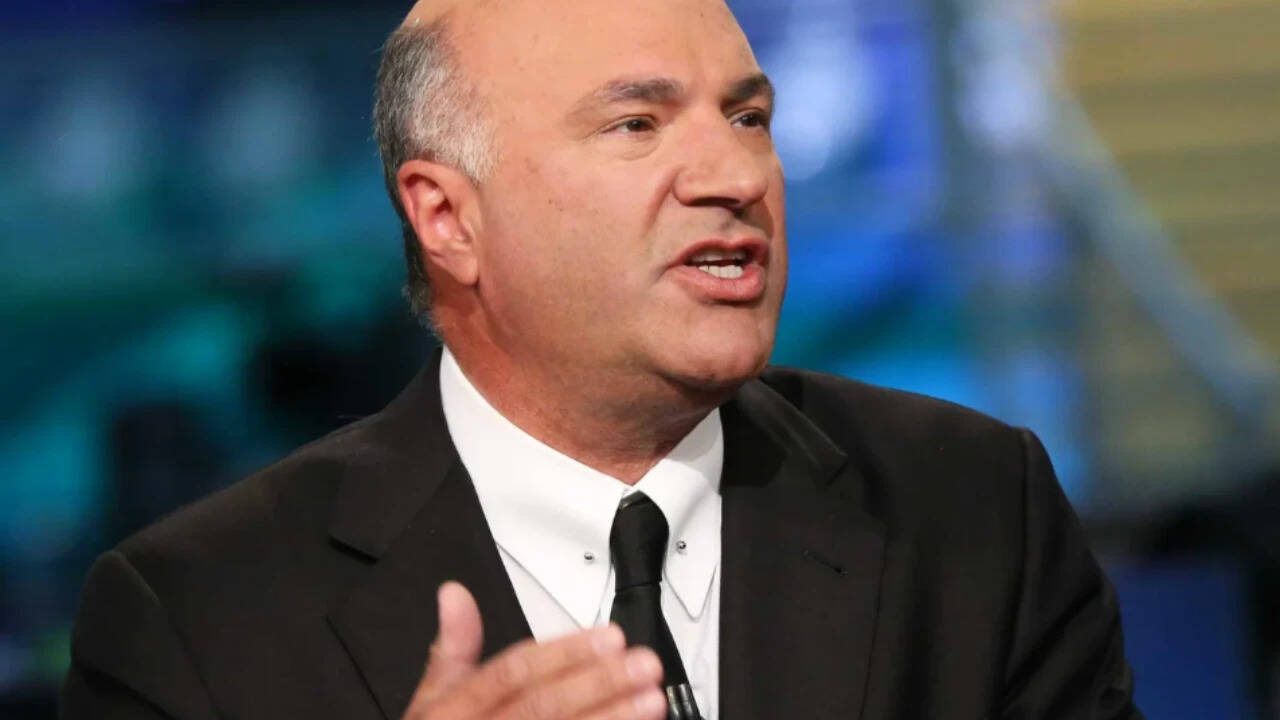
Kevin O’Leary backed a proposed 40,000-acre AI data centre district in Utah, with plans for up to 9 gigawatts of power. However, months later, the project has been reduced to about 20,000 acres following local opposition, according to Utah Public Radio. Residents have raised concerns about its environmental impact, water and energy use, and the level of public review before the project moves ahead.

Get breaking news anytime, anywhere. Download the TOI app now!
The proposed Stratos Project is planned for Box Elder County in northwest Utah. The original site covered 40,000 acres, about half the size of Salt Lake City. The area is dominated by ranching, farming and open space and lies north of the shrinking Great Salt Lake, which is also a sanctuary for migratory birds.

The project was backed by O’Leary, who said it could strengthen the local economy and increase US computing and energy capacity. The plan included a 9-gigawatt AI data centre, a natural gas plant to power it and other possible facilities.

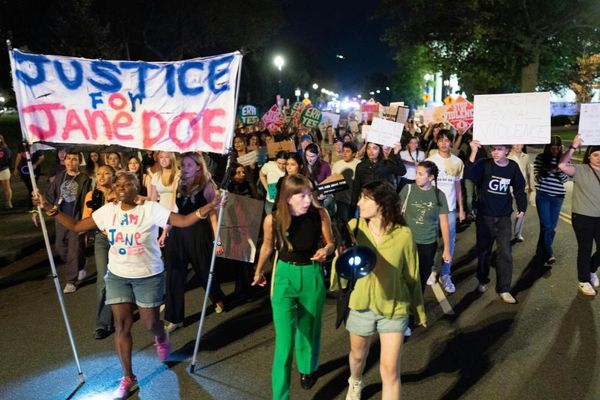
The proposal faced strong opposition from residents. Hundreds attended a Box Elder County Commission meeting in May, where commissioners unanimously approved the project. Residents raised concerns about the scale of the development, its energy and water use, possible environmental effects and the time available to examine the plans.

Project size cut in half

By June 4, O’Leary had agreed to reduce the proposed campus from 40,000 acres to about 20,000 acres, according to Utah Public Radio.

The change followed demands from Utah Senate President J. Stuart Adams, who also chairs the agency backing the project. Adams had called for a 75% reduction in size, environmental protections and greater transparency. Despite the change, O’Leary continued to blame misinformation for some of the opposition to the project.

The development was planned in phases over several years. O’Leary said developers hoped to have the first gigawatt of data centre capacity operating within two years. The group had already invested about $20 million and planned to seek commitments from potential data centre tenants before raising more money.

O’Leary said the project could eventually cost more than $100 billion. He also said it could support about 10,000 construction jobs and 2,000 permanent positions, while generating tax revenue for the state and county.

Sign up to read this article
Read news from 100's of titles, curated specifically for you.
Already a member? Sign in here
Related Stories
Top stories on inkl right now
One subscription that gives you access to news from hundreds of sites
Already a member? Sign in here
Our Picks
Fourteen days free
Download the app
One app. One membership.
100+ trusted global sources.