
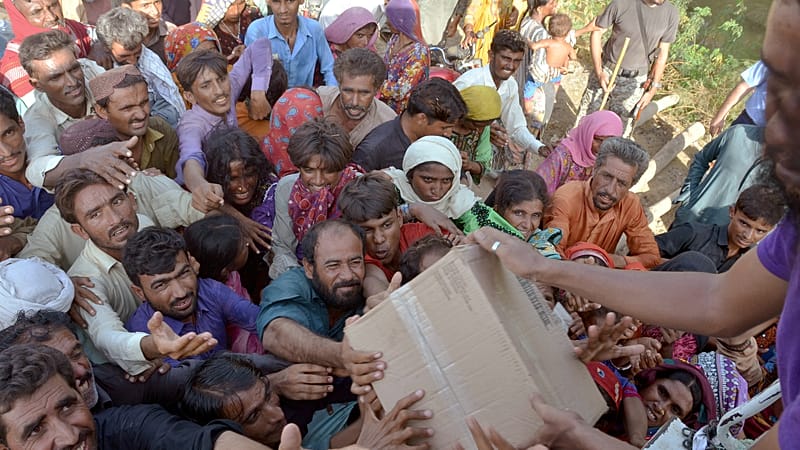
Humanitarian and development assistance for low- and middle-income countries is facing an unprecedented squeeze — but the funding gaps could be filled by taxing the wealthy, potentially saving millions of lives, a new study says.
“With donor countries facing growing indebtedness and increasingly reallocating resources towards military spending, funding humanitarian assistance via the taxation of large fortunes was one of the most viable strategies,” said Lucio Exposito, senior economist of the study and researcher at the ICESI School of Economics and University of East Anglia School of Global Development in the United Kingdom











