A physiotherapist has revealed how to keep your bones strong and healthy as you enter midlife and issues such as joint pain, osteoporosis and stress fractures become increasingly common.
Hormonal changes during menopause, along with a natural decline in activity levels, can all contribute – but the good news is that simple lifestyle changes can help counteract these effects.
“Osteopenia, which is often a precursor to osteoporosis, is more prevalent in perimenopausal and postmenopausal women due to the drop in their oestrogen levels [a hormone that is essential for healthy bones] that happens during menopause,” says Lucy Macdonald from Restart Physio.
Osteoporosis causes bones to become weaker and more fragile, according to the NHS website.
The physiotherapist adds that stress fractures are also more common in older adults.
“If you are young and suddenly go for a long run, you’re less likely to get a stress fracture compared to someone who is older who goes for a long run, because their bones just won’t be as resilient to the load unless they have been regularly running or doing strength training.
“Stress fractures can be hugely rehabilitating and can stop people from being able to enjoy their day-to-day activities due to the pain and reduction in function.”
To prevent this, Macdonald has shared her top tips on how to keep your bones strong and healthy in midlife and beyond:
Do regular impact exercises
“Impact activity is really important for bones because when you jump about on your bones, they regenerate,” says Macdonald.
“You can even start with doing some sit-to-stand exercises in bed as a warm-up and then a few little bunny hops on the spot every morning.”
Start strength training
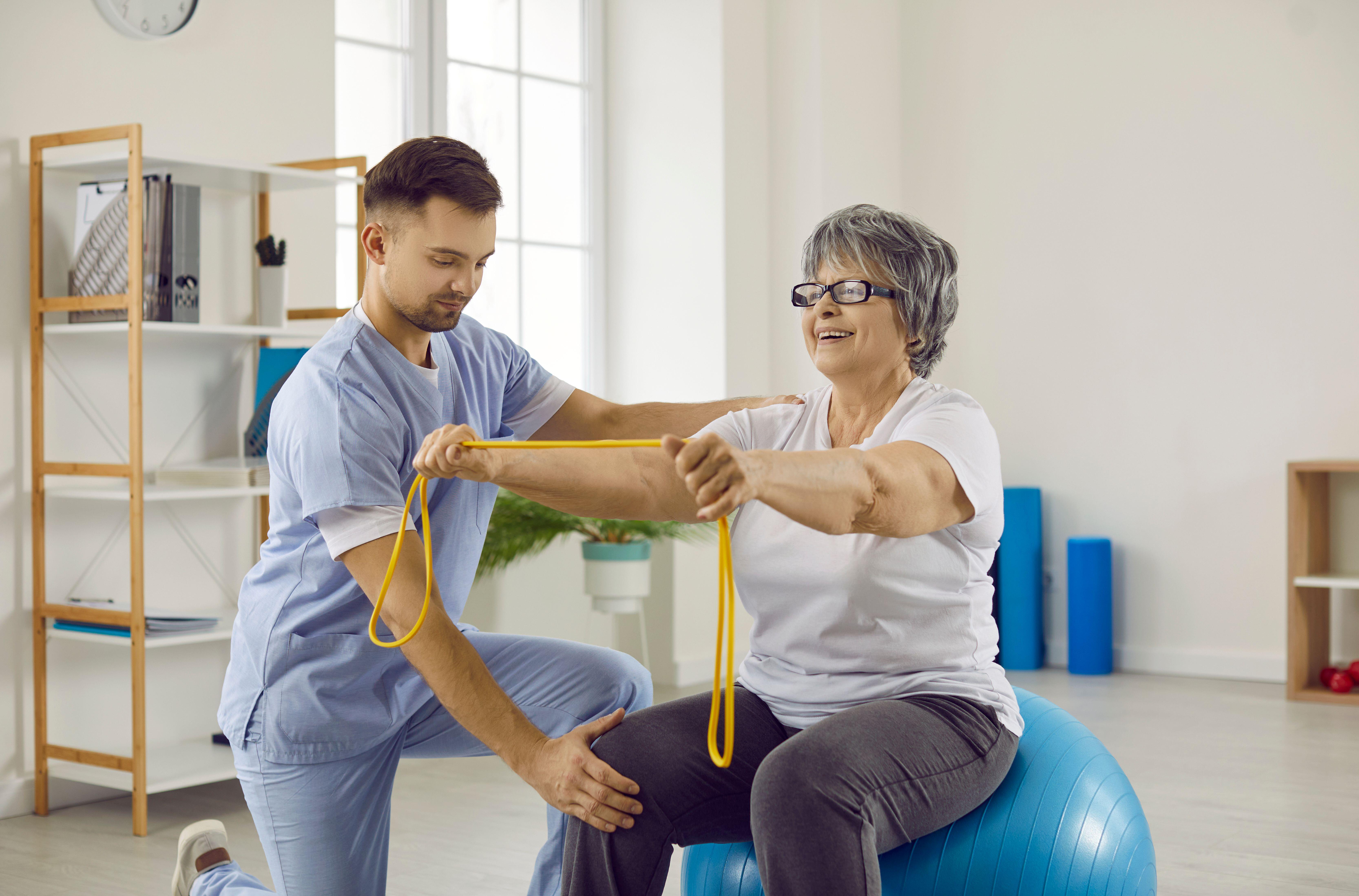
“Strength training is also really good for bone density because whenever you contract a muscle with force, that muscle, via a tendon, will pull on the bone, and that pulling on the bone is good for bone regeneration,” says Macdonald.
“So, it’s good to do a combination of impact exercise and strength training.

“If you’ve done no exercise in the last few years, then I would recommend starting with the strength and conditioning first, with a nice resistance training programme, and then moving onto more impact stuff as and when you’re strong enough to do so.”
Remember to incorporate recovery days into your training plan
“You can make good progress with strength training if you do it a couple of times a week, but make sure you are also giving yourself some days to recover,” advises Macdonald.
“Rest is a really important part of the process of becoming stronger, especially if you’re training the muscles heavy enough that you’re getting muscle soreness.”
Find an exercise that you enjoy
“Find something that you enjoy,” encourages Macdonald.

“If you’re not necessarily into running, then something like a Zumba or dance class can be really good for jumping around to music.
“If you commit to doing it with a friend or a group of people, you’re much more likely to stick to it.”
Incorporate progressive overload to avoid injury
“Start slowly and build up your training and exercises in small increments, so that your bones gradually get stronger and stronger over time,” recommends Macdonald.
“If you go from nothing to suddenly doing a lot of impact exercise, that can increase your risk of a stress fracture.”
Quit smoking
“Smoking is really bad for your bone health,” says Macdonald.
“Reduced bone density is one of the established negative effects of smoking.”
Prioritise sleep
“Sleep is when our bones and muscles recover,” explains Macdonald.
“If you’re not getting a decent night’s sleep, then your recovery will not be as good and your cell regeneration won’t be as good.

“The vast majority of us need eight hours of sleep, so try to prioritise things that help you get as much sleep as possible.”
Eat a balanced diet
“Make sure you are eating a decent diet with enough protein and are having minimal processed food, as sugar and processed food are not good for muscle or bone recovery,” says Macdonald. “Don’t underestimate the importance of all the nutrients that come with vegetables, fruits, dairy, whole foods and good fats.”
Seek professional help
“Having the guidance of someone who fully understands the physiology of your body and can pitch the exercise at exactly the right level for you can be very helpful and reassuring,” says Macdonald.
Nine in 10 strokes are preventable. Here’s how to reduce your risk
Claire Foy unable to drink caffeine after five-year parasite infection
8 ways to weave moss green into your scheme
Do I need more support for my feet as I get older?
Medicare launches pilot program using AI to approve or deny treatment claims
Are bamboo shoots a superfad or a superfood? Here’s the science