Get all your news in one place.
100's of premium titles.
One app.
Start reading
TechRadar
TechRadar
Zoran Danilovic

How to choose an age verification VPN

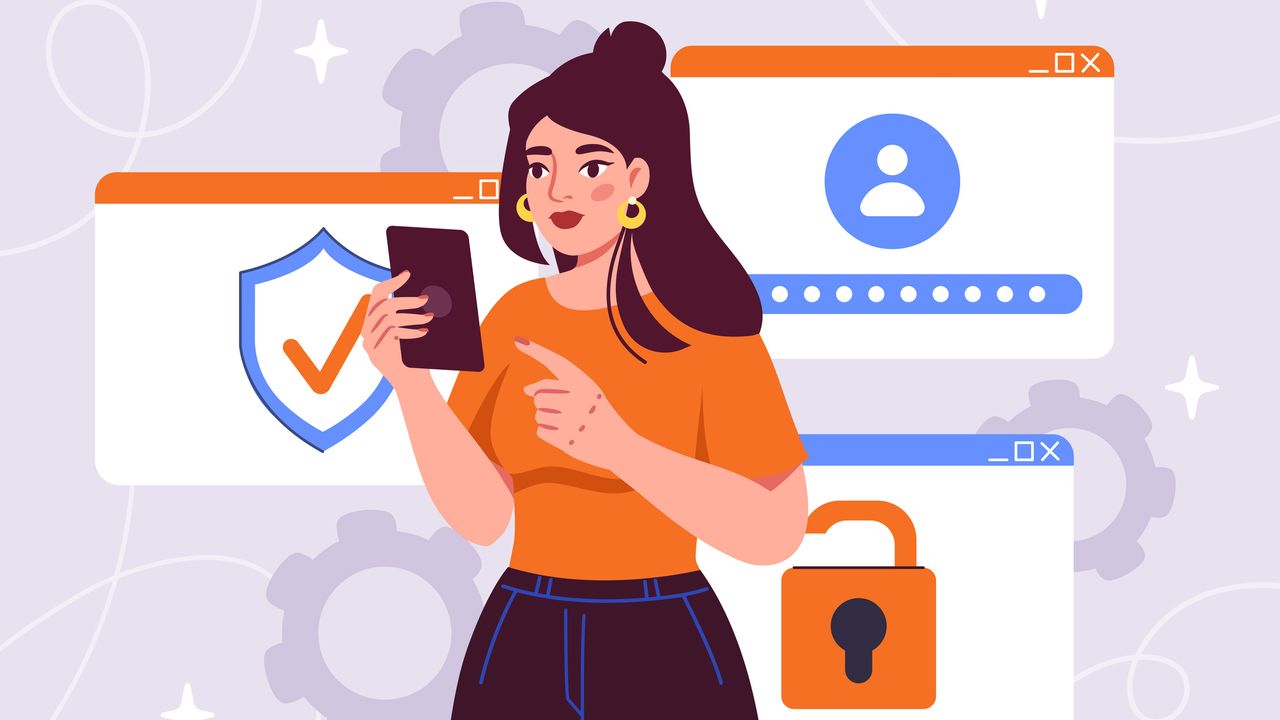
Illustration of a woman using a smartphone to verify her age.

Following the introduction of the UK's Online Safety Act and Australia's sweeping new age-verification laws, interest in virtual private networks (VPNs) has surged. With new rules restricting access to certain online content — including adult websites, social media platforms, and AI chatbots — many users are turning to VPNs to maintain their digital privacy. While using a VPN is legal in most jurisdictions, including the UK and Australia, not all services offer the same level of protection. While a free VPN might seem like a quick fix, they often come with significant trade-offs. Below, we’ve evaluated the best options based on their privacy audits and speed. While NordVPN and ExpressVPN are top performers, they are premium services. For those on a strict budget, Proton VPN’s free tier is a rare, trustworthy exception though it does have some limitations

1. Is the VPN transparent about its audit history?

Independent audits are the only way to verify a VPN’s "no-logs" claims. While most providers make bold promises, only a handful regularly open their infrastructure to third-party firms like Deloitte or KPMG.For example, NordVPN completed its sixth independent audit in late 2025, while ExpressVPN’s recently earned four ISO certifications. Surfshark also cleared a fresh security audit in January 2026. If a VPN hasn't published an audit report in the last 12–18 months, we recommend approaching their privacy claims with caution. With many people voicing serious privacy concerns about the new age verification laws and the sensitive data users are being asked to share, it's more important than ever to choose a VPN wisely.

2. What protocols are on offer?

VPNs offer their users several protocols, including OpenVPN, WireGuard, IKEv2, and L2TP. Each employs different encryption methods and connection types that impact security, speed, and reliability.We generally recommend WireGuard (or its variants like NordLynx) for the best balance of speed and security. It uses modern cryptography that is significantly faster than the older OpenVPN standard.However, custom protocols can offer unique benefits: ExpressVPN’s Lightway is optimized for reliability on mobile devices, while NordVPN’s NordLynx includes "double NAT" technology to ensure your local IP address is never written to the server.If you are in a highly restrictive environment, look for "Stealth" or obfuscation protocols that disguise VPN traffic as regular web browsing.

3. Where are the servers?

While VPN protocols keep your data secure in transit, it's the VPN servers that enable you to bypass geo-restrictions and access content otherwise unavailable in your region. Every provider offers a different set of server locations, and where those servers are matters, especially for those using a VPN to access streaming services, like Netflix, ITV, or Channel 4, while travelling overseas.For example, NordVPN, our best VPN for streaming, offers servers 188 countries, giving users a broad and flexible range of spoofing options. The more server options a VPN has, ideally in multiple cities per country, the more reliable their access will be if one connection gets blocked.But location diversity isn't the only factor to consider. Some providers also offer specialized servers for added security. For instance, Proton VPN's Secure Core routes users' traffic through privacy-friendly countries like Switzerland before reaching their destination, adding an extra layer of encryption but potentially reducing speed.

4. If the VPN is free, is it trustworthy?

Most free VPNs monetize your data by selling it to advertisers — completely defeating the purpose of using a VPN for privacy. We strongly advise against using any "unlimited" free VPN that you find on a mobile app store without a verified business model.Many free VPNs have been caught logging user activity, injecting ads or trackers, and even distributing malware. Some quietly sell your data to third parties or advertisers, flipping the script entirely on what a VPN should do.That's why we generally recommend sticking with trusted, premium VPNs. However, if a free option is the only route, make sure it comes from a provider with a solid track record, transparent audits, and a clearly defined no-logs policy.ProtonVPN and PrivadoVPN Free, our top picks for the best free VPN, are a good place to start. Both deliver excellent speeds, high security, and impressive privacy standards, all without compromising user trust.

5. Is it user-friendly?

While VPNs offer advanced features like "obfuscation" (which masks VPN traffic as standard HTTPS), most users simply need a "connect" button that works. ExpressVPN is a great choice for beginners due to its streamlined interface. Platform support is also a key factor. While most providers cover Windows, Mac, iOS, and Android, some go further with dedicated apps for Apple TV, gaming consoles, and even VR headsets.If you’re a heavy mobile user, we recommend checking our best Android VPN guide, as some mobile apps lack the "Kill Switch" or "Split Tunneling" features found on desktop.Finally, consider your household size as the old standard of 5 simultaneous connections is disappearing, with NordVPN, ExpressVPN and Surfshark all offering more.

Sign up to read this article
Read news from 100's of titles, curated specifically for you.
Already a member? Sign in here
Related Stories
Top stories on inkl right now
One subscription that gives you access to news from hundreds of sites
Already a member? Sign in here
Our Picks
Fourteen days free
Download the app
One app. One membership.
100+ trusted global sources.