
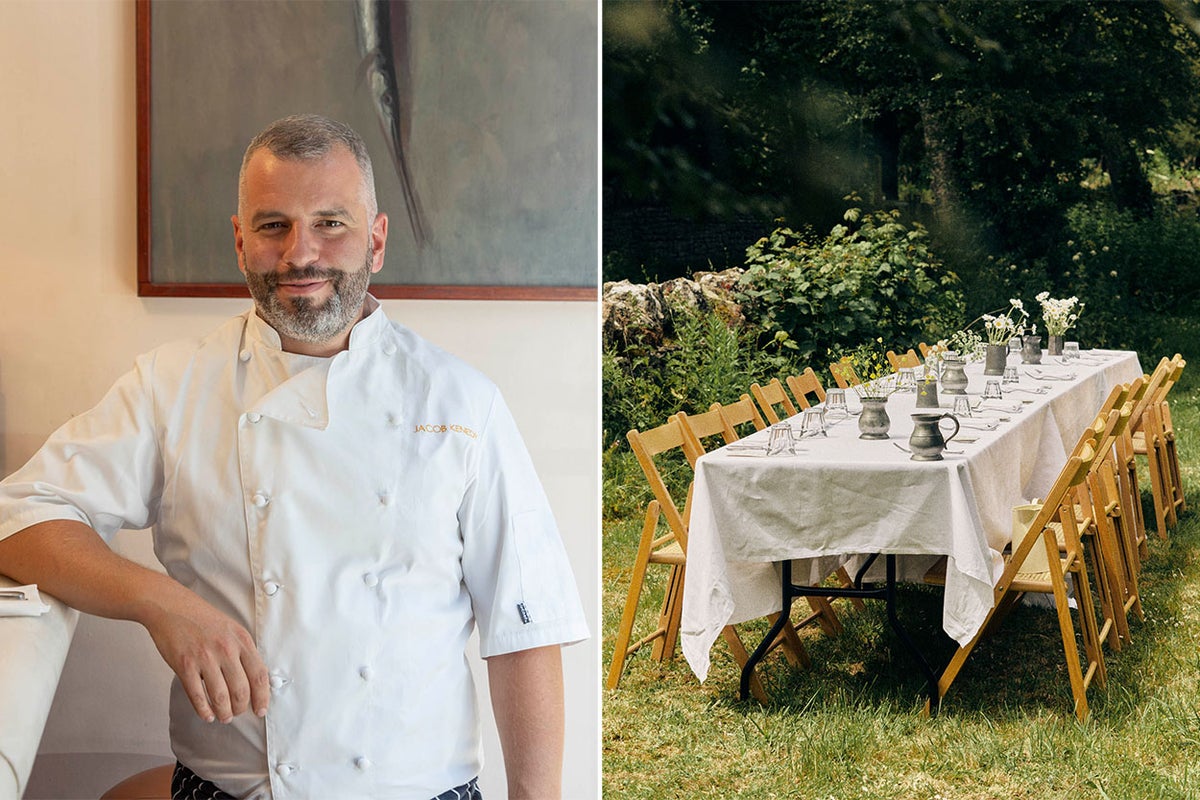
There are national holidays, and then there is Ferragosto: the one day in August when Italy appears to agree that the only sensible response to the heat is to stop working, leave the city and find somewhere good to eat. Beaches fill, shutters come down and families head for the coast or countryside with enough food for lunch to drift comfortably into dinner.
Its roots are considerably older than the modern summer holiday. The name comes from the Latin Feriae Augusti, or “the holidays of Augustus”, a period of rest introduced by Emperor Augustus in 18BC after the hard work of the harvest. The celebration originally fell at the beginning of the month, before becoming entwined with the Catholic feast of the Assumption on 15 August. What has survived is the central idea: a pause at the height of summer, best spent outdoors, at a table, with other people.














