
Get all your news in one place.
100’s of premium titles.
One app.
Start reading
GOBankingRates
GOBankingRates
Angela Mae Watson

How Switching 5 Everyday Purchases to Lower-Cost Retailers Could Save Thousands

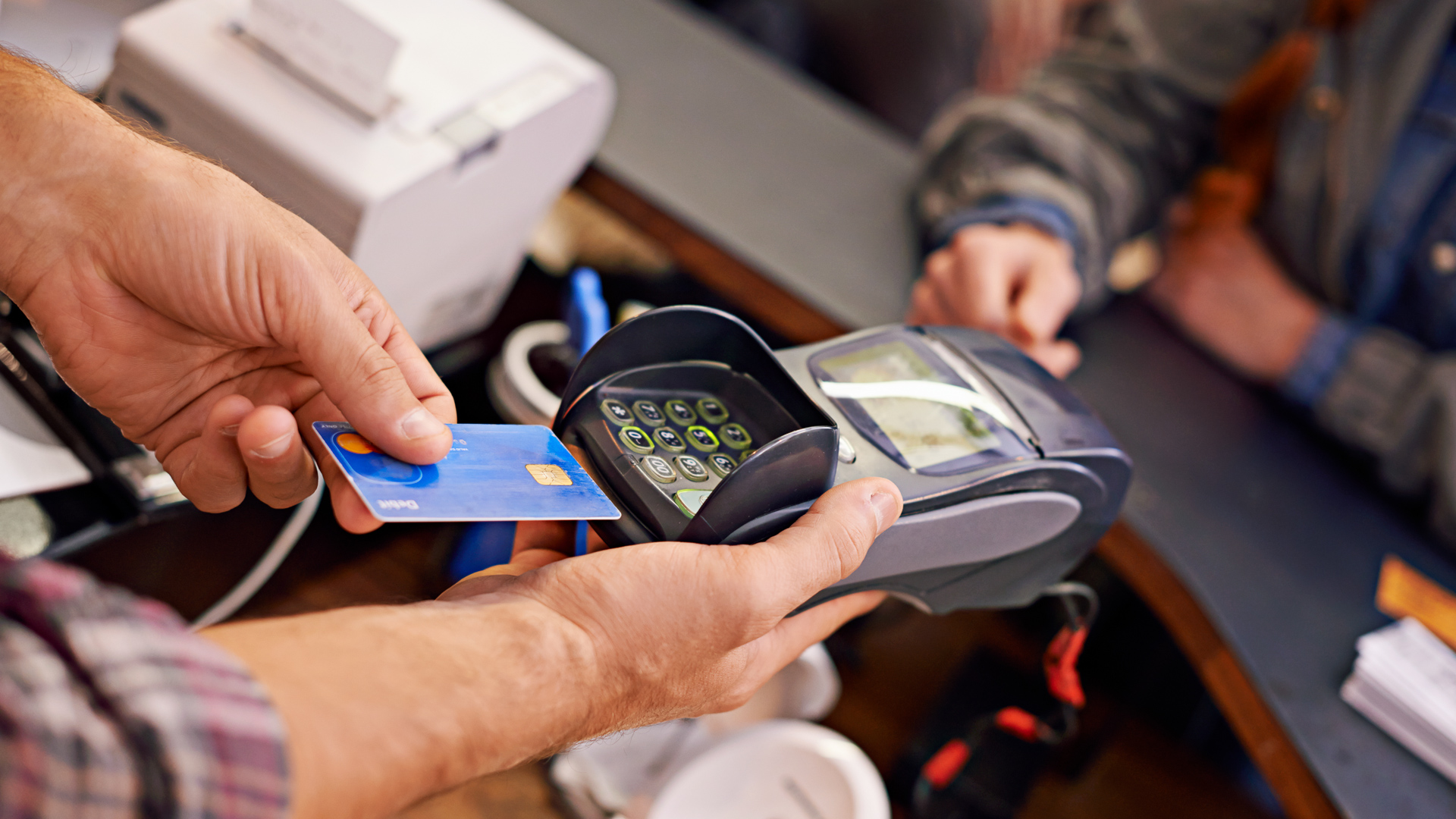
PeopleImages / Getty Images

Consumer spending rose an estimated 3.7% over the past year, per Morgan Stanley. It’s expected to rise another 2.9% in 2026. This is less growth than in previous years — likely due to tariffs, economic uncertainty and a cooling labor market — but it still indicates higher overall spending going forward.

One way to cut down on costs is to start buying key items from lower-cost retailers. GOBankingRates pulled the latest data from the Bureau of Labor Statistics to identify select purchases U.S. households make and how much they’re spending. From there, we determined how much money could be saved by switching to more affordable retailers.

1. Food

Consumers spend a whopping $10,169 annually on food. This includes food at home (groceries) and food away from home (dining out).

Food at home accounts for $6,224 of their annual spending, or $519 a month. These are the top food-at-home items people are spending their money on:

  • Cereals and bakery products: $779
  • Meats, poultry, fish and eggs: $1,414
  • Dairy: $631
  • Fruits and veggies: $953
  • Other: $2,447

Switching to places like Aldi or Lidl could help save money on groceries. According to AARP, Aldi is almost always cheaper than other low-cost grocers like Target and Walmart. A basket containing 30 popular items (like bananas and fish) costs $66.11 at Aldi. A comparable basket costs $67.63 at Walmart and $83.62 at Target.

That’s up to $17.51 less per shopping trip by switching to Aldi. If you go to the grocery store once a week every week, that’s $910.52 in total annual savings.

Check Out: 6 Things You Must Do When Your Savings Reach $50,000

Learn More: 9 Things the Middle Class Should Consider Downsizing To Save on Monthly Expenses

2. Apparel and Services

Average spending here is $2,001 annually, or $167 a month. This is a 2% decrease from 2023, but a 4.9% increase from the year before.

There are many places to buy clothes from, but the cheapest tend to include Costco, Walmart and Nordstrom Rack. Thrift stores are also in this category, depending on where you live.

Red Rack Thrift Stores estimated you could save around 80% by shopping at thrift stores compared to retailers. This goes for clothing and basic household items, too. You could also save up to 87% on books.

Say you currently spend $2,001 annually on apparel and related goods. An 80% reduction would save you about $1,600.

3. Transportation

Consumers spend an average of $13,318 annually on transportation. This breaks down to:

  • Vehicle purchases (net outlay): $5,337
  • Gasoline: $2,411
  • Related expenses (including insurance): $6,199
  • Public and other transportation: $1,131

Switching to lower-cost options could save you at least a few hundred here.

Take gasoline as an example. According to Kiplinger, you could save between $0.05 and $0.25 per gallon by getting gas at Costco, BJ’s or Sam’s Club. Or, you could save up to $0.10 per gallon at Walmart Plus or Amazon Prime.

Filling up a 12-gallon tank once every two weeks would cost $34.32, or around $892 annually. Saving $0.25 per gallon means spending closer to $814 — that’s $78 in annual savings.

Another big expense is cars. The price of a new car averages out at $49,776, per KBB. Average used cars go for $25,730. This is less about where you’re shopping and what you’re getting, but you could shave off a few hundred or thousand dollars by comparing prices at new and used dealerships.

4. Personal Care Products and Services

Average spending here is $978 annually, or $81.50 a month. However, it could be less depending on where you shop.

Consider Target versus Walmart. Personal care products range from about $5 to $90 at Walmart. They generally cost between $2 and $30 at Target (though some items can cost more). Still, that’s between $3 and $60 in savings, depending on what you buy. When you add in the 5% Target Circle Card, that’s even more savings.

5. Medications

Medication costs an average of $658 a year, or $55 a month. Of course, you could save by switching over to a lower-cost option like Costco. Costco Pharmacy sells prescription medications at a discount ranging from 2% to 40%.

Taking the average $658 annual expenditure, that’s between $13 (2%) and $263 (40%) in potential savings.

More From GOBankingRates

This article originally appeared on GOBankingRates.com: How Switching 5 Everyday Purchases to Lower-Cost Retailers Could Save Thousands

Sign up to read this article
Read news from 100’s of titles, curated specifically for you.
Already a member? Sign in here
Related Stories
Top stories on inkl right now
One subscription that gives you access to news from hundreds of sites
Already a member? Sign in here
Our Picks
Fourteen days free
Download the app
One app. One membership.
100+ trusted global sources.