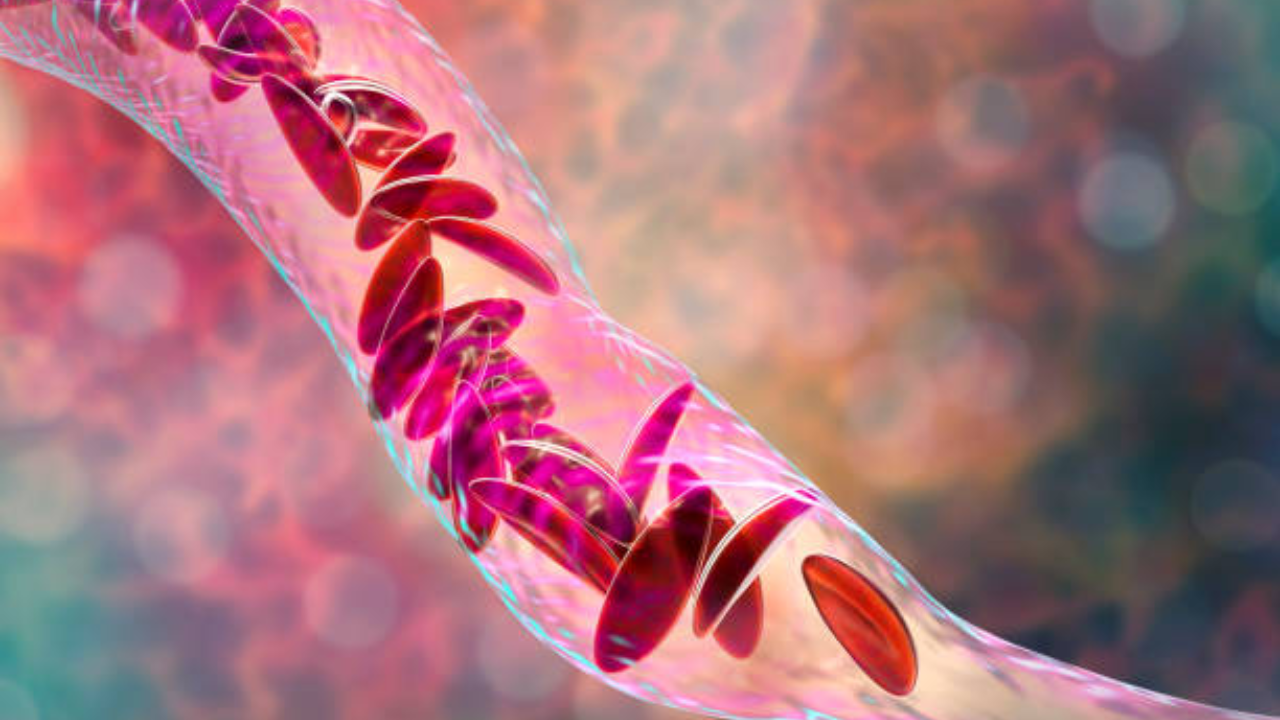
Every year, approximately 150,000 to 200,000 children are born with sickle cell disease in India. India ranks second when it comes to this disease burden and about 50-80 percent of the patients struggle to reach the age of five. According to the Indian Journal of Medical Research, India is home to over 20 million patients with sickle cell disease but even though this inherited blood illness is so common, it is still largely unaddressed. With the highest prevalence among tribal and non-tribal ethnic groups in regions known as the sickle cell belt, the need for awareness, advocacy, and improved treatment accessibility has never been more critical.
Sickle cell disease is a genetic blood disorder in which red blood cells forms an abnormal shape, which can block blood vessels and restrict oxygen flow to essential organs which in turn, leads to severe pain, anaemia, stunted growth, and damage to various organs. First described in the Nilgiri Hills of northern Tamil Nadu in 1952, the sickle cell gene is now known to be widespread among people of the Deccan plateau of central India with a smaller focus in the north of Kerala and Tamil Nadu. The highest prevalence of this disease in India is seen among tribal and some non-tribal ethnic groups, particularly in regions known as the sickle cell belt, which includes Madhya Pradesh, Chhattisgarh, Maharashtra (Vidarbha and Marathwada), Kerala (Wayanad), Gujarat, Tamil Nadu, and Odisha. The prevalence of sickle cell carriers among different tribal groups ranges from 1 to 40 percent. With an estimated five million carriers, the need for comprehensive strategies to combat this disease is evident.