
Get all your news in one place.
100’s of premium titles.
One app.
Start reading
Frugal Gardening
Frugal Gardening
Brandon Marcus

How Root Vegetables Store Nutrients Differently in Autumn

Image Source: Shutterstock

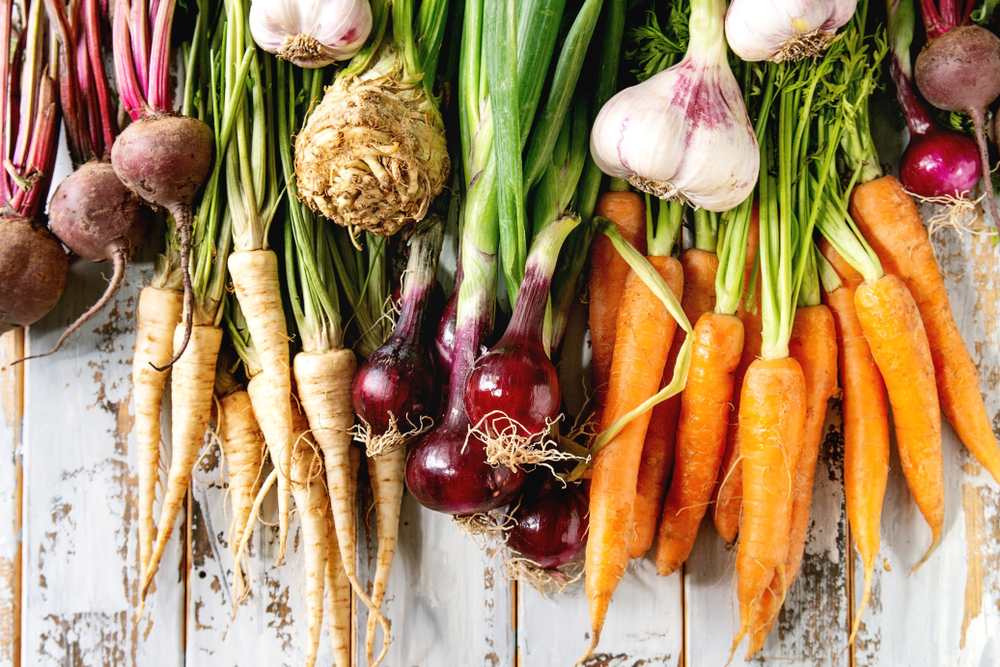
If carrots, beets, and turnips could talk, autumn would be their favorite season. While most plants are winding down for winter, root vegetables are secretly powering up—pulling in nutrients, sugars, and minerals like they’re stocking a pantry for the cold months ahead. Beneath the soil, a biochemical party is happening.

The air cools, the leaves fade, and those humble roots get sweeter, denser, and more nutrient-packed than ever. It’s nature’s quiet magic—one that turns underground vegetables into the unsung heroes of fall harvests.

Cooler Weather Means Slower Growth, But Smarter Storage

When temperatures drop, root vegetables switch strategies. Instead of focusing on leaf growth, they channel their energy downward, converting sunlight and soil nutrients into long-term storage compounds. This is when they start packing in sugars, starches, and vitamins that help them survive winter—and make them taste incredible on your dinner plate. The slower growth means less water and more concentrated flavor, which is why autumn-harvested carrots and beets taste so much sweeter. Essentially, cool air tells the plant, “Winter’s coming—time to stock up!”

Sugar Rush: How Roots Turn Starch Into Sweetness

One of the coolest transformations in autumn happens at the molecular level. As nights get colder, enzymes inside root vegetables break down starch into simple sugars like glucose and fructose. This process acts like natural antifreeze, preventing the roots from freezing solid underground. The bonus for us? That transformation gives fall roots their signature sweetness—turnips become mellow, parsnips taste caramelized, and carrots develop that irresistible snap of flavor. The colder it gets (within reason), the tastier your veggies become.

Minerals Move Underground for Safe Keeping

Above-ground plants shed their leaves in autumn, but the nutrients don’t vanish—they migrate. Minerals like potassium, magnesium, and calcium flow down into the roots, where they can be stored safely away from frost. This process ensures that the plant can spring back to life when warm weather returns. For us, that means the roots we harvest in autumn are bursting with essential minerals that keep bones strong and nerves calm. Nature basically turns the root zone into a nutrient vault.

Autumn Roots Build Better Fiber and Antioxidants

Root vegetables harvested in autumn aren’t just richer in minerals—they’re structurally tougher and healthier, too. The stress of colder temperatures triggers the plant to produce more fiber, polyphenols, and antioxidants to protect its cells. That means the same chill that makes you grab a jacket helps carrots and beets strengthen their defenses—and boosts their nutritional value for you. Those extra compounds act like internal armor for the plant and powerful anti-inflammatory agents for your body. In short, fall’s cool weather literally toughens up your veggies in all the right ways.

The Soil Plays a Huge Role in Nutrient Storage

Here’s a fun twist: autumn soil is the perfect environment for nutrient transfer. Cooler, moister earth helps minerals dissolve more efficiently, allowing roots to absorb what they need before winter sets in. That’s why farmers love fall harvesting—plants are operating at peak nutrient absorption. Meanwhile, the soil’s microbial life slows down just enough to stabilize organic compounds, meaning fewer nutrients are lost. The result? Root vegetables that act like little nutrient batteries, storing energy and minerals with remarkable efficiency.

Image Source: Shutterstock

Carrots, Beets, and Turnips: Each with a Different Strategy

Not all root vegetables play the nutrient game the same way. Carrots focus on sugar buildup, which explains their candy-like sweetness in late fall. Beets, on the other hand, store more betalains—powerful antioxidants that give them their rich, ruby-red color. Turnips and radishes prioritize storing glucosinolates, sulfur-based compounds that contribute to their spicy, earthy flavor. Each plant species fine-tunes its chemistry to survive the cold, creating a delicious variety of nutrients, colors, and tastes that make autumn produce irresistible.

Why Autumn-Harvested Roots Taste So Much Better

If you’ve ever wondered why fall farmers’ markets smell sweeter and earthier, it’s not just nostalgia—it’s biochemistry. The natural sugars and amino acids that accumulate in roots during cold nights create a depth of flavor no summer harvest can match. The texture changes, too: fibers become tender, and the moisture balance evens out, making roasted veggies caramelize beautifully. This is why chefs and home cooks alike swear by autumn produce for stews, soups, and side dishes. In other words, cooler weather turns your root veggies into natural flavor bombs.

The Hidden Survival Strategy Beneath the Frost

While we enjoy the harvest, these roots are quietly performing survival miracles underground. Storing nutrients isn’t just about flavor—it’s about endurance. By concentrating sugars and vitamins, roots lower their freezing point and maintain enough stored energy to sprout again when spring arrives. They’re like nature’s own energy bars, built to withstand frost, drought, and even nibbling critters. The fact that humans get to harvest and eat them is just a lucky side effect of evolution’s brilliance.

How Storing Nutrients Changes Their Nutrition for Us

When root vegetables concentrate nutrients for survival, those benefits pass straight to us. Autumn-harvested roots tend to be denser in complex carbohydrates, dietary fiber, and vitamins like C and A. These nutrients help strengthen immunity during the colder months—exactly when your body needs them most. Plus, the natural sugars make them easier to digest and more versatile for cooking. It’s no coincidence that comfort food season aligns perfectly with peak root vegetable season—your body craves what nature provides.

The Underground Miracle of Autumn

Next time you bite into a roasted carrot or mashed parsnip, remember—you’re tasting the result of months of clever biology. Autumn isn’t just harvest season; it’s transformation season for root vegetables, where they master the art of nutrient storage like true survivalists. Every cold night, every crisp morning, pushes more sweetness and strength into the soil’s depths. Nature, once again, proves it knows exactly what it’s doing.

Have a favorite fall root recipe or growing story? Share your thoughts, experiences, or gardening wisdom in the comments below—we’d love to hear how you celebrate the underground magic of autumn.

You May Also Like…

How Frost Can Sweeten Certain Vegetables Overnight

14 Nutrient-Dense Vegetables to Grow in Your Garden

How Earthworms Work Harder in Fall Soils

8 Garden Myths That Fail in Autumn Weather

Why Overripe Fruits Invite More Fall Pests


The post How Root Vegetables Store Nutrients Differently in Autumn appeared first on Frugal Gardening.

Sign up to read this article
Read news from 100’s of titles, curated specifically for you.
Already a member? Sign in here
Related Stories
Top stories on inkl right now
One subscription that gives you access to news from hundreds of sites
Already a member? Sign in here
Our Picks
Fourteen days free
Download the app
One app. One membership.
100+ trusted global sources.