Scientists who worked out how to control brain cells with light have won this year’s Nobel prize in physiology or medicine. Karl Deisseroth, Peter Hegemann and Georg Nagel were honoured for their research into “light-gated ion channels and optogenetics”.
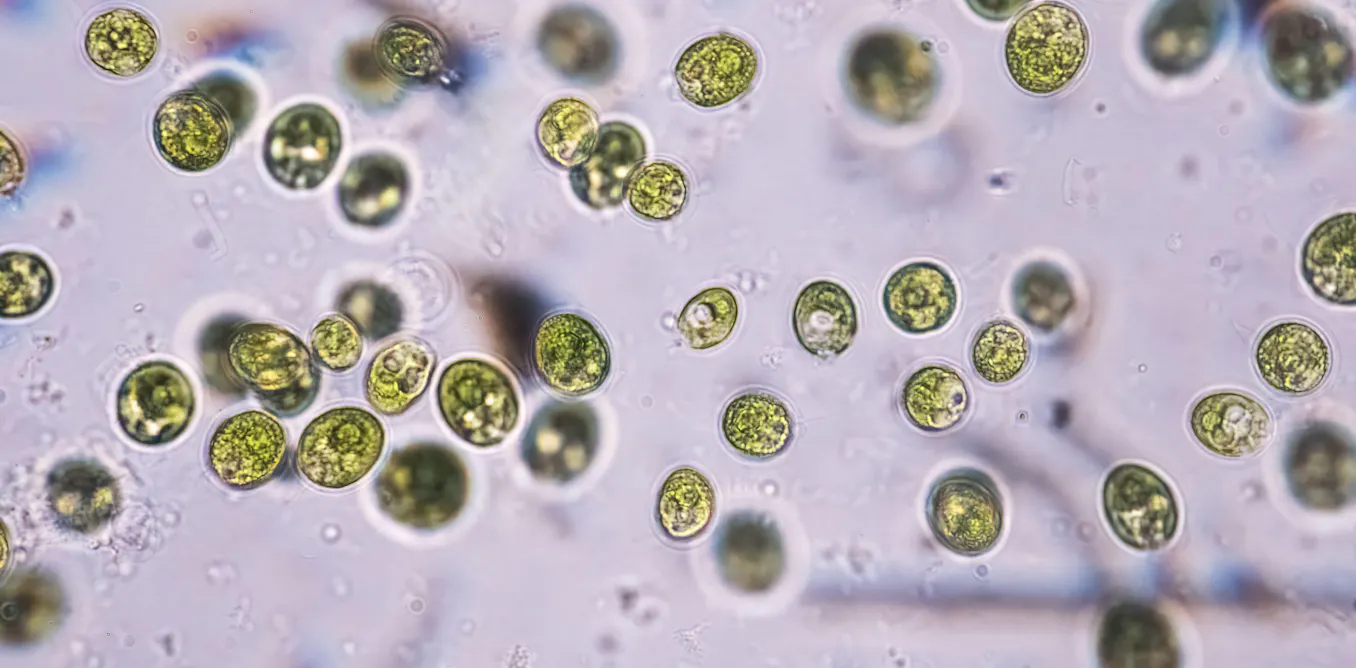
Peter Hegemann, at Humboldt University of Berlin, and Georg Nagel, at the University of Würzburg, wanted to understand how a tiny, single-celled alga called Chlamydomonas senses light. Light-sensing is not unique to animals with eyes: organisms throughout the living world use light to detect their surroundings and respond to changes in their environment. Even single-cell organisms have proteins that respond to light. These proteins are used to move towards or away from light, to generate energy and to respond to the various demands of a 24-hour day.