Get all your news in one place.
100's of premium titles.
One app.
Start reading
The Conversation
The Conversation
Prakash Nagarkatti, Professor of Pathology, Microbiology and Immunology, University of South Carolina

How pollution and the microbiome interact with Tregs, the immune system regulators whose discovery was honored with the Nobel Prize

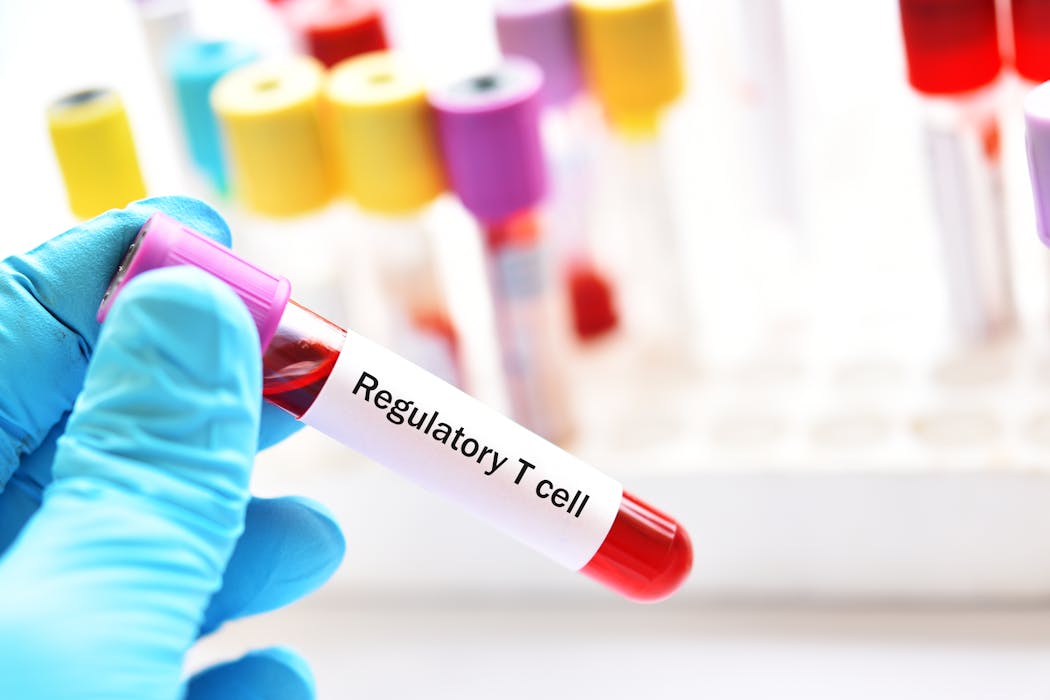
Treg cells have been thrust into the limelight thanks to the Nobel Prize-winning work of a team of researchers from the U.S. and Japan. jarun011/iStock via Getty Images Plus

A special group of immune cells known as regulatory T cells, or Tregs for short, became an overnight sensation when a trio of U.S. and Japanese scientists won the Nobel Prize in physiology or medicine on Oct. 6, 2025, for their discovery and elucidation of these cells.

Treg cells act as the “master regulators” of the immune system – much like conductors leading an orchestra – ensuring that all other immune cells work in harmony. People with too few or defective Treg cells often develop autoimmune diseases, where unchecked immune cells mistakenly attack the body’s own tissues or organs. Yet when Treg cells become too numerous, people can become more susceptible to cancer and infections.

Sign up to read this article
Read news from 100's of titles, curated specifically for you.
Already a member? Sign in here
Related Stories
Top stories on inkl right now
One subscription that gives you access to news from hundreds of sites
Already a member? Sign in here
Our Picks
Fourteen days free
Download the app
One app. One membership.
100+ trusted global sources.