The Middle East plays a central role in global energy and therefore global markets. As tensions escalate and the strait of Hormuz, a key trade route, faces disruption, headlines assessing the wider impact of the Iranian conflict often centre on oil and gas supply.
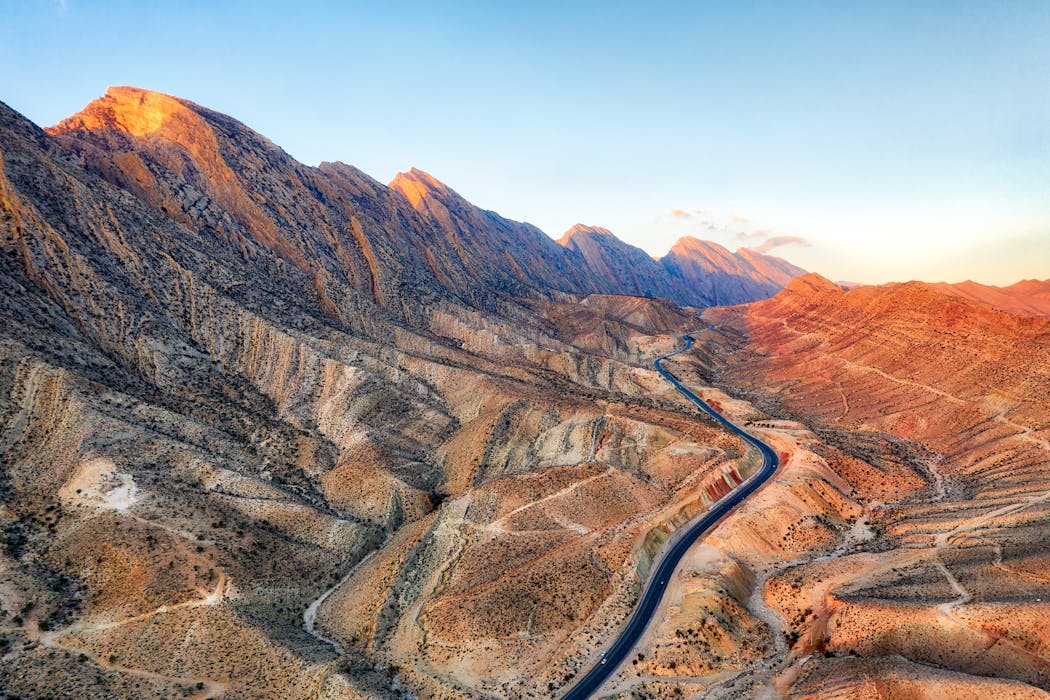
There’s one underlying reason that so many oil tankers and liquefied natural gas (LNG) cargoes pass through the strait, and that Middle East conflict shakes global energy markets. That reason is a geological one: an extraordinary concentration of oil and gas accumulations.