
Get all your news in one place.
100's of premium titles.
One app.
Start reading
Kids Ain't Cheap
Kids Ain't Cheap
Evan Morgan

How Masking in School Leads to Burnout in Autistic Teen Girls

Teen Girls In School
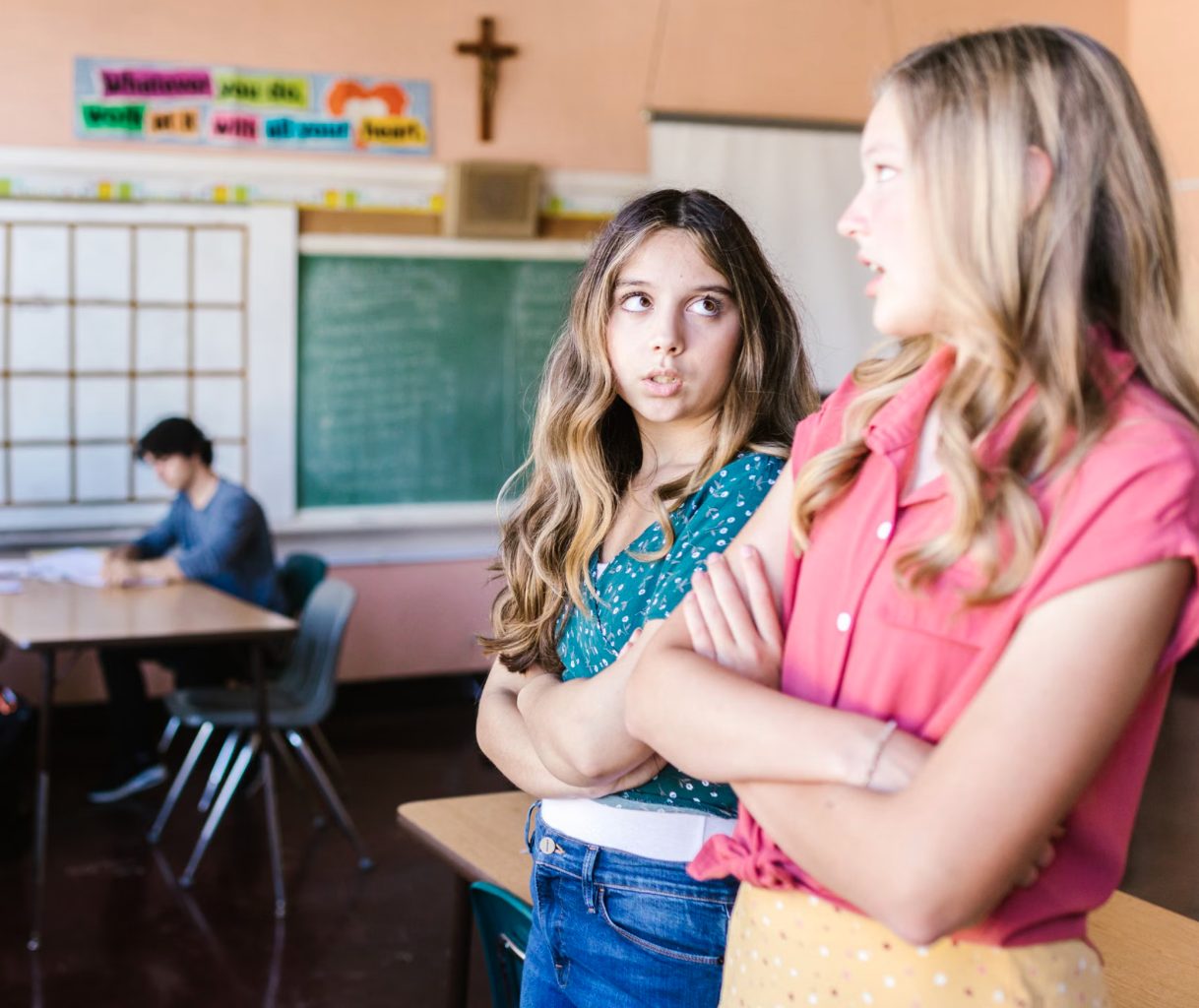
An autistic teen quietly working in a classroom while feeling emotionally exhausted illustrates how masking can hide significant mental strain. Recognizing the signs of autistic burnout can help families and schools provide earlier, more effective support. (Pexels).

Many autistic teen girls appear to thrive at school, earning good grades, maintaining friendships, and following classroom expectations. Behind that outward success, however, some spend every school day carefully hiding autistic traits to fit in with classmates and teachers. This effort, known as masking, can become mentally and emotionally exhausting over time. Mental health professionals and autism researchers increasingly recognize that prolonged masking may contribute to anxiety, depression, and autistic burnout, making early awareness and support especially important.

What Is Masking and Why Do Autistic Teen Girls Do It?

Masking refers to consciously or unconsciously hiding autistic behaviors to appear more socially typical. This may include forcing eye contact, rehearsing conversations, copying peers’ facial expressions, suppressing stimming, or pretending to understand confusing social situations. Many autistic girls begin masking at a young age because they notice social expectations and fear being judged, excluded, or bullied. While masking can help them blend in temporarily, it often comes at a high emotional cost. Experts note that girls are more likely than boys to be overlooked for an autism diagnosis because successful masking can hide challenges from teachers, parents, and even healthcare providers.

How School Environments Can Intensify the Pressure

The typical school day requires constant social interaction, frequent transitions, sensory tolerance, and quick communication. For an autistic teen who is masking, every class period may involve monitoring body language, facial expressions, and speech while also keeping up academically. Imagine a student who smiles through loud lunch periods, group projects, and crowded hallways, only to feel completely drained after getting home. Parents may mistakenly believe their child is doing well because the emotional strain often appears only after school. Over weeks, months, or years, that constant performance can significantly increase stress and emotional fatigue.

When Masking Turns Into Autistic Burnout

Autistic burnout is more than ordinary tiredness after a busy week. Researchers describe it as a state of intense physical, emotional, and mental exhaustion caused by prolonged stress and the ongoing effort to meet demands that exceed a person’s capacity. A teen experiencing burnout may struggle with concentration, lose previously mastered skills, withdraw socially, or become more sensitive to noise and bright lights. Everyday tasks that once seemed manageable may suddenly feel overwhelming. Recovery often requires reduced demands, understanding from adults, and time to regain energy rather than simply encouraging the student to “try harder.”

Signs Parents and Teachers Should Watch For

Burnout often develops gradually, making it easy to miss until symptoms become severe. Warning signs can include frequent headaches, increased anxiety, emotional meltdowns after school, difficulty waking up, declining grades, irritability, or avoiding activities the teen once enjoyed. Some students also report feeling as though they are constantly acting or playing a role rather than being themselves. Parents and educators who notice these patterns should consider whether masking could be contributing to the problem instead of assuming laziness or defiance. Early conversations with qualified healthcare professionals experienced in autism can help identify appropriate support strategies.

Creating School Environments That Reduce Burnout

Schools can make a meaningful difference by encouraging authentic self-expression instead of rewarding constant conformity. Flexible accommodations such as quiet spaces, sensory breaks, alternative participation methods, and predictable routines can lower daily stress without lowering academic expectations. Teachers who understand that autistic students communicate differently may also reduce the pressure to maintain constant eye contact or participate in every social activity. Families benefit from creating calm recovery time after school rather than filling every afternoon with additional obligations. When teens feel accepted for who they are, the need to mask often decreases, supporting both mental health and long-term academic success.

The Real Goal Is Supporting Authentic Success

Success should not require autistic teen girls to hide their identities every day simply to fit into school culture. Recognizing the signs of masking and understanding its connection to autistic burnout allows parents, teachers, and healthcare providers to intervene before emotional exhaustion becomes overwhelming. Small changes in understanding, accommodations, and acceptance can make a lasting difference in a student’s well-being and confidence. As awareness grows, more girls are receiving accurate diagnoses and accessing support that reflects their real experiences rather than the appearance they present at school. Helping autistic teens succeed as themselves—not as someone they feel pressured to imitate—is one of the most valuable forms of support adults can provide.

What changes do you think schools should make to better support autistic students without expecting them to hide who they are? Share your thoughts and experiences in the comments below—we’d love to hear your perspective.

What to Read Next

Therapists Warn More Kids Are Showing Signs of “Masking Fatigue” After School

School Counselors Say More Children Are Masking Autism Symptoms Until Burnout Hits

The Code Words Schools Use When Denying Services

The post How Masking in School Leads to Burnout in Autistic Teen Girls appeared first on Kids Ain't Cheap.

Sign up to read this article
Read news from 100's of titles, curated specifically for you.
Already a member? Sign in here
Related Stories
Top stories on inkl right now
One subscription that gives you access to news from hundreds of sites
Already a member? Sign in here
Our Picks
Fourteen days free
Download the app
One app. One membership.
100+ trusted global sources.