The upcoming LA28 Olympic and Paralympic Games are igniting early changes across Los Angeles’ corporate event landscape. With the city preparing for high-capacity crowds and global media attention, organizations are starting to rethink everything from venue choices to audio visual logistics. The influence of LA28 is already being felt in planning conversations throughout the region.
The anticipation of LA28 is transforming how Los Angeles businesses approach corporate events, even several years ahead of the Games. Companies, venues, and suppliers are adapting strategies to handle increased demand, stricter regulations, and evolving guest expectations. This early impact can be seen in booking patterns, technology adoption, and the way event professionals navigate local logistical challenges. As LA gears up to welcome the world, corporate organizers are embracing innovation, flexibility, and new standards to stay competitive and relevant in the lead-up to 2028.
Rising competition for venues and resources
The announcement of LA28 has led to a surge in demand for event spaces, with local businesses facing heightened competition to secure prime venues throughout Los Angeles. Companies planning high-profile launches, annual meetings, or incentive events are booking sites further in advance to secure locations near future Olympic activity centers. Venues that might have booked six months out are now seeing inquiries one to two years ahead.
Not only are venue calendars tighter, but resources such as AV gear, staging, and technical crews are also getting reserved earlier. This pressure is particularly acute for large downtown hotels, iconic studios, and convention spaces. For example, a tech company planning a summer 2027 product launch may find that traditional event windows overlap with Olympic test events or infrastructure upgrades, forcing them to seek alternative locations or adjust dates. Planners must anticipate possible disruptions to transport and access long before the Games begin.
The scarcity of available venues has also driven up pricing across the market, with some premium locations implementing Olympic-era rate structures years in advance. Corporate clients are finding that negotiating favorable contracts requires earlier commitments and longer booking windows than ever before. Additionally, smaller boutique venues and non-traditional spaces are experiencing unprecedented interest as companies seek alternatives to the crowded downtown corridor. Rooftop terraces, warehouse conversions, and outdoor settings in neighborhoods like Arts District and Culver City are becoming strategic choices for organizations looking to avoid Olympic zone congestion while still delivering memorable experiences. For planners comparing nearby markets, Long Beach, California is another regional option that can keep events connected to the broader LA area while easing downtown pressure. This shift is encouraging venue diversification and pushing event planners to explore creative solutions beyond conventional hotel ballrooms and conference centers.
The competitive landscape has also sparked collaboration between corporate clients and venue operators to create custom packages that guarantee access during peak Olympic periods. Some companies are entering into multi-year agreements that lock in preferred dates and pricing, while others are exploring shared-use arrangements with complementary organizations to maximize resource efficiency. This strategic approach extends beyond physical spaces to include exclusive partnerships with premier AV providers, catering services, and transportation companies. The most forward-thinking organizations are treating venue and vendor relationships as long-term investments rather than transactional arrangements, recognizing that loyalty and early commitment will be rewarded with priority access when demand reaches its peak in 2027 and 2028. This shift toward partnership-based planning represents a fundamental change in how corporate events are structured in the Los Angeles market.
Technological innovation driven by global standards
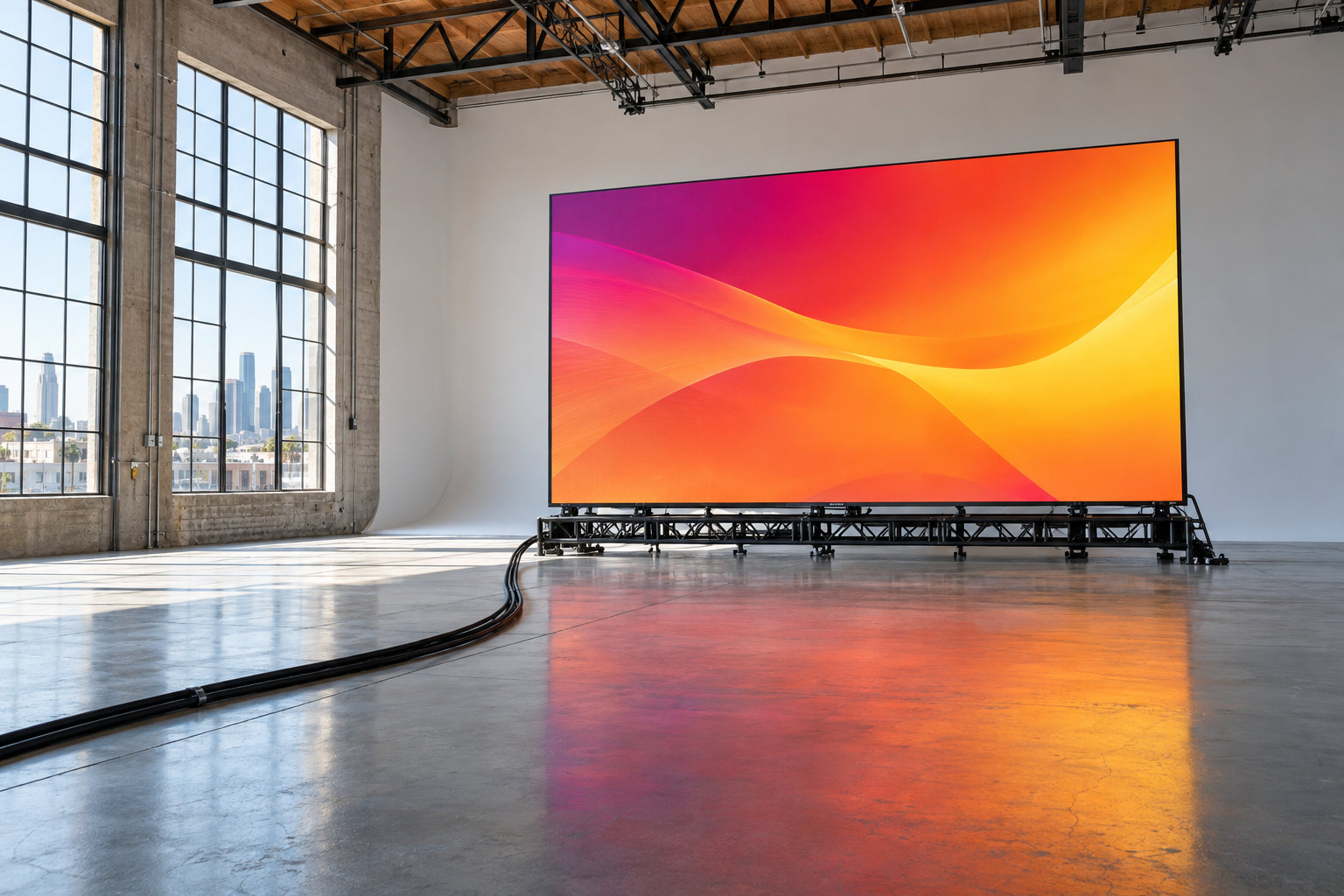
With Olympic-level expectations on the horizon, Los Angeles event clients are investing in next-generation AV experiences to wow both in-person and virtual participants. Planners want immersive LED displays, advanced live streaming, and interactive hybrid elements tailored for global audiences. The adoption of sophisticated solutions is accelerating as the city prepares to deliver Olympic-caliber experiences not only at sporting venues but also at private corporate events.
This trend has pushed local suppliers to expand their technical inventories and capabilities. Vendors offering audio visual services in Los Angeles are scaling up to support larger, more complex productions and ensuring their teams stay versatile. For instance, multi-site events held across both traditional ballrooms and pop-up Olympic-branded spaces require seamless integration of video, audio, and streaming infrastructure. Attention to redundancy, backup power, and wireless spectrum management has grown as planners prepare for overlapping media needs and increased RF congestion common during international events.
Beyond hardware upgrades, the LA28 effect is accelerating the integration of artificial intelligence and data analytics into corporate event production. Planners are leveraging AI-powered tools for real-time audience engagement tracking, personalized content delivery, and predictive logistics management. Virtual reality experiences and augmented reality activations are moving from novelty to expectation, particularly for product launches and experiential marketing campaigns. The demand for 5G connectivity and cloud-based production workflows has surged as companies prepare for hybrid events that can scale globally. This technological leap is creating new partnerships between traditional AV providers and tech innovators, resulting in more sophisticated service offerings that blend broadcast-quality production with interactive digital experiences designed for the social media age.
New logistical and regulatory challenges in event planning
Preparing for LA28 brings additional logistical hurdles that impact every layer of corporate event organization. Road closures, restricted zones, and security protocols associated with the Olympics are already influencing how companies model transportation, guest access, and schedule tight-turnover bookings. Planners must now build greater flexibility into timelines and incorporate contingency plans for shifting local regulations.
Union labor considerations and city-mandated safety practices are under even closer scrutiny as venues prepare for compliance with event regulations specific to the Games. Coordination between AV, staging, catering, and site logistics requires greater communication, especially as many events will need to adapt to limited load-in times or sudden infrastructure changes. As a recent example, an LA conference held during a major city event required crews to adjust delivery times to comply with downtown street closures, a scenario expected to become more common as LA28 nears. These evolving constraints necessitate proactive planning and agile responses so that local business events can maintain high quality and reliability under new conditions.
Long-term legacy and evolving expectations
The changes driven by LA28 are reshaping what local companies and attendees expect from the Los Angeles corporate event market. With increased exposure to world-class production standards, organizations are raising the bar for creativity and execution. Attendees are coming to anticipate seamless technology integration, curated experiences, and rapid response to challenges, lessons learned from major international events.
For vendors, planners, and venues, the lead-up to LA28 serves as a proving ground for innovative solutions and resilient operations. By adapting to a new reality of global attention and rapid shifts in demand, Los Angeles’ corporate event professionals are helping the city redefine itself as a premier destination well before the Olympic flame arrives. These efforts will shape the industry for years to come, leaving a legacy that extends beyond 2028 and continues to influence the region’s reputation for world-class events.