
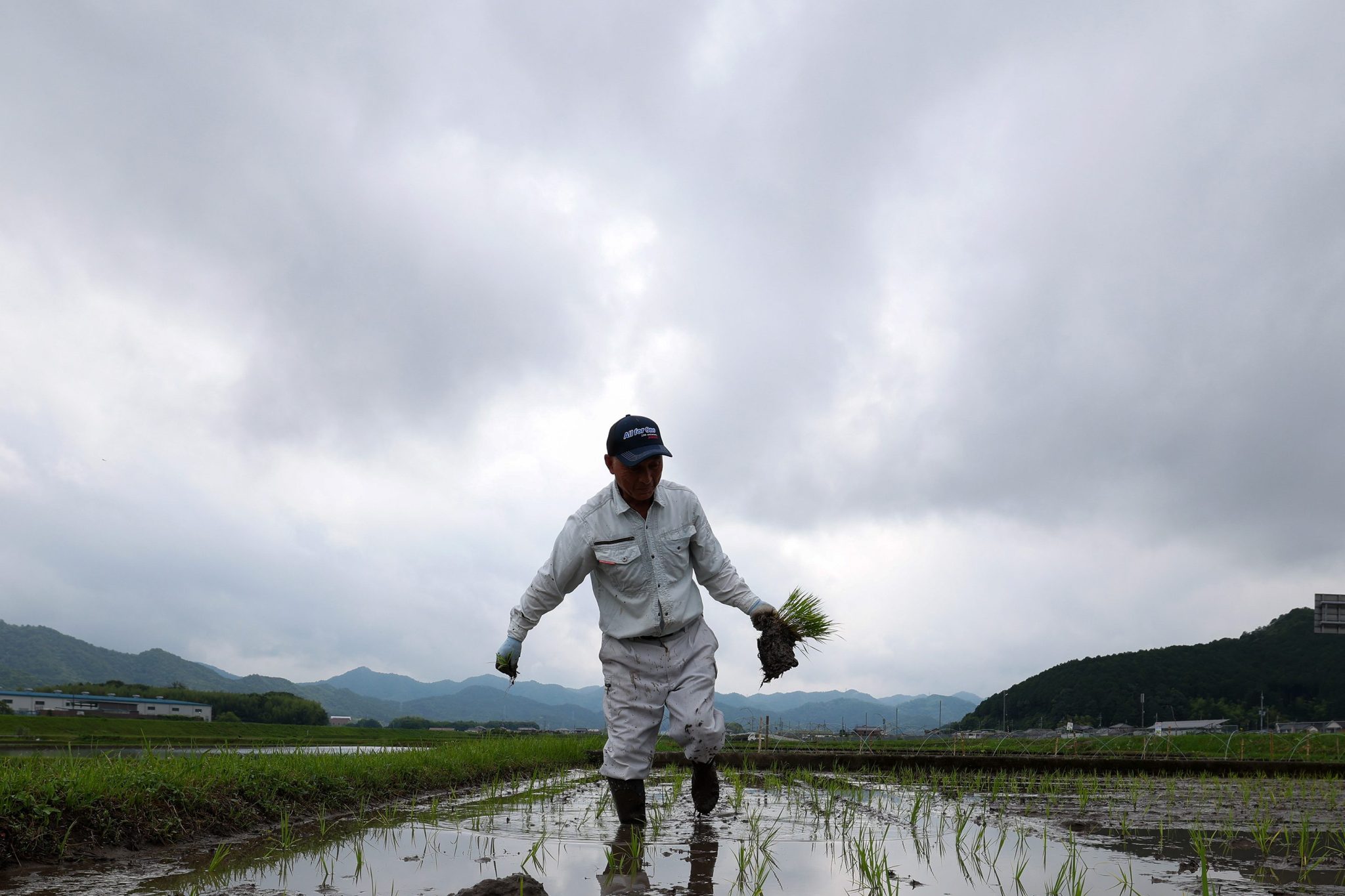
In 2023, extreme heat and drought damaged Japan’s rice crop, and a year later, that damage turned into a national shortage so severe, it forced a government minister to resign. By 2026, Japan had swung so far in the opposite direction that it was sitting on a record surplus, forcing the government to buy rice back off the market to keep prices from collapsing further. It’s still a wonder to the people who study it: how on earth did Japan go from shortage to surplus in two years?
“Every expert is actually surprised by this fluctuation,” Ryosuke Inoue, a visiting fellow at the CSIS Japan Chair in Washington, D.C., told Fortune. Inoue, an expert in Japanese agricultural policy, said even he didn’t see the scale of the swing coming. “The supply-demand gap was there, but it’s not such a huge gap. It could happen, and it could happen also in the United States. But in the U.S., the price fluctuation is not so high.”