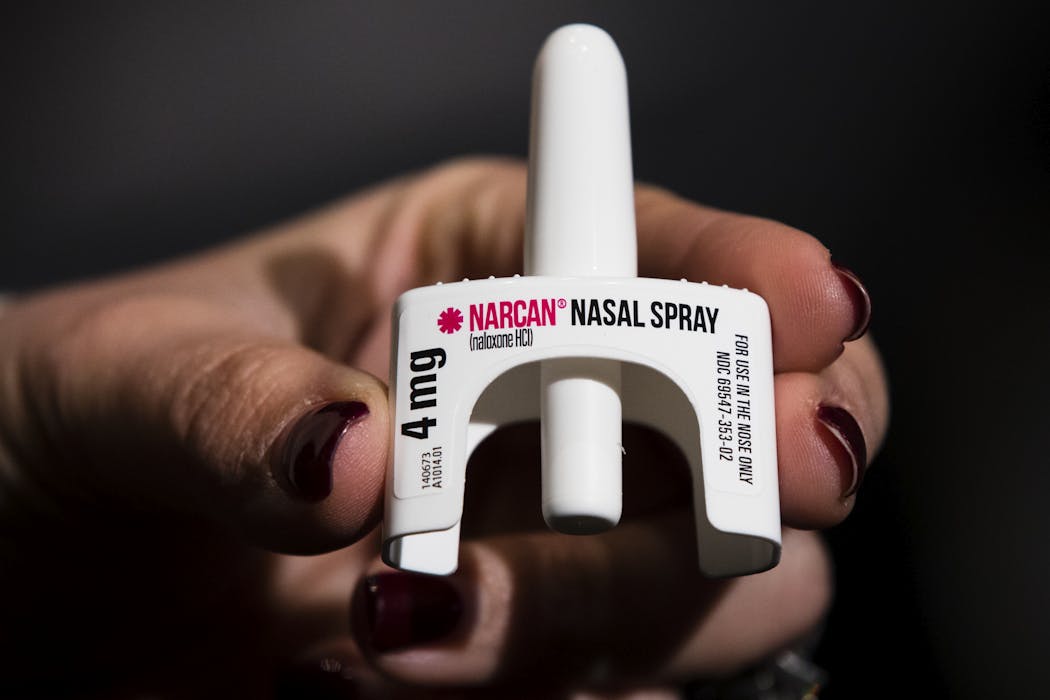
Naloxone, also known by the brand name Narcan, is one of the most important drugs in the United States’ fight against the opioid crisis. It reverses an opioid overdose nearly instantly, restarting breathing in a person who was unresponsive moments before and on the brink of death. To bystanders witnessing it being administered, naloxone can appear almost supernatural.
Although the Food and Drug Administration approved naloxone for medical use in 1971 and for over-the-counter purchase in 2023, exactly how it works is still unclear. Researchers know naloxone acts on opioid receptors, a family of proteins responsible for the body’s response to pain. When opioids such as morphine and fentanyl bind to these receptors, they produce not only pain relief and euphoria but also dangerous side effects. Naloxone competes with opioids for access to these receptors, preventing the drugs from triggering effects in the body. How it does this at the molecular level, however, has been an ongoing question.