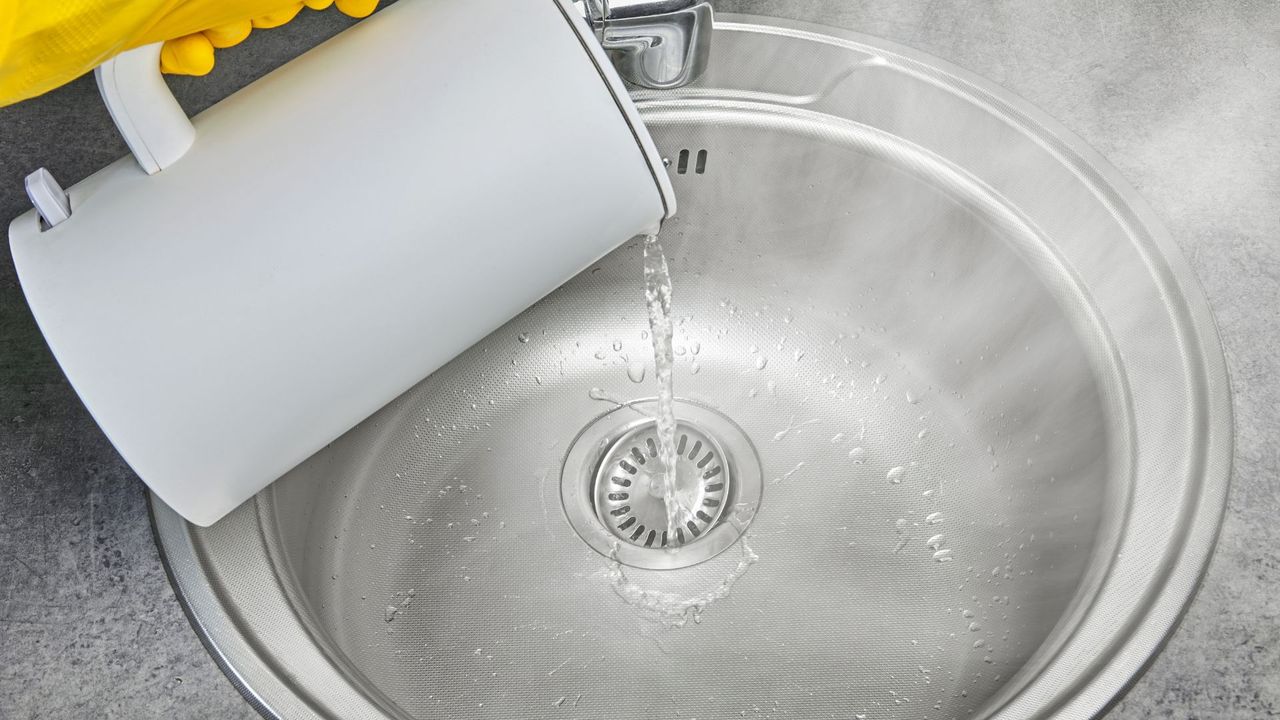
When we fear that our drains are at risk of getting clogged up or we've noticed they already are, it seems like an easy, simple and intuitive solution to pour boiling water down the drain to dislodge or disintegrate any debris in our pipes.
I want to say I'm guilty of it myself, but my husband is a plumber and just so happens to be the person who gives me the best advice.
So, I turned to him to ask: Should we be pouring boiling water down the drains, especially in the winter?
And the short answer is, no. But there's plenty more to talk about when it comes to why we shouldn't be doing it and what we should do instead. Thankfully, my plumber husband had a lot of wisdom to share.
Why you shouldn't pour boiling water down your drain
It gets incredibly cold in the winter, and that can have a big impact on the pipework in your house. And because it's colder than usual, pouring boiling water down your drains is most likely doing more harm than good.
Here's what happens, according to a plumber:
"The standard waste pipes are not designed for high temperatures. If you've got a blockage or you're concerned that you might have, if you pour boiling water down your drains, you're leaving that boiling water static in the pipes if it doesn't clear the blockage."
According to my resident expert, "If the pipes are colder than usual, they're more prone to thermal shock." What does that mean? "The pipes will expand really quickly with the boiling water, which can lead to cracking and/or splitting."
So, while you think you're solving the problem in a quick and easy way, you're actually putting your pipes at risk of breaking entirely, which is a situation you don't want in the winter.
What to do instead
While boiling water isn't the solution, my plumber husband advises steering clear of chemical unblockers, too. He says, "The same problem can occur if they get trapped in the pipes, which can lead to corrosion."
Instead, he explains that you should take these preventative steps. Firstly, avoid pouring any fat or oil down the drain. He says: "Put it in a pot and let it harden to throw it in the trash instead."
He also explains that you should avoid putting any big food waste down the drains, making sure to scoop it up and put it in the bin or in your compost.
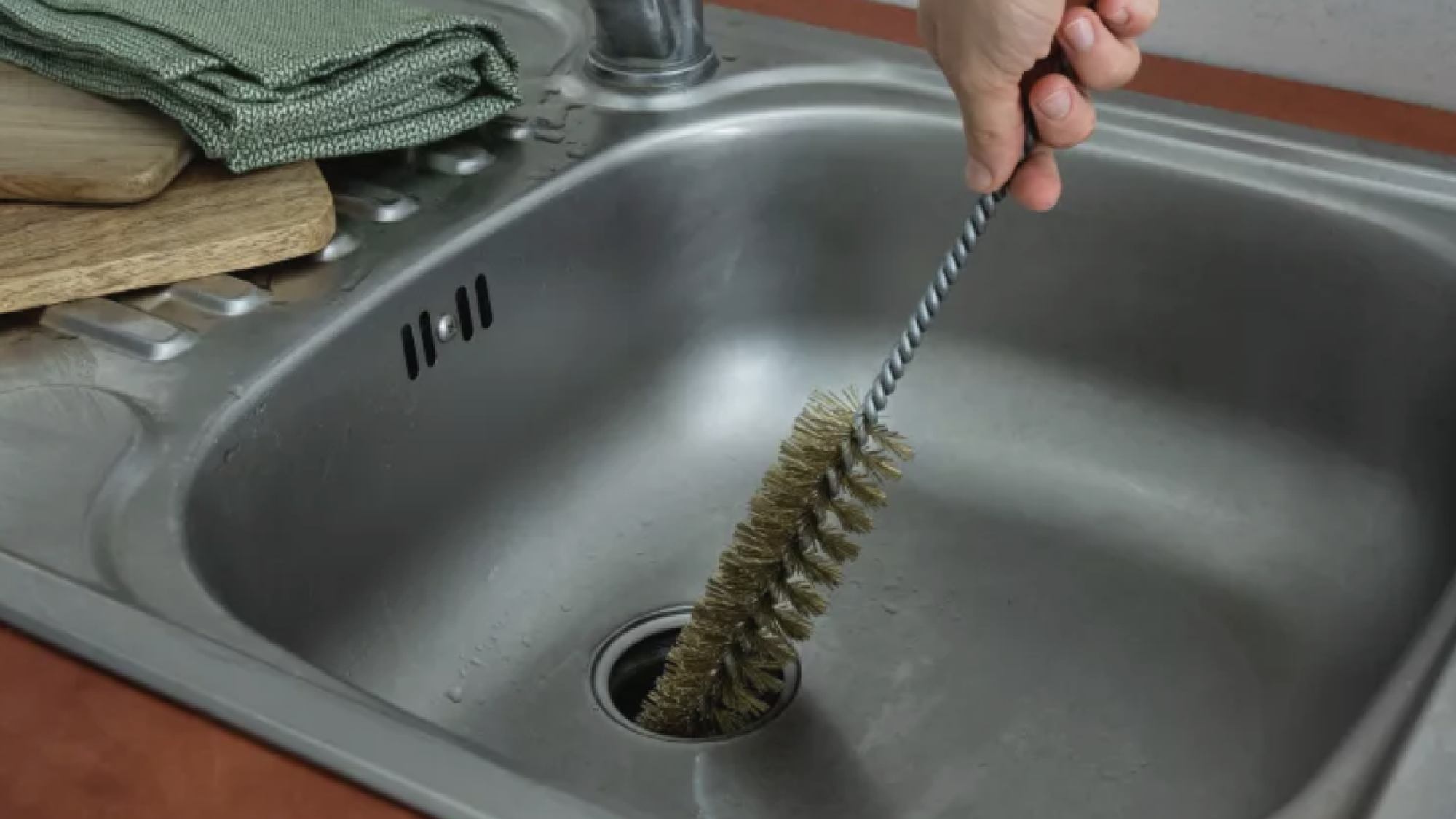
If you've already found that your sink is blocked, for a more natural solution, try a plunger, a snake drain unblocker, or call a plumber. Or, if you're looking for ways to unclog a drain without a plunger, there's a simple baking soda and white vinegar mixture that could help.
Trying to tackle the problem yourself with boiling water though, especially in the colder months, could create a situation far worse than what you started out with.

Follow Tom's Guide on Google News and add us as a preferred source to get our up-to-date news, analysis, and reviews in your feeds.