
QUICK SUMMARY
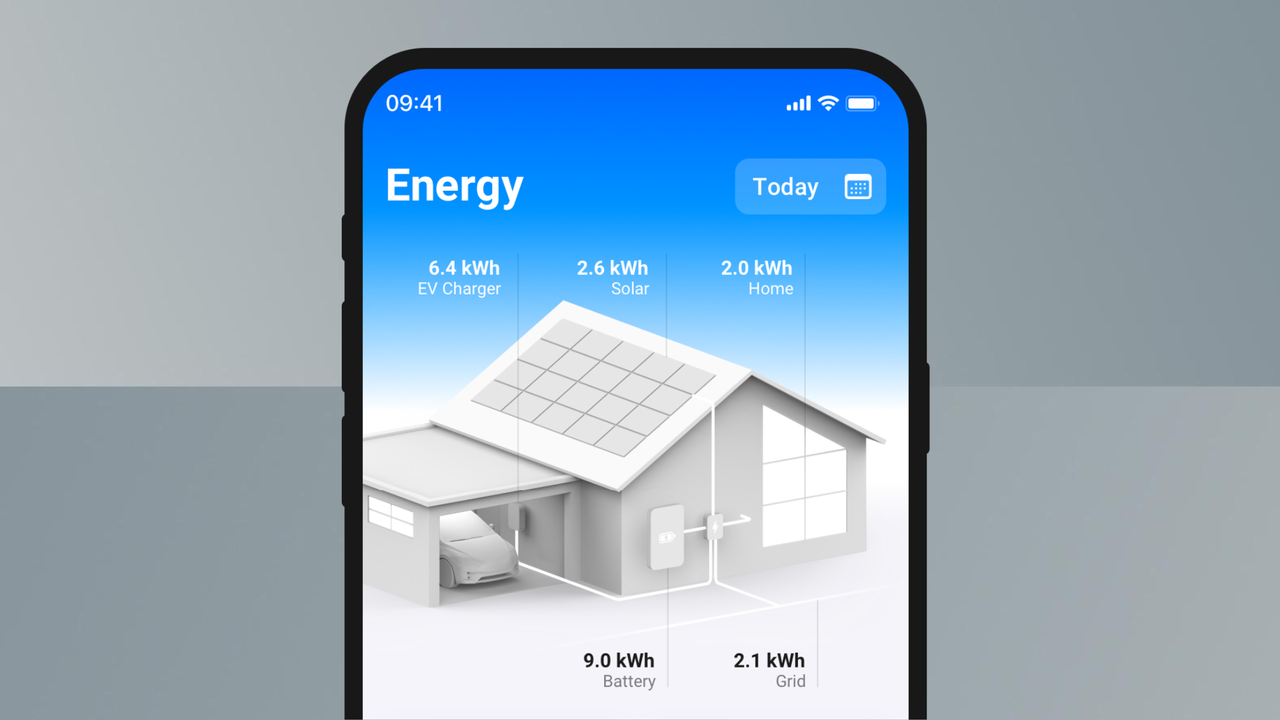
Homey has updated Homey Energy with new solar forecasting and export pricing features, giving users a clearer picture of how much electricity their panels are likely to generate and what surplus power is worth when sent back to the grid.
Homey has added two new features to Homey Energy, designed to give solar panel owners a better understanding of how much electricity they're likely to produce and what happens to the excess energy they send back to the grid.
The first is solar production forecasting, which predicts how much energy your panels should generate today and tomorrow. Homey has also introduced export pricing, so you can see what you're earning – or paying – when electricity is sent back to the grid.
Both additions are available on Homey Pro, Homey Pro mini and Homey Self-Hosted Server, whilst Homey Cloud users will need a Homey Premium subscription. You'll also need version 13.4.0 or later on Homey Pro or Homey Self-Hosted Server and version 10.1.0 or later of the Homey mobile app, and a solar panel device connected to Homey is required for the forecasting feature.
Homey recently became one of the first smart home platforms to receive Matter 1.5 certification, and these latest additions continue its push to work with a wider range of devices and setups. Plug-in solar has also just been given the green light in the UK, meaning more households could soon be looking for an easy way to keep track of exactly what they're generating.
As for how the solar production forecast actually works, Homey uses factors including local weather, your panel setup and previous energy production to estimate future output, with the forecast becoming more accurate as it gathers more data. You can also add details such as your panels' orientation, tilt and total peak power, including multiple groups if different panels face in different directions.
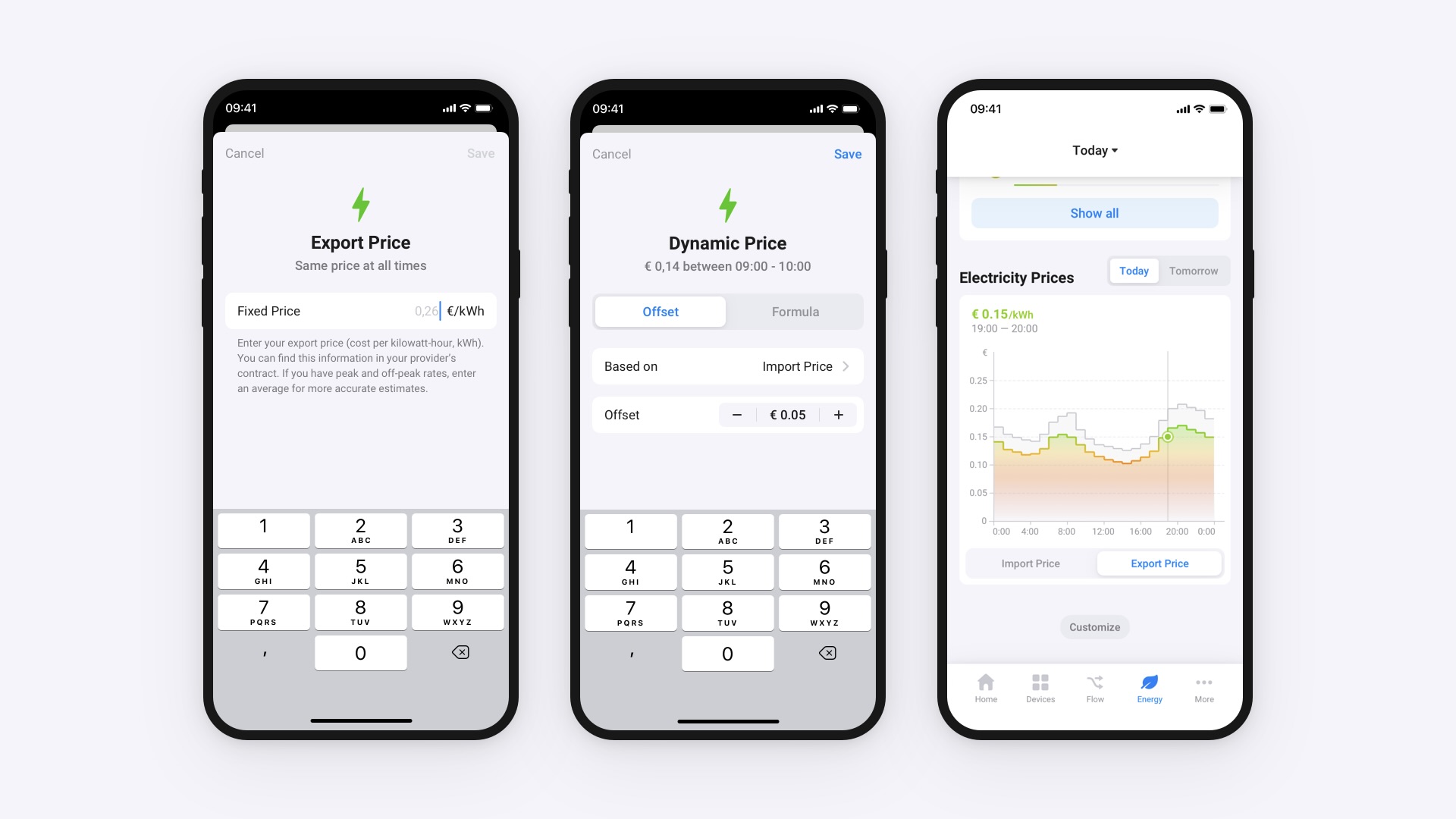
For export pricing, Homey supports both fixed and dynamic tariffs, depending on how your energy provider pays you. If your export rate stays the same throughout the day, you can simply enter a fixed price per kWh. If it changes with the time of day or market conditions, Homey can track dynamic pricing instead and automatically adjust the value as rates change.