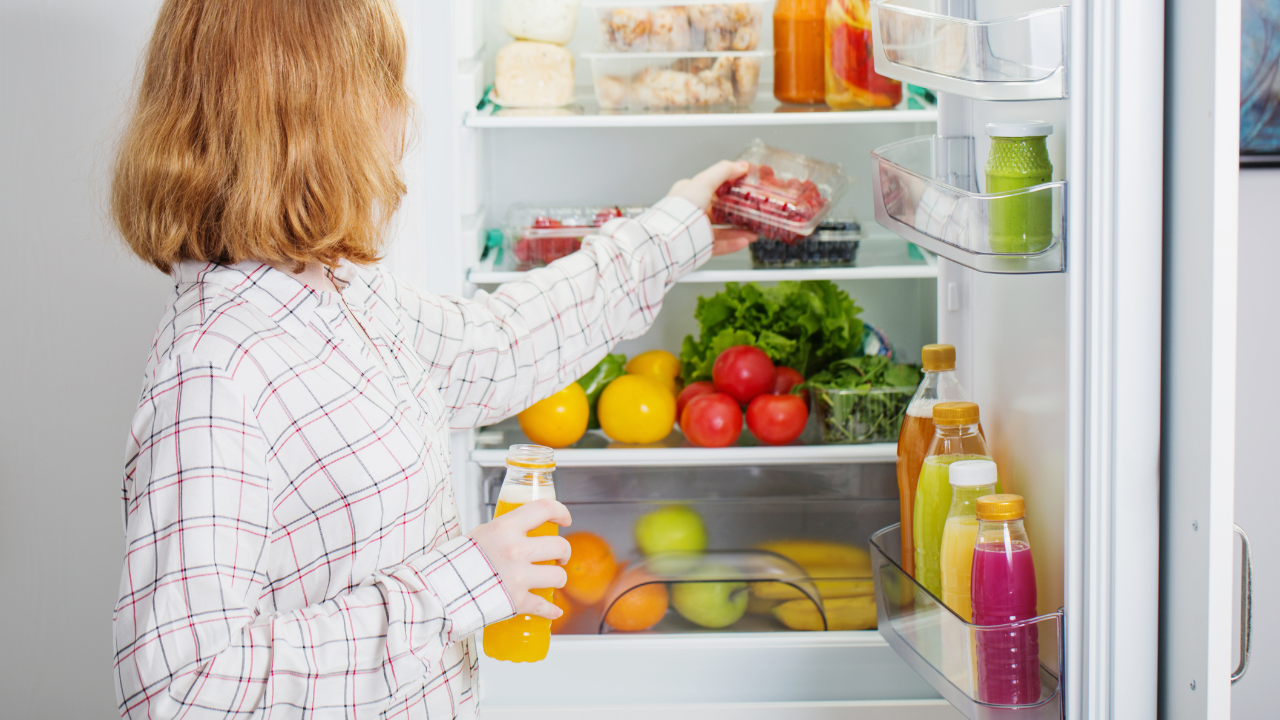
Fridge is where food is – your favorite ice cream, your leftover gravy or your milk, jam, water whatnot!
A lot of our food goes in the fridge, but do you know there can be more bacteria in your fridge than the toilet seat!? Shocking,
Recent research carried out by food hygiene experts at High Speed Training (platform offering industry-standard training courses across Safeguarding, Food Hygiene, Health & Safety, and Professional Development) found that some parts of the fridge are up to three times dirtier than a toilet seat. The research analyzed swabs taken from different areas of domestic fridges and found that the fridge door was the dirtiest area, with the highest levels of bacteria. The cleanest part of the fridge was the vegetable drawer, closely followed by the fridge shelf.
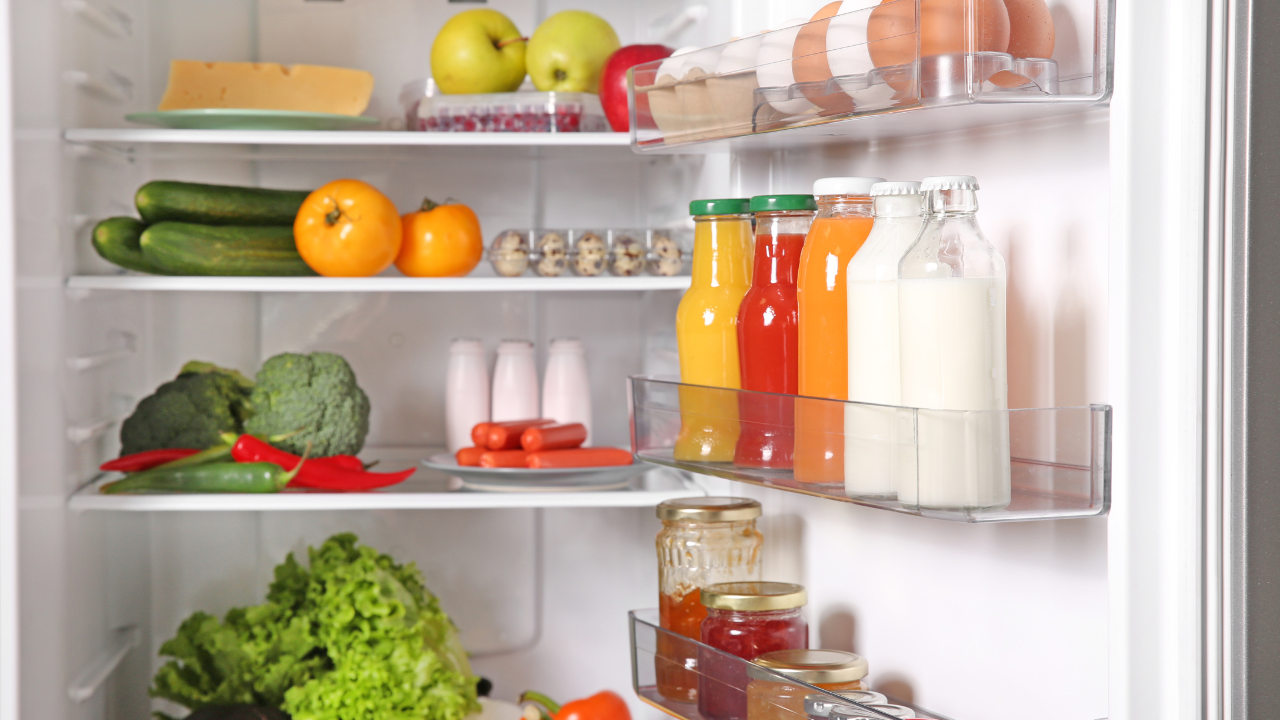
This may or may not be the case for your refrigerator, depending on how often you clean it and what you store where in the fridge.
Why the fridge door is the dirtiest
Natasha Blythe, Learning Designer and Food Hygiene Expert at High Speed Training, explained why the fridge door is the dirtiest, quoted Express UK.
Blythe explained, “Firstly, a correctly functioning refrigerator door is usually the warmest part of the fridge. Typically, bacteria thrive and grow in warmer temperatures and therefore it’s a perfect breeding ground for germs.”
Another reason behind high levels of bacteria in the fridge door could be incorrect food storage. For example, if you store milk in the fridge door, then the warm temperature of this part of the fridge may allow bacteria to grow, increasing the odds of spoilage. It is best to store milk at the back of the fridge where it’s the coldest. Many refrigerators have a designated Chiller Room/Tray for storing milk. You can move juice, mayonnaise, ketchup, jam and other jars or bottles to the front, the expert advises.
How to deep clean your fridge
Blythe recommended deep cleaning your fridge at least three times a year. “This is best done when the fridge is nearly empty, before you’re about to complete a big food shop,” she said.
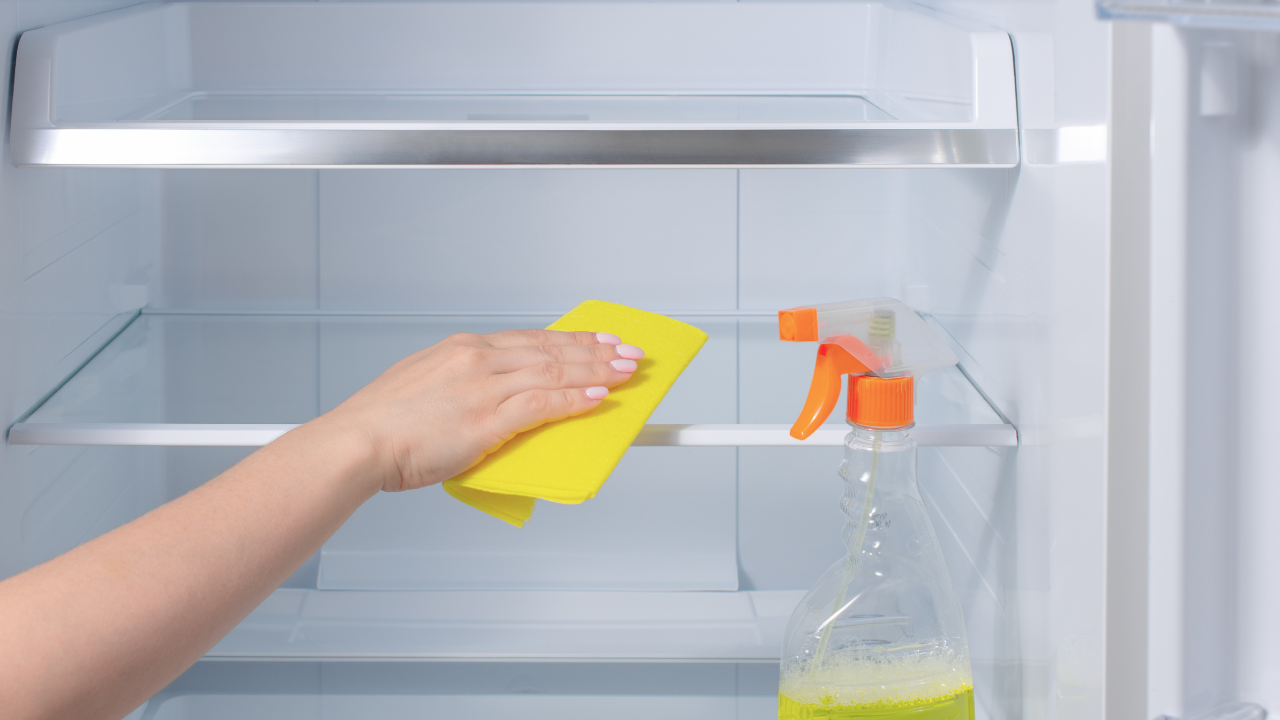
When deep cleaning the fridge, remove everything out of your fridge, including shelving and drawers. Now clean the fridge from the inside with a soapy water solution. Do not use any harsh chemicals for cleaning as they may linger in your fridge and could contaminate the food you store after finishing with the cleaning.
“Once everything is clean, it’s important that you dry all surfaces to remove any excess moisture,” Blythe says.
Remember to wash all the shelves and drawers with hot and soapy water to ensure everything is clean. Make sure you also wipe the fridge from the outside and also remove it from its location to clean the floor under it or the wall behind it.