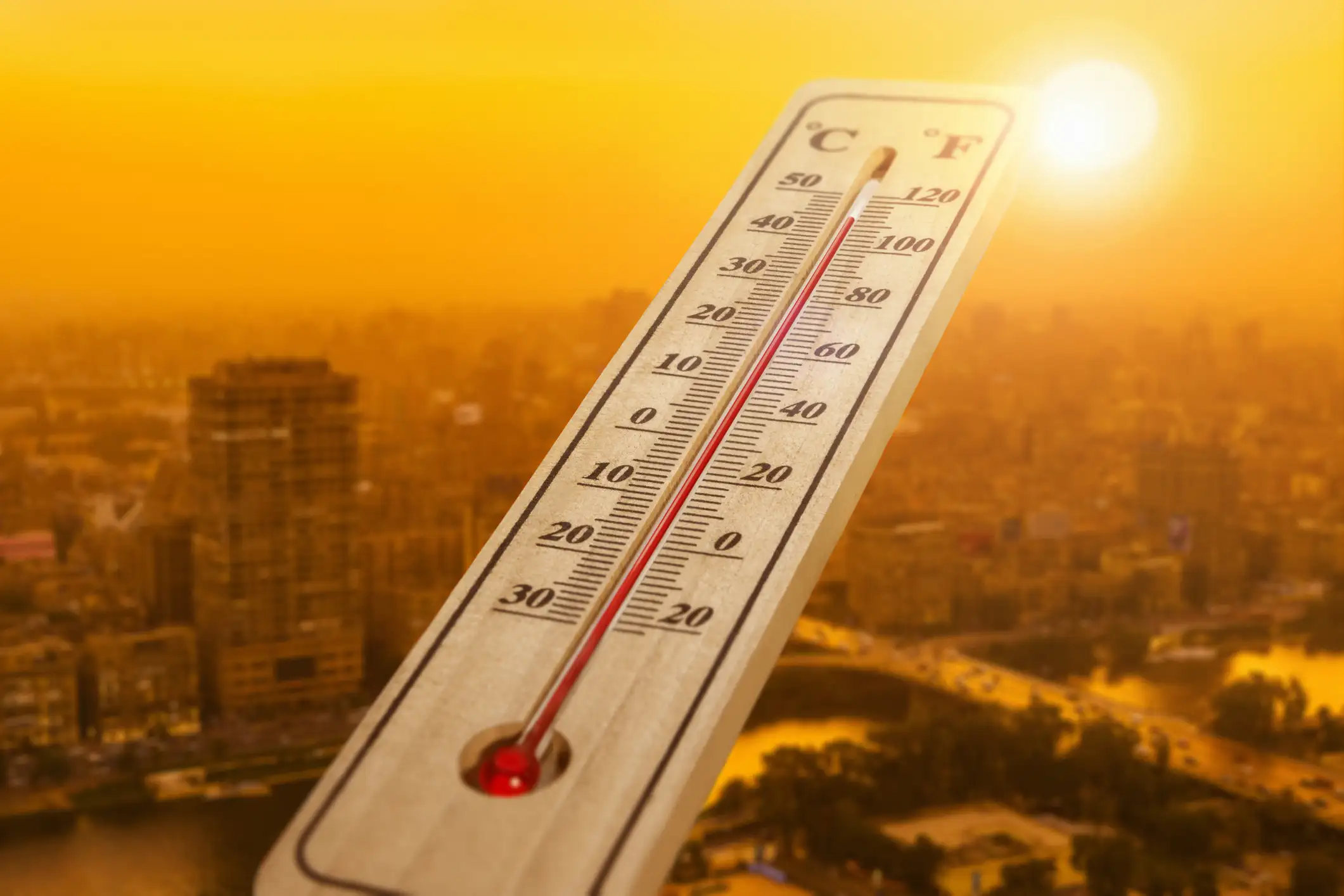
World MSME Day is being observed today, in June, a month that has increasingly come to symbolise the growing intensity of India's heatwaves. For the country's MSMEs, extreme heat is no longer a seasonal inconvenience but a serious operational risk, disrupting production, lowering productivity and raising costs. A critical economic challenge, driven by escalating climate events, requires urgent attention from both policymakers and industry.
Recent research reports by WRI India and HeatWatch have revealed how extreme heat is impacting the lives of MSME factory workers in India. Heatwaves disrupt production, damage assets, affect workers, interrupt supply chains and reduce profits. Smaller enterprises are especially vulnerable because they often lack financial resources, insurance coverage, and technical expertise to prepare for climate shocks.
In February, HeatWatch (along with TISS Mumbai) came out with a report titled ‘Breaking Point: Heat and the Garment Floor’ based on an extensive survey of 115 garment workers in Tamil Nadu and Delhi-NCR. The findings revealed that 36.5% of workers reported that the water available on the factory floor is either unclean or runs out soon. 80% reported no air movement at their workstations. 87% of workers reported facing heat-related issues such as headache, dizziness, weakness, and muscle cramps in the last 12 months. Among female workers, 96.8% reported a burning sensation during urination.
Despite this, the report said that 78% of workers skip breaks to meet targets. “Those who skip breaks have nearly doubled the stress scores of those who do not.”
WRI India released a report this June titled ‘Resilience of Micro, Small and Medium Enterprises to Climate Risks: A Vulnerability Assessment in the Manufacturing Sectors of Gujarat and Tamil Nadu’. The report focused on manufacturing MSMEs in Gujarat and Tamil Nadu, particularly textile and automotive-component units. It is based on surveys of 310 enterprises across Surat, Chennai and Coimbatore.