
Last year was the hottest year in the global instrumental temperature record. Since 1960, the atmospheric concentration of carbon dioxide has risen from 315 to 425 parts per million, largely as a result of emissions from burning fossil fuels. Some researchers argue that the pace of global warming is increasing.
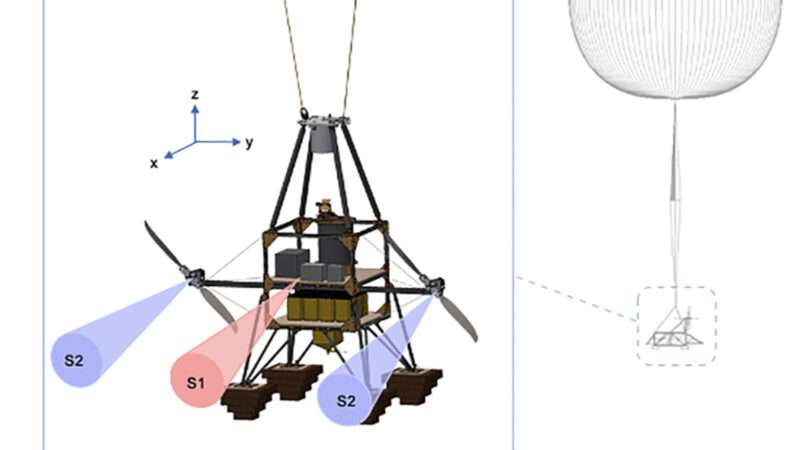
Given these trends, it would be a good idea to do some research on an emergency backup cooling system for the planet. Unfortunately, activists have pulled the plug on a preliminary solar radiation management (SRM) experiment. The aim of SRM is to lower average global temperatures by injecting tiny particles high in the stratosphere, where they would reflect a small percentage of sunlight. This would mimic the effect of Mount Pinatubo's 1991 volcanic injection of 17 million tons of sulfur dioxide into the stratosphere, which cooled the planet by about 1 degree Fahrenheit for a year.













