Get all your news in one place.
100's of premium titles.
One app.
Start reading
The Economic Times
The Economic Times

H1N1 scare at Bengaluru Clarence High School: 500+ students & over 21 employees fall sick; offline classes suspended

H1N1 scare at Bengaluru Clarence High School: Clarence High School on Pottery Road in Bengaluru has suspended offline classes until August 18 after hundreds of students and staff reported fever, cough and cold. Two cases of H1N1 have also been confirmed, according to a report by TOI.

The school was initially closed on August 12 for deep cleaning and sanitisation after a large number of students and staff developed flu-like symptoms. It reopened the following day with instructions for students showing even mild symptoms to stay at home.

Read more - Flu not going away? Doctors reveal warning signs you shouldn't ignore

However, the scale of absenteeism prompted the school to suspend physical classes again.

Why has Clarence High School suspended offline classes?

According to The Times of India, more than 500 students were absent after the school reopened on August 13. The figure represented around 20% of the school's approximately 2,500 students.

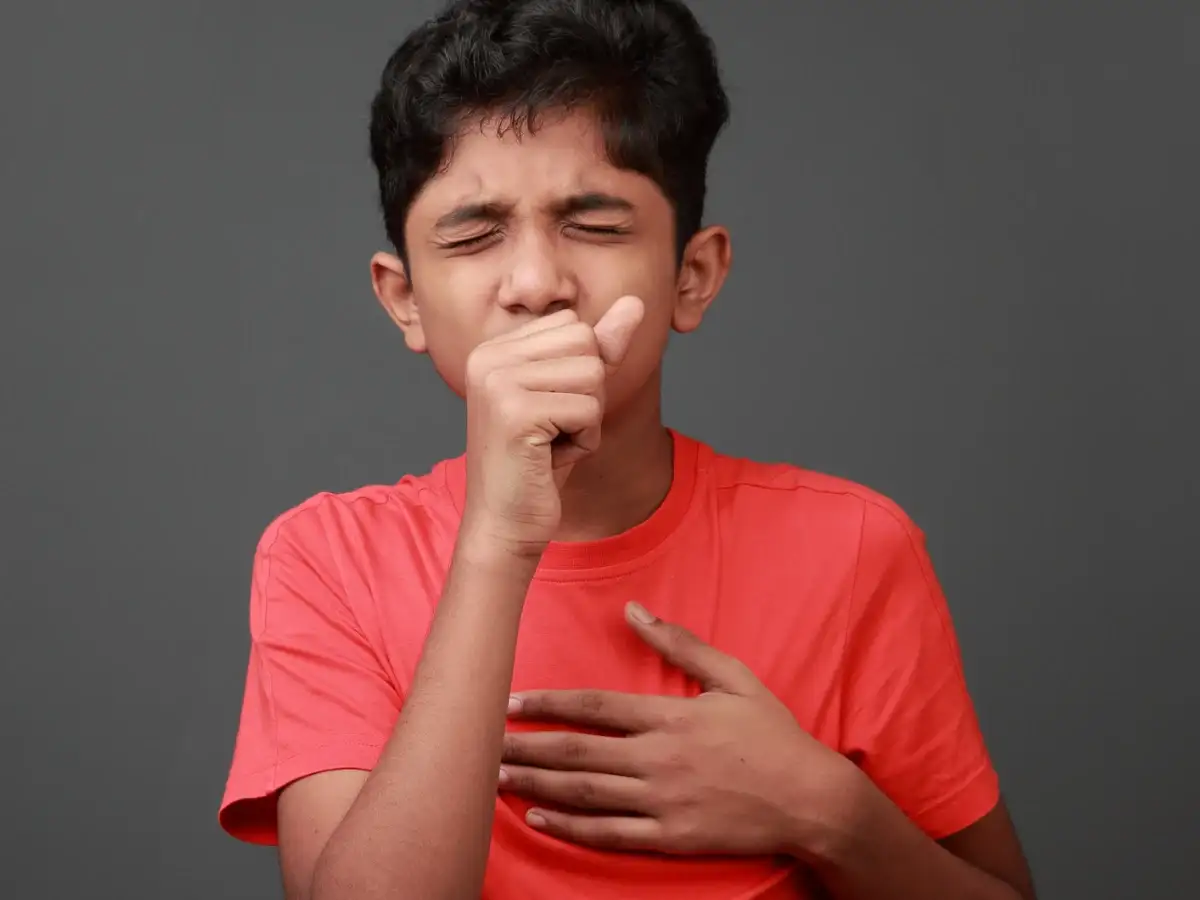
Most of those absent were reportedly suffering from fever, cough or cold.

As many as 137 students visited the school's first-aid centre, with 15 sent home and another 19 kept under observation. At least 21 staff members were also absent.

With two H1N1 cases confirmed, the school decided to suspend offline classes from August 14 to August 18 as a precaution.

Bengaluru school shifts Classes 6 to 12 online

Students in Classes 6 to 12 are attending lessons online during the temporary closure of physical classes.

The Montessori and primary sections, meanwhile, remain closed.

The school said the break would give it time to stabilise operations and implement additional preventive measures following the reported illness among students and staff.

Clarence High raises concerns over street food vendors

Alongside the illness outbreak, the school has raised concerns about several street vendors operating close to its premises.

According to the school's complaint, vendors near the campus include a tender coconut seller, a kebab vendor, a footpath shop selling aerated drinks and snacks, as well as momo, ice cream, sugarcane juice, sweet corn and South Indian food stalls.

Other businesses, including shirt sellers and mobile accessory shops, are also reportedly operating in the area.

The school has alleged that several vendors occupy footpaths and contribute to unhygienic conditions around the campus.

School links footpath encroachment to hygiene concerns

Clarence High School has alleged that waste generated around some of the stalls attracts rodents and snakes.

It has also raised concerns about alleged unlicensed operations, footpath encroachment, littering, public urination and alcohol consumption by some customers in the area.

The school said such conditions could pose health and safety concerns for students.

“Many operate on footpaths, creating unhygienic conditions around the school perimeter, attracting rodents and snakes. These vendors have no proper licence, operating in blatant violation of footpath encroachment laws and in conditions that pose serious health and safety risks to our students,” the school said.

The allegations regarding individual vendors are claims made by the school and do not establish that the vendors caused the reported illness outbreak.

School seeks action from Bengaluru civic authorities

The management of Clarence High School has written to the block education officer and the city corporation health officer, seeking intervention over the situation around the campus.

The school has requested:

  • An immediate health and safety inspection of food vendors near the school
  • Action against vendors operating without licences
  • Relocation of vendors to designated vending zones
  • Enforcement of regulations concerning junk food sales near educational institutions

The school has also referred to proposed restrictions on the sale of HFSS foods: high in fat, salt and sugar, within 50 metres of educational institutions.

“We aren’t panicking, we’re managing. But we can’t do it alone. We urge the civic authorities to act swiftly before this situation escalates further,” the school said.

What are Clarence High School's main concerns?

The school has highlighted several concerns linked to the vendors and conditions around its campus.

These include alleged footpath encroachment, reduced use of the footpath by pedestrians, poor hygiene and potential safety risks for students.

The school has also expressed concern that unhygienic surroundings could contribute to illness and disease outbreaks.

However, there is currently no evidence in the information provided establishing that the nearby vendors caused the H1N1 infections or the wider cluster of fever, cough and cold among students and staff.

What is H1N1 flu?

H1N1 is a type of influenza A virus, commonly known as swine flu.

The virus became globally prominent during the 2009-10 flu season, when a new H1N1 strain began spreading among humans. The World Health Organization declared the outbreak a pandemic in 2009 and declared the pandemic over in August 2010.

The H1N1 strain that caused the pandemic subsequently became one of the viruses responsible for seasonal influenza.

According to health information from the Mayo Clinic, most people with influenza recover without serious complications, although flu can be dangerous for people at higher risk.

What are the symptoms of H1N1 flu?

H1N1 flu can cause symptoms similar to those associated with other influenza viruses.

Common symptoms can include:

  • Fever, although it may not always occur
  • Cough
  • Sore throat
  • Runny or blocked nose
  • Muscle and body aches
  • Chills and sweating
  • Headache
  • Tiredness and weakness
  • Watery or red eyes
  • Eye pain
  • Nausea or vomiting
  • Diarrhoea

According to the Mayo Clinic, flu symptoms generally develop one to four days after exposure to the virus.

Vomiting and nausea can be more common among children than adults.

How can people protect themselves from seasonal flu?

Most people with seasonal influenza recover on their own, but complications can be serious for people at higher risk.

Seasonal flu vaccination can provide protection against H1N1 as well as other influenza viruses included in the vaccine.

Inputs from TOI

Sign up to read this article
Read news from 100's of titles, curated specifically for you.
Already a member? Sign in here
Related Stories
Top stories on inkl right now
One subscription that gives you access to news from hundreds of sites
Already a member? Sign in here
Our Picks
Fourteen days free
Download the app
One app. One membership.
100+ trusted global sources.