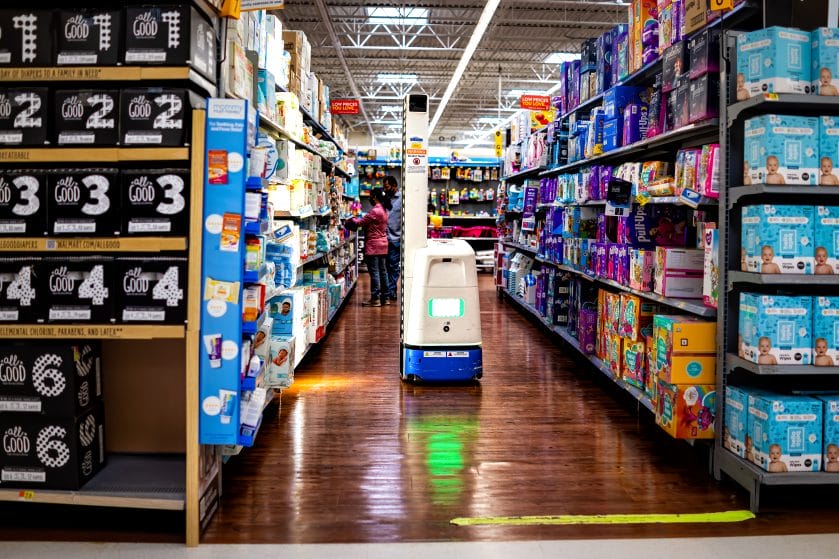
The frustration of walking into a grocery store with a high-value coupon only to find an empty shelf is a common experience for bargain hunters. However, in late 2025, retailers are deploying a new weapon to combat out-of-stocks: autonomous inventory robots. These slender, tower-like machines, often seen roaming the aisles alongside shoppers, are playing a critical role in ensuring that the most popular sale items remain available for purchase. By scanning shelves in real-time, they are closing the gap between the warehouse and the customer, specifically for high-velocity goods featured in the weekly ad.

The Problem of the “Empty Spot”
For decades, grocery inventory was managed by human employees who would manually walk the aisles, visually checking for gaps. This process was slow, error-prone, and often happened only once a day. When a “hot” coupon deal launched—like buy-one-get-one-free detergent—the shelf would often be wiped out by noon, and it might not be restocked until the night crew arrived. This lag time meant that afternoon and evening shoppers missed out on the deal, leading to lost sales and customer dissatisfaction.
Enter the Robots
Robots from companies like Simbe Robotics and Zippedi have become fixtures in chains like BJ’s Wholesale and regional supermarkets. These machines use high-resolution cameras and computer vision to scan thousands of products per hour. They identify exactly which slots are empty and verify if the price tag matches the system price. Crucially, they can distinguish between a messy shelf and a truly empty one.
Real-Time “Restock Alerts”
The true power of these robots lies in their speed. When a robot detects that the sale-priced pasta sauce is sold out, it instantly sends an alert to the handheld devices of the stocking crew in the back room. This “mission-based” restocking allows employees to bring out exactly what is needed, when it is needed, rather than guessing. For couponers, this means the shelf is replenished multiple times a day during a big sale event. This significantly increases the odds of finding the product.
Ensuring Price Accuracy
Beyond stocking, these robots are also auditing price tags. With the rapid fluctuation of food prices in 2025, ensuring that the shelf tag matches the register price is a massive compliance challenge. Robots scan the tags to ensure that the promotional price is displayed correctly. This prevents the checkout surprise where an item rings up at full price because a staff member forgot to hang the sale sign, saving shoppers the hassle of a price check.
A Win for the Deal Hunter
While some shoppers find the robots unusual, their presence is a net positive for the budget-conscious consumer. By automating the mundane task of checking stock, retailers ensure that the inventory is always available. In an era where supply chains are stable but demand for deals is high, the robot is a couponer’s ally.
What to Read Next
Grocery Inventory Audits Bring Sales Lift in Perishable Aisles
Why Self-Checkout Machines Flag Certain Shoppers More Than Others
6 Cleaning Gadgets That Break Before Saving Money
Grocery Chain Reports 11% Jump in Digital Sales as Coupon Redemption Rises
Fresh Produce Shortages Trigger Retailer Coupons in Multiple States
The post Grocery Retailers Use Robot Restockers to Keep Popular Coupon Items In-Stock appeared first on Grocery Coupon Guide.