Get all your news in one place.
100's of premium titles.
One app.
Start reading
The Economic Times
The Economic Times

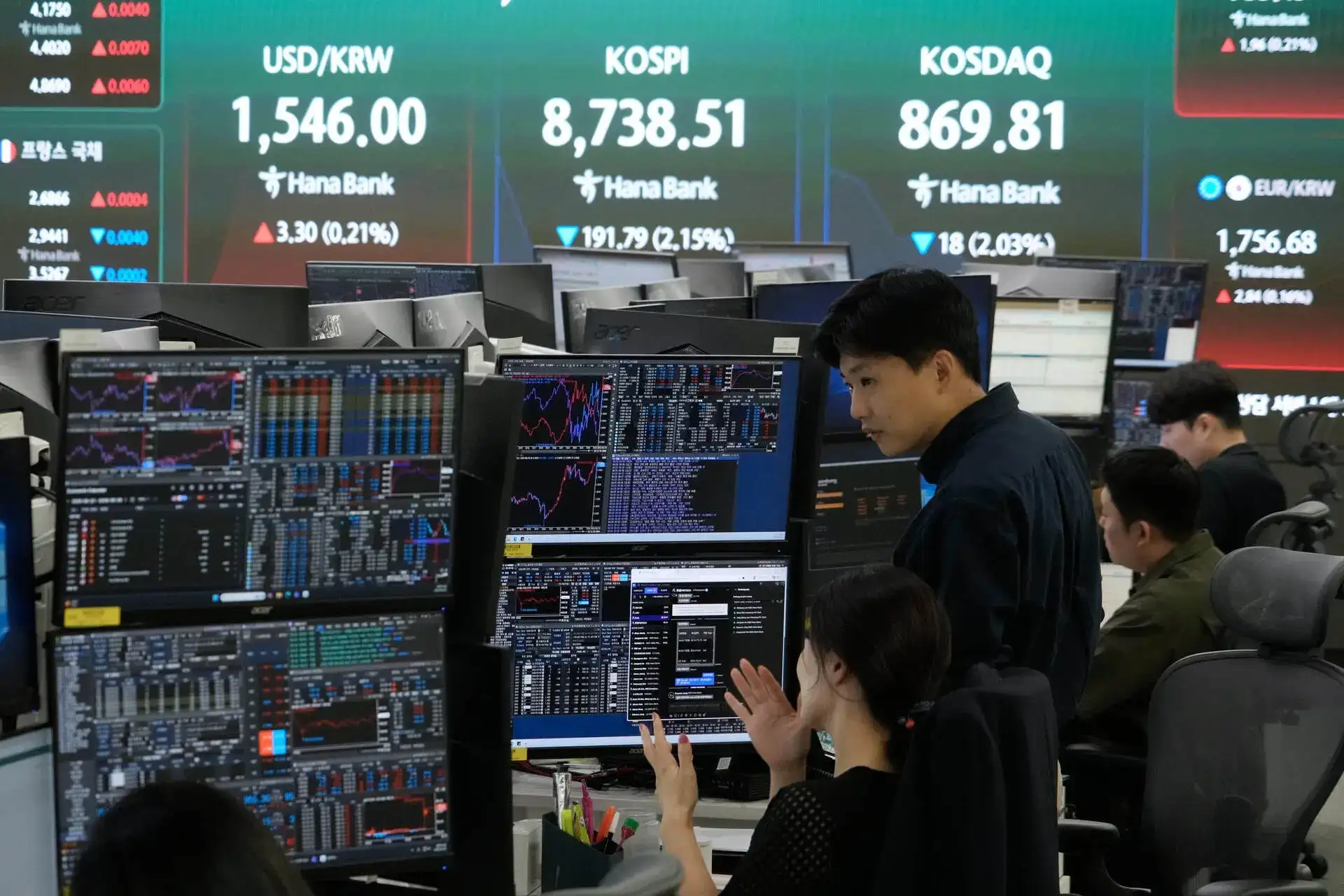
Global Market Today: Asian stocks waver on inflation, rate concerns

Asian bonds fell, tracking losses on Wall Street as rising oil prices and stronger-than-expected US economic data fueled inflation concerns and bets on further interest-rate hikes.

Government bonds in Japan, Australia and New Zealand retreated, following declines in Treasuries during the New York session. Weak demand at a $70 billion sale of US five-year notes pushed the yield above 5% for the first time since 2007. The 10-year yield surged 15 basis points to 5.11%, the biggest one-day increase since the market turmoil triggered by President Donald Trump’s April 2025 tariff announcement.
Read more: NSE debut may not set D-St on fire, sparks to come later

Weighing on the mood, Brent crude held its gains early Thursday to trade at $102.84 a barrel after jumping almost 4% in the previous session.

A Bloomberg gauge of the dollar hovered around its highest level since late July. Gold traded near a one-week low as higher interest rates lessen the appeal of the non-yielding metal.

Asian stocks slipped 0.3%, while Japanese stocks edged higher as markets in Tokyo reopened after a three-day holiday. Chinese stocks will also be in focus after the US and China extended their trade truce by two months as President Xi Jinping landed in America for his first state visit in 11 years.

The prospect of higher energy costs colliding with a still-strong US economy is likely to keep pressure on bonds and equities as investors reassess how far the Fed may need to tighten policy. Traders have ramped up bets on further rate hikes, after the US central bank raised rates last week for the first time since 2023.

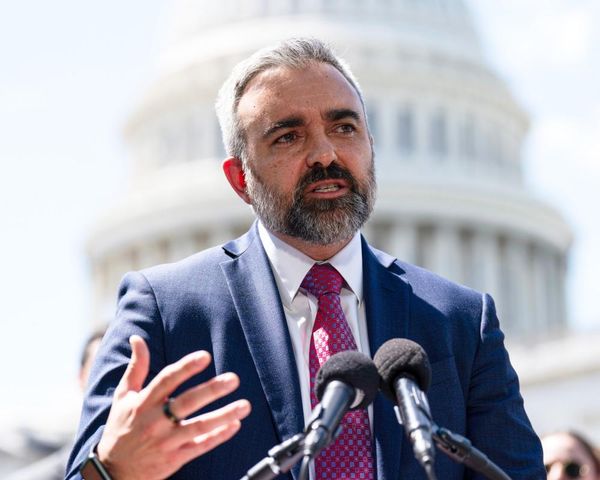
“This is the market telling us we’ve entered a genuine re-tightening cycle,” said Tony Miano at Wells Fargo Investment Institute. “The entire curve is repricing at once, which means higher discount rates for equities, higher mortgage and corporate borrowing costs, and a higher bar for risk assets.”

Traders were also monitoring geopolitical developments. Iranian President Masoud Pezeshkian said his country won’t allow freedom of navigation through the Strait of Hormuz while sanctions and a US blockade remain in place, underscoring the hurdles to a peace deal despite efforts to revive talks.

US diesel futures jumped as the Trump administration worked with refiners to voluntarily curb exports of the product as an alternative to an outright ban on overseas shipments.

Meanwhile, data showed US mortgage rates climbed to a more than two-year high, while the S&P Global flash US composite purchasing managers index rose in September to its highest since July 2021, signaling faster growth in business activity.

Officials raised borrowing costs last week to a range of 3.75% to 4%, a move Fed Chair Kevin Warsh said removed a “dose of accommodation.” Fed Governor Michael Barr said further rate hikes are likely needed to return inflation to the central bank’s 2% target.

Swaps now fully reflect three quarter-point hikes over the next year, with significant hedging for a fourth. If realized, that would take the central bank’s target rate into a range of 4.75% to 5%.

“You don’t want to step in front of the freight train today,” said Sean Simko, head of fixed-income investment management at SEI Investments. “You’re seeing the trifecta — stronger economic data, supply pushing the five-year to levels we haven’t seen in years and the view that inflation is sticky globally.”

Sign up to read this article
Read news from 100's of titles, curated specifically for you.
Already a member? Sign in here
Related Stories
Top stories on inkl right now
One subscription that gives you access to news from hundreds of sites
Already a member? Sign in here
Our Picks
Fourteen days free
Download the app
One app. One membership.
100+ trusted global sources.