Get all your news in one place.
100's of premium titles.
One app.
Start reading
The Economic Times
The Economic Times

Global Market Today: Asian shares slide as bond selloff fuels rate fears

A global bond selloff extended into Asia as elevated oil prices stoked inflation concerns, pushing long-term Treasury yields to multi-decade highs and fueling expectations for further interest-rate hikes by the Federal Reserve.

Australian and New Zealand 10-year bond yields advanced three basis points apiece, while the yield on a global bond index hit 4% for the first time since 2007. Japanese government debt also fell.

Moves in Asia Pacific tracked a global slump in bonds that pushed the 30-year Treasury yield to the highest since 2004 and lifted the 10-year yield eight basis points to 5.20% in the New York session. The securities broadly held their losses in early trading on Friday.

Oil prices remained a source of pressure, with Brent gaining for two days to close at $106.60 a barrel, taking its rally this year to over 75%. Some relief came as Brent edged lower Friday by 0.5% as US and Iranian negotiators explored a phased deal that would see Tehran reopen the Strait of Hormuz and Washington lift its blockade of Iranian ports.

Oil prices and bond yields are likely to remain key drivers for markets, with elevated energy costs adding to inflation pressures and reinforcing expectations for further Fed tightening. Swaps fully price three additional quarter-point hikes over the next year, a prospect that has driven long-term Treasury yields to multi-decade highs and increased pressure on equity valuations.

“We are firmly set up for higher yields in this environment,” said Byron Anderson at Laffer Tengler Investments. “Rate hikes do not solve Iran, oil, the AI boom, or inflation. They do increase borrowing costs for everyone else in the market, which will eventually hit labor and the consumer if the Fed gets aggressive.”

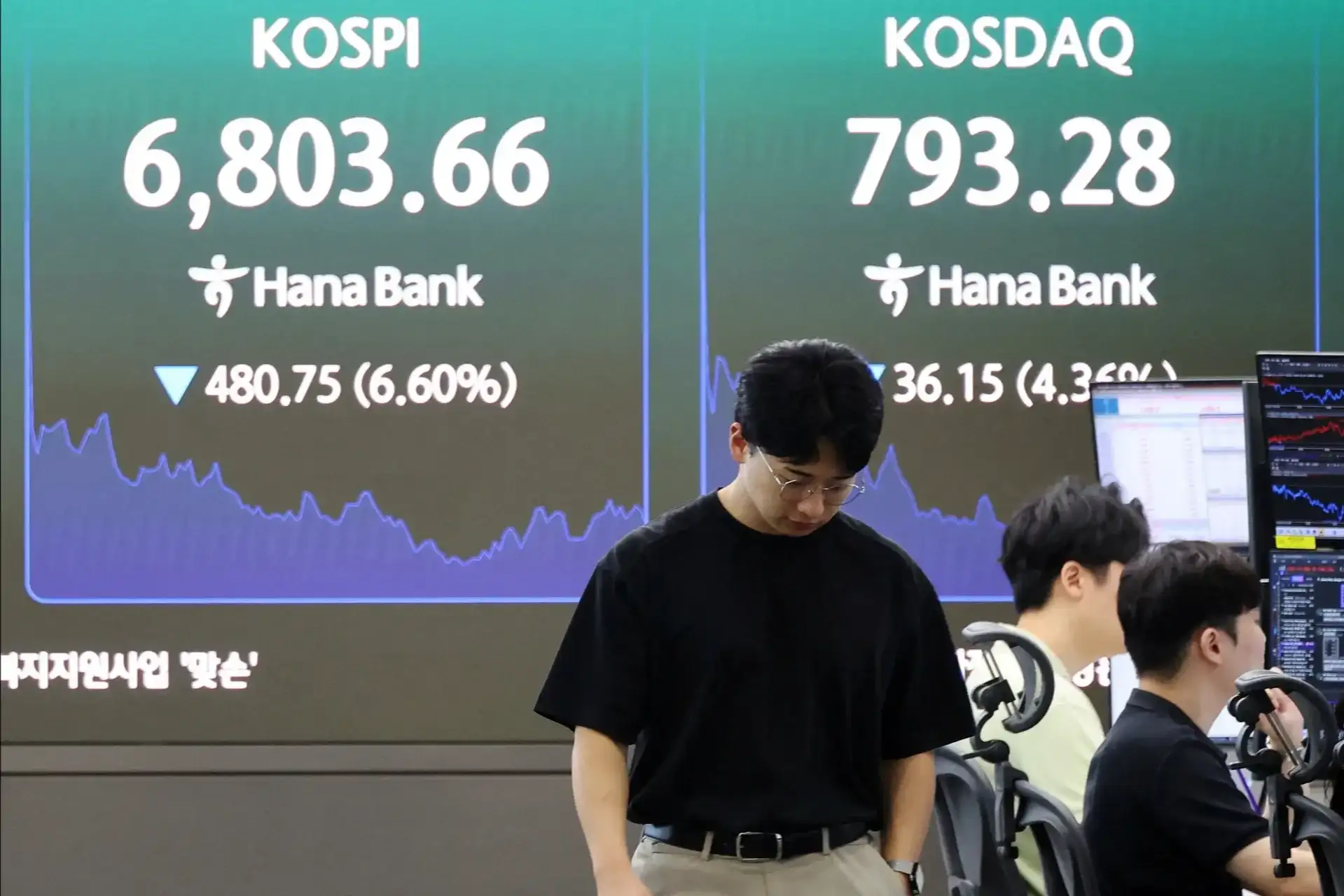
In other corners of the market, Asian stocks advanced 0.2%, with gains largely coming from Japan, as markets in South Korea, Taiwan and mainland China were closed for a holiday.

A Bloomberg gauge of the dollar held its gains from the previous session, trading around levels last seen in July. Gold was little changed at about $4,270 an ounce.

In Japan, yen intervention risk was back in focus as a two-week long slide in the currency put it back within reach of the closely watched level of 160 per dollar. The currency traded slightly stronger at 158.70 in early Friday trading.

Strategists see the 160-per-dollar level emerging again as a test of Japan’s tolerance for yen weakness given its continued depreciation in the wake of the central bank’s policy meeting on Sept. 18.

Attention remained firmly on bonds. The latest rise in yields extended a sharp repricing since the start of the US-Iran war.

Two-year Treasury yields have climbed more than 150 basis points over that period, while 30-year yields are up more than 80 basis points. Wednesday’s bond selloff was among the biggest one-day drops since President Donald Trump’s April 2025 tariff rollout.

“Things will likely be a bit bumpy in the near term, in the run-up to the US midterm elections as a function of the politics, as a function of rates and also higher energy prices and greater geopolitical risks,” Timothy Moe, the chief APAC regional equity strategist at Goldman Sachs Group Inc., said on Bloomberg TV. “After that we think there is a clear roadmap towards a rally at the back end of the year, really propelled by earnings and attractive valuations.”

Sign up to read this article
Read news from 100's of titles, curated specifically for you.
Already a member? Sign in here
Related Stories
Top stories on inkl right now
One subscription that gives you access to news from hundreds of sites
Already a member? Sign in here
Our Picks
Fourteen days free
Download the app
One app. One membership.
100+ trusted global sources.