Get all your news in one place.
100’s of premium titles.
One app.
Start reading
The Times of India
The Times of India
Lifestyle
TOI Lifestyle Desk | etimes.in

Ghee isn't suitable for everyone; know who should avoid it

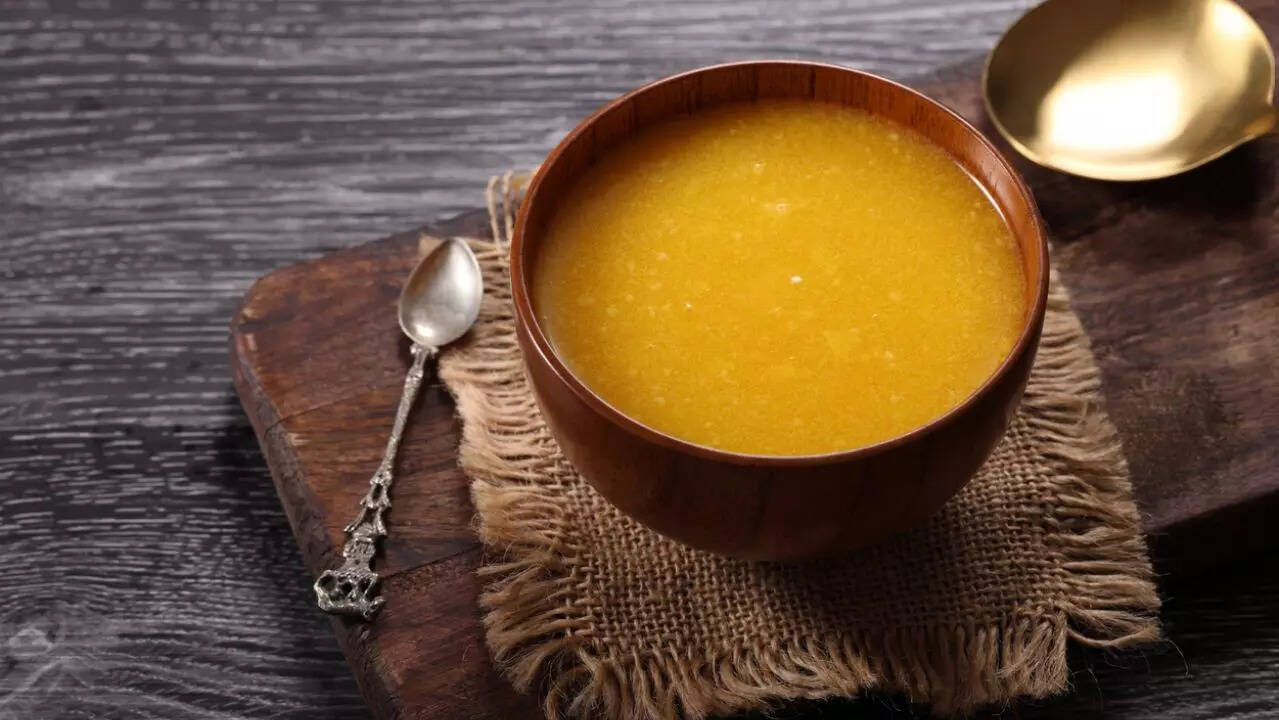
Ghee or clarified butter has been considered a superfood since centuries and in modern times has made a comeback as a healthy food after its many benefits have been recognized by modern science. A powerhouse of healthy fats and vitamin A, D, E & K, Ghee can supply useful nutrients to the body, improve healthy cholesterol, and prevent many disorders. Ghee can provide 11% of the daily vitamin E intake and 100% of vitamin A. Besides it also has butyric acid, a crucial short-chain fatty acid. Among unsaturated fatty acids, oleic acid is also found apart from essential omega-3 α-linolenic acid, according to Journal of Food Composition and Analysis.

Over the year, ghee gained reputation of being high in fat content which can impact heart health. However, experts say, eating the superfood in moderation can in fact boost heart health.
Ghee removes toxins, enhances skin glow, improves eye health, increases physical and intellectual stamina etc.

While ghee is an important addition in the diet for most people, there are certain exceptions. Know who should not consume ghee:

People with sensitive digestion

People with sensitive stomachs or digestive discomfort should avoid consuming ghee or consult their doctors before adding it to their diets, as it may cause symptoms like bloating, nausea, and indigestion. It can also aggravate conditions such as gallbladder issues, chronic digestive problems, irritable bowel syndrome, and other gastrointestinal disorders. According to a study published in the American Journal of Gastroenterology, high-fat meals can contribute to symptoms in people with sensitive digestion.

Weight ManagementPeople who want to lose weight and maintain their shape should avoid consuming ghee in excess, as it contains high amounts of fat. However, some amount of ghee, can help curb unwanted cravings. They should take a calorie-restricted diet to maintain their weight.

Liver diseasesPeople who have liver diseases should be careful, as ghee has high fat, which can strain your liver and worsen your condition. According to a study published in the journal Nutrition & Metabolism, high saturated fat intake may adversely affect the liver.

High cholesterolPeople who have high cholesterol should avoid ghee, butter, and oil. However, eating Ghee in moderation can actually help maintain good cholesterol. Eating ghee in large quantities can impact heart health. According to a study published in The Journal of the American Heart Association, consuming fats can significantly increase the risk of heart disease.

Sign up to read this article
Read news from 100’s of titles, curated specifically for you.
Already a member? Sign in here
Related Stories
Top stories on inkl right now
One subscription that gives you access to news from hundreds of sites
Already a member? Sign in here
Our Picks
Fourteen days free
Download the app
One app. One membership.
100+ trusted global sources.