Get all your news in one place.
100's of premium titles.
One app.
Start reading
The Conversation
The Conversation
Marc Zimmer, Professor of Chemistry, Connecticut College

Genome sequencing is rewriting the history of disease outbreaks – but without social context, it can tell only part of the story

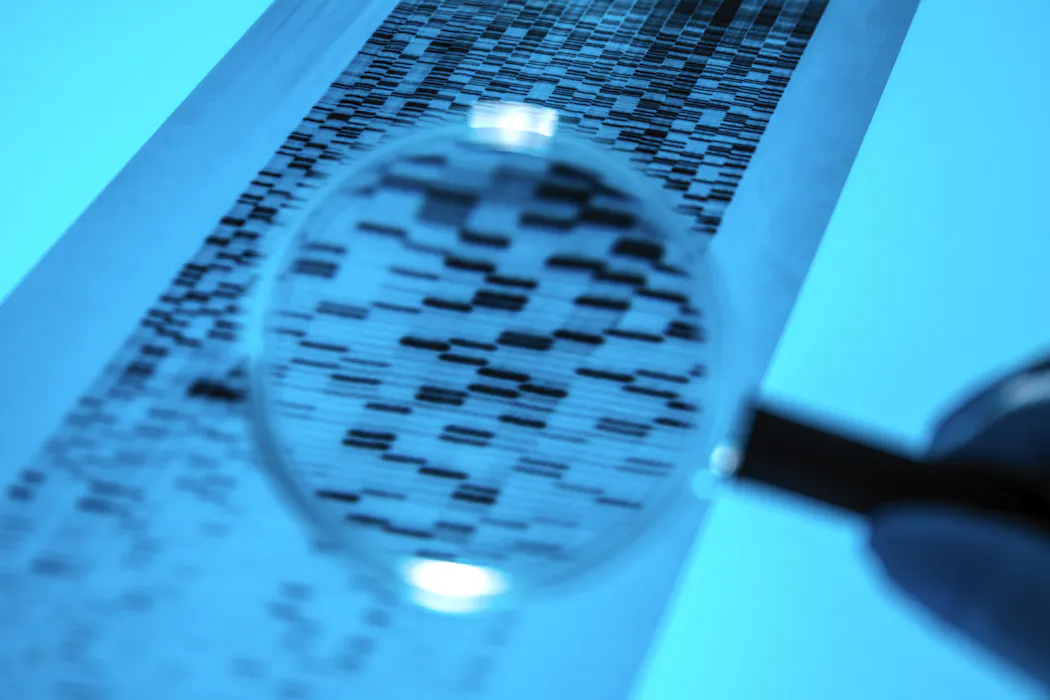
A pathogen's genome acts as a biological record of where it came from and how it spread. Westend61/Getty Images

Fingerprinting transformed police investigations by making it possible to place a suspect at a crime scene with physical evidence. Similarly, genome sequencing has changed how disease detectives study outbreaks by allowing them to read a pathogen’s genes as a biological record of where it came from and how it spread.

One way to think about sequencing is to imagine a virus or bacteria’s genome as a recipe book. Each gene is a recipe for making a protein. When scientists sequence a pathogen, they read the order of the genetic letters in those recipes.
Sign up to read this article
Read news from 100's of titles, curated specifically for you.
Already a member? Sign in here
Related Stories
Top stories on inkl right now
One subscription that gives you access to news from hundreds of sites
Already a member? Sign in here
Our Picks
Fourteen days free
Download the app
One app. One membership.
100+ trusted global sources.