Get all your news in one place.
100's of premium titles.
One app.
Start reading
Ideal Home
Ideal Home
Lauren Bradbury

Garden items you can no longer recycle when decluttering a shed due to new bin rules in England – and what to do with them instead

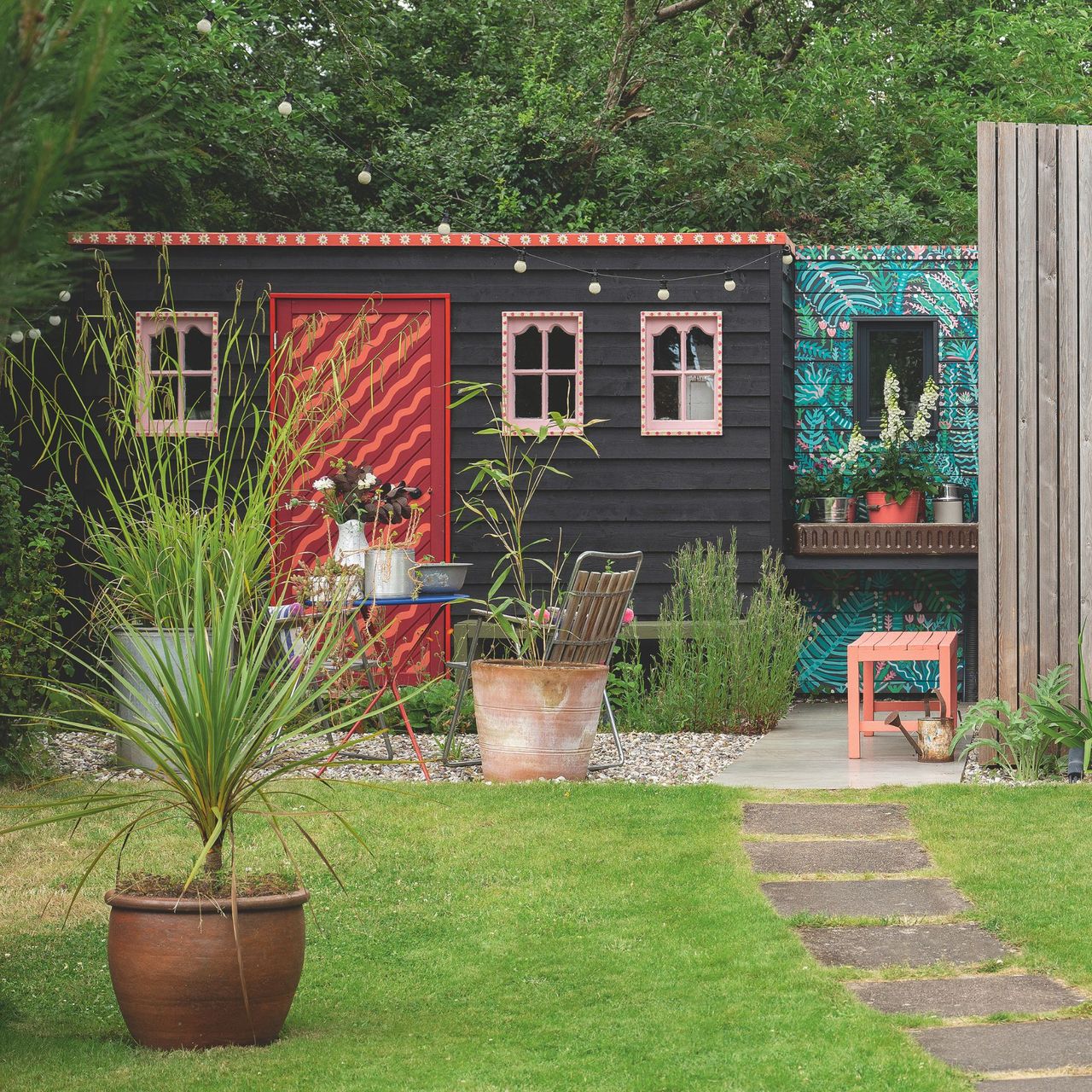
Colourful garden shed painted in bright colours at the back of a garden laid to lawn.

It’s been over a month since England’s new ‘Simpler Recycling’ rules came into force and allowed for simpler, standardised waste collection. And while they have undoubtedly allowed us to be more mindful of what we’re throwing into our recycling bins, those looking to declutter their sheds this spring might have a few questions.

Ultimately, there are so many things you can no longer recycle when decluttering inside the home. But as I perused these new recycling rules, I couldn’t help but notice that outdoor spaces are affected as well. And as it’s currently prime time to declutter a shed and set your garden up for summer success, these new rules have definitely put a spoke in the wheel.

That doesn’t mean that you can’t purge your unwanted items or get things organised, though. I’ve broken down all of the garden items you can no longer recycle when decluttering your shed to help you understand how these new rules and regulations will affect you. Plus, options for what to do with them instead.

Garden items you can no longer recycle

Just as there are many kitchen items you can no longer recycle when decluttering, there are also many garden items you can’t recycle at home if you live in England.

The full list of excluded items is available on gov.uk’s Simpler Recycling Scheme page. However, I’ve laid out the garden items you’re most likely to come across (and want to get rid of) when decluttering a shed below:

  • Garden waste
  • Plastic plant pots
  • Metal packaging that has contained white spirits, paints, engine oils or antifreeze
  • Plastic bottles that have contained white spirits, paints, engine oils or antifreeze
  • Bulky waste (including garden furniture and fencing)
  • Garden tools or other gardening equipment
(Image credit: Future PLC/Douglas Gibb)

Many local authorities may have already excluded these items from kerbside pickup before the new recycling rules came into effect, but it’s important to note that this is now the standardised rule for all waste collectors across England. This is to maintain consistent recycling, reducing confusion and potential contamination.

It is worth noting that some councils are exempt from these new regulations until 2043 at the latest. But it’s a good idea to understand the dos and don’ts now so you know what to do with items after decluttering.

Throwing them in your normal waste bin isn’t the only option, after all. Shannon Murphy, Professional Organiser and Founder of Simpl Living Co., says, ‘When it comes to decluttering your garden, the new recycling rules in the UK are encouraging more mindful disposal, but they also present a great opportunity to rethink how we pass items on.’

She adds, ‘As a professional organiser, I always remind clients that decluttering doesn’t always mean throwing things away. Often, there are more sustainable and community-driven options available.’

What to do with garden items if they can’t be recycled

1. Garden waste

(Image credit: Future PLC/Howard Water)

The new Simpler Recycling rules have had a big effect on how you dispose of your garden waste. That’s because it’s now government-mandated that both food and garden waste must be collected separately from recycling waste.

To make things easier, many local authorities offer garden waste bins to residents (sometimes for free, sometimes for a small fee). However, some councils don’t have the funds or infrastructure available to do so. That’s why it’s important to also know how to get rid of garden waste without a garden waste bin.

Shannon explains, ‘Composting at home is another great long-term solution if you have the space, turning waste into something beneficial for your garden,’ and you can use something like this Crystals 300L Garden Compost Bin (£28.97 at Amazon) to help you do that. Alternatively, most household recycling centres accept green waste.

2. Plastic plant pots

(Image credit: Future PLC / Heather Young)

It’s easy to assume that plastic = recyclable, but that isn’t always the case. Under the new Simpler Recycling rules, plastic plant pots will no longer be accepted, which means you’ll need to find other ways to recycle them when decluttering your shed.

Thankfully, there are so many ways to do that, including many take-back schemes that promote a circular economy. This includes B&Q’s plant pot recycling scheme, which uses old plastic pots to make new ones that they sell in store.

Shannon also adds, ‘Many people are happy to take them for seedlings, so a simple “free” box outside your home can work brilliantly. You could also donate them to local allotments or independent garden centres, where they’ll almost certainly be reused. If you’re feeling creative, they’re great for repurposing too, for example, getting children involved in decorating them and growing their own plants.’

3. Packaging containing white spirits, paints, engine oils or antifreeze

(Image credit: Lisa Fazzani)

While plastic and metal bottles have typically been recyclable, there are caveats. That’s because any packaging that contains white spirits, paints, engine oils or antifreeze is no longer able to be recycled when decluttering a shed - even if you’ve washed them out. This is because residual solvents can linger and contaminate the process.

That doesn’t mean that you can’t use them yourself, though. After all, there are so many ways to use plastic bottles in the garden - including making your own plant labels. Just try to avoid using them to water your plants, as you don’t want to contaminate them with any potentially hazardous material.

For paint, it’s a good idea to understand how to properly dispose of paint or find alternative ways to use paint around the house. If in doubt, your local household waste recycling centre should have a dedicated area for disposing of hazardous waste. Just make sure you check with them beforehand.

4. Bulky waste (including garden furniture and fencing)

(Image credit: Future PLC/Colin Poole)

Although wood, plastic and metal garden items can be recycled, they can’t be recycled via kerbside pickup. Most councils had these rules in place before the Simpler Recycling Scheme came into effect, but it’s now standardised across England, with waste collectors unable to collect it from outside your house at all.

This is generally because many of these materials - whether they’ve been used to make garden furniture or fencing - are stained or treated with chemicals that will contaminate the recycling process. However, many of these materials can be used for upcycling ideas for the garden. This includes making pallet furniture or even outdoor kitchens. So, keep that in mind when decluttering your shed.

Shannon adds, ‘If it’s in good condition, it’s worth contacting your nearest charity shop warehouse, as many accept larger items and even offer free collection after reviewing photos. Selling through Facebook Marketplace is also great at this time of year, when people are looking for affordable outdoor pieces.’

5. Garden tools or other gardening equipment

(Image credit: Future PLC / Sophie King)

It may seem like common sense to avoid putting garden tools or other gardening equipment in your recycling bin when decluttering your shed, but the new recycling rules explicitly prohibit waste collectors from accepting them.

This could give you the chance to second-guess your decluttering decision, and you may simply need to invest in better shed storage or give your tools and equipment some TLC to bring them back up to scratch. Something like this Spear & Jackson 6-in-1 Blade Sharpener (£16.99 at Amazon) can help to revive things like garden shears and loppers.

Shannon adds, ‘Allotments and community gardening groups are often grateful for donated tools, especially if they’re still functional. Some recycling centres also have reuse shops on-site, where tools can be passed on rather than thrown away. Alternatively, including them in a car boot sale alongside other unwanted items can be a simple way to sell a larger amount of stuff in one go.’

Happy shed decluttering!

Sign up to read this article
Read news from 100's of titles, curated specifically for you.
Already a member? Sign in here
Related Stories
Top stories on inkl right now
One subscription that gives you access to news from hundreds of sites
Already a member? Sign in here
Our Picks
Fourteen days free
Download the app
One app. One membership.
100+ trusted global sources.