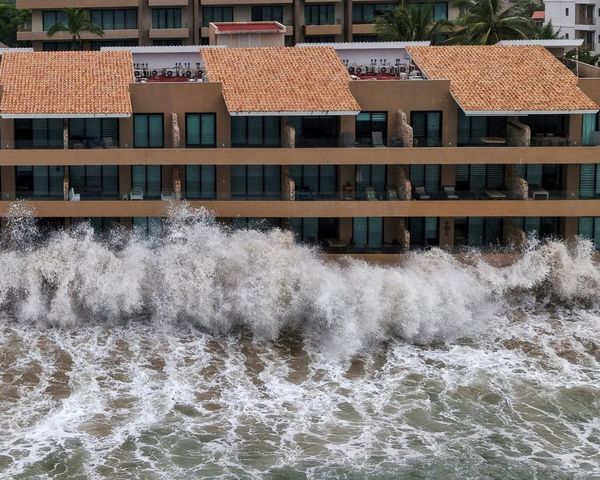
The Thames estuary in southeast England — the tidal stretch of the river — once supported extensive saltmarshes, seagrass meadows and oyster beds. These shallow areas, which flood and drain with the tides, provided vital feeding and nursery grounds for fish. But centuries of urban development have replaced them with concrete walls, docks and flood defences.
Much of this change happened in the Victorian era. The Thames embankment straightened and hardened the river’s edge, severing the natural connection between land and water. Today, barely 1% of those original intertidal habitats — the shallow zones between the low and high tide mark — remain. But while the physical landscape has continued to shrink, the condition of the water has taken a very different path.
Since the 1960s, water quality has improved dramatically, and more than 125 fish species have been recorded in the Thames river system. Some even spawn in the Thames. With stable oxygen levels and declining pollution, the river has made an impressive biological recovery — but not a physical one. Fish have returned, but the habitats they depend on have not. With so few natural areas left today, young fish have far fewer places to feed and grow than they once did.