
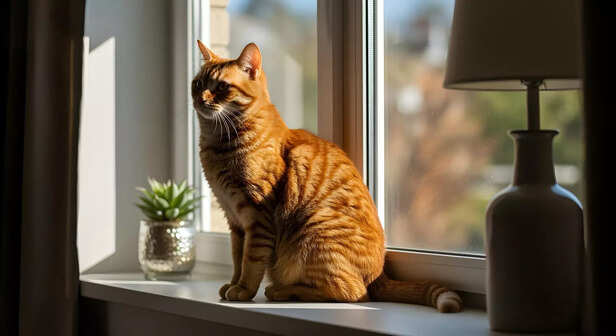
Thousands of years ago, survival was a shared agreement between humans and animals. We offered shelter, food, and protection. In return, animals offered strength, companionship, labor, or food. Domestication was never just about control. It was about trust built slowly over generations. But time changes needs. Some animals drifted back into the wild, while others stayed by our side. This story is about those choices. About five animals humans once tried to tame but eventually released, and five animals we still depend on today.
Five Animals We No Longer Domesticate
1. Wolves: The Wild Spirit That Became Dogs
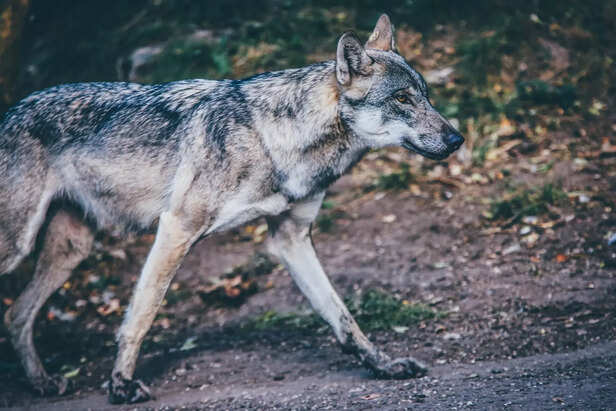
Long before dogs curled up on sofas, wolves walked beside early humans. They helped hunt, guarded camps, and shared scraps. Over time, only the friendliest wolves stayed close. Those wolves slowly evolved into dogs. What we stopped domesticating was not the animal, but the wildness itself. Modern wolves are no longer tamed because they need space, hierarchy, and freedom that human homes cannot provide. Wolves remind us that not every powerful bond should last forever.
2. Elephants: Strength Too Big To Contain
Elephants were once used for war, transport, and royal processions. They carried kings and pulled massive loads. But elephants are deeply emotional, intelligent, and social animals. Captivity often broke their spirit. Today, most societies recognize that elephants suffer when domesticated. Conservation replaced control. Elephants now symbolize a shift in human thinking, from use to respect.
3. Zebras: The Untamable Horse Lookalike
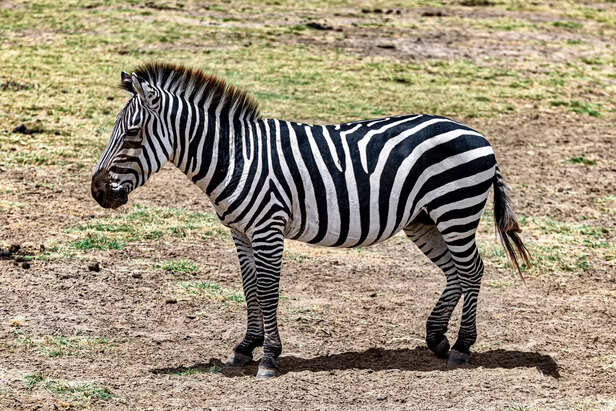
Zebras look like horses, but they behave nothing like them. Humans tried to domesticate zebras for riding and farming. It failed repeatedly. Zebras bite, panic easily, and resist human leadership. Unlike horses, they never adapted to human commands. Eventually, humans accepted defeat. Zebras taught us an important lesson: appearance does not mean compatibility.
4. Bears: Power Without Partnership
In ancient cultures, bears were trained for performances and protection. But bears never truly bonded with humans. They are solitary, unpredictable, and dangerous when stressed. Over time, societies realized that bears cannot be domesticated without cruelty. Today, keeping bears is widely banned or discouraged. Their strength belongs in forests, not chains.
5. Cheetahs: Speed That Refused Ownership
Cheetahs were once kept by royalty as hunting companions. They were admired, fed, and even named. But cheetahs never bred well in captivity and never obeyed commands like dogs. Their nervous nature made domestication unsustainable. Eventually, humans let them go. Cheetahs now run free again, reminding us that admiration does not equal ownership.
Five Animals We Still Domesticate
1. Dogs: Humanity’s Oldest Friend
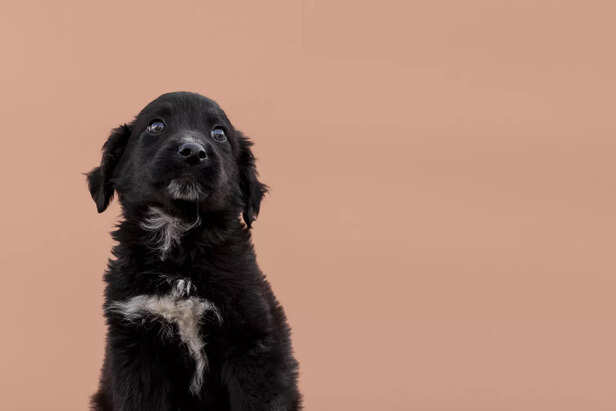
Dogs stayed. Not because they were forced, but because they adapted emotionally. Dogs learned to read human faces, moods, and voices. They guard, guide, comfort, and protect. From police work to emotional support, dogs evolved alongside us. Domestication worked because both species changed together.
2. Cats: Independent Yet Loyal
Cats domesticated humans as much as we domesticated them. They controlled pests, stayed close to warmth, and kept their independence. Unlike dogs, cats never fully surrender control. That balance worked. Today, cats thrive in human spaces while still holding onto their wild instincts.
3. Cows: The Backbone Of Agriculture
Cows became central to farming societies. They provide milk, labor, and nourishment. Their calm nature and herd behavior made domestication possible. In many cultures, cows are more than livestock. They represent stability, wealth, and tradition. Humans still depend on them deeply.
4. Goats: Survivors That Adapt Anywhere
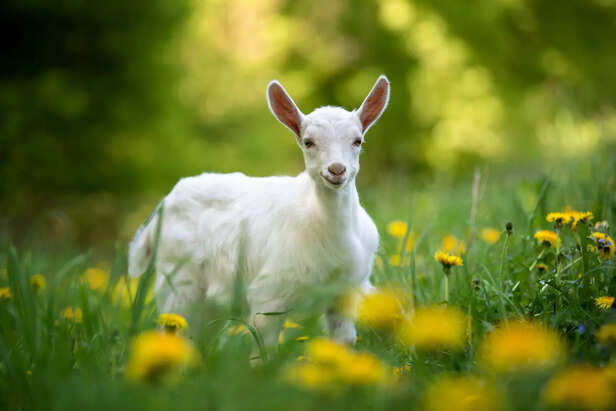
Goats thrive where other animals fail. Mountains, deserts, villages, and farms. They provide milk, meat, and companionship. Goats adapt easily to human care while maintaining independence. Their resilience keeps them relevant even today.
5. Chickens: Small Birds With Big Impact
Chickens may seem ordinary, but they feed billions. Easy to raise, quick to reproduce, and low-maintenance, chickens became essential to human diets. Their domestication changed food security across civilizations.
Why Some Animals Stayed, And Others Left
Domestication is not about dominance. It is about compatibility. Animals that stayed were flexible, social, and emotionally adaptable. Animals that left needed freedom, space, or complex social structures that humans could not provide. Over time, humans learned to respect those boundaries.
The Emotional Cost Of Domestication
Domestication comes with responsibility. Animals depend on humans for survival. When humans fail, animals suffer. Modern awareness is slowly changing how we treat domesticated animals, pushing for ethical care instead of exploitation.
What This Says About Humans
The animals we keep reflect our values. When survival mattered most, we domesticated widely. As awareness grew, we let go of those who suffered under control. This evolution shows emotional growth, not weakness.
A Future Of Choice And Compassion
The story of domestication is unfinished. As technology replaces animal labor, humans must decide who truly belongs in human spaces. The future is not about owning animals, but coexisting responsibly.
Some animals walked with us until they needed to walk away. Others stayed because the bond grew stronger with time. Domestication is not a victory or a failure. It is a reflection of changing human consciousness. Sometimes love means holding on. Sometimes it means letting go.
Celebrate the bond with your pets, explore Health & Nutrition, discover Breeds, master Training Tips, Behavior Decoder, and set out on exciting Travel Tails with Times Pets!