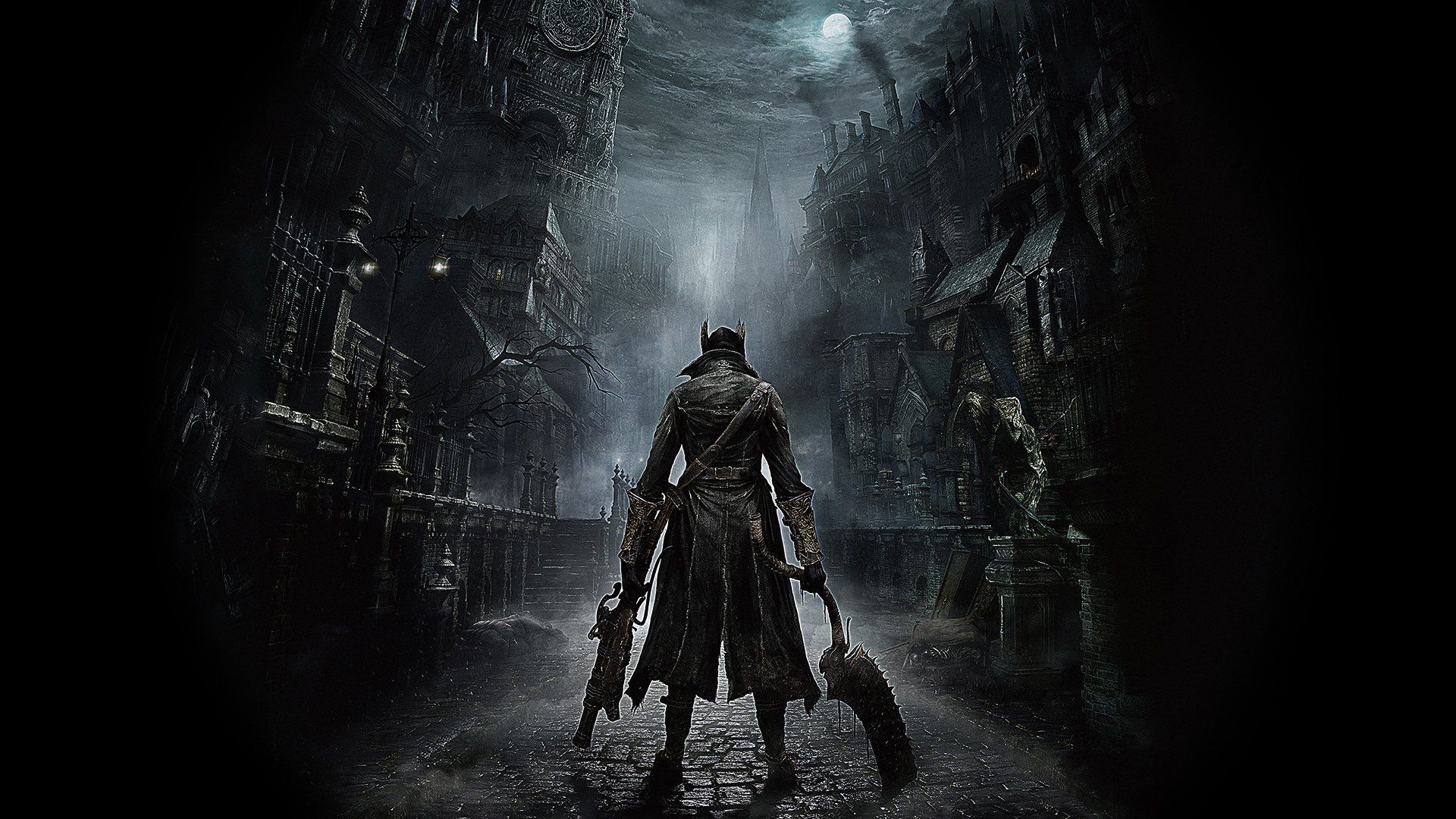
The protagonist of The Rats In The Walls uncovers a horrifying secret beneath his ancestral home, one that tracks back not only through generations of his family but entire civilisations, all the way back to the dawn of humanity. The horror of HP Lovecraft's 1924 short story isn't merely in the gruesome nature of said secret, but in the way it has always tainted the bloodline – not merely a curse but core to its existence. Similar could be said of the influence Lovecraft's writing has had on videogames. The likes of Bloodborne, Eternal Darkness and myriad spinoffs from The Call Of Cthulhu tabletop RPG are the clearest representatives here. But what about Quake? Or Alone In The Dark, or Splatterhouse before that?
In so many cases, it's hard to tell whether these works are taking inspiration directly, or whether it's something deeper in the blood. Because since Lovecraft died in 1937, barely a published book to his name, his fiction has nibbled into our cultural psyche and left paw prints over horror in all its forms. It's possible to dip a toe in these cosmic waters without ever touching any of the man's own work, filtered instead through the more contemporary perspectives of Roger Corman, John Carpenter, Stephen King, Neil Gaiman, Guillermo del Toro and innumerable others.