Get all your news in one place.
100's of premium titles.
One app.
Start reading
The Times of India
The Times of India
World
TOI World Desk

From $700 To Global Brand: DeJoria and Mitchell build salon-first empire; annual sales near $900 million

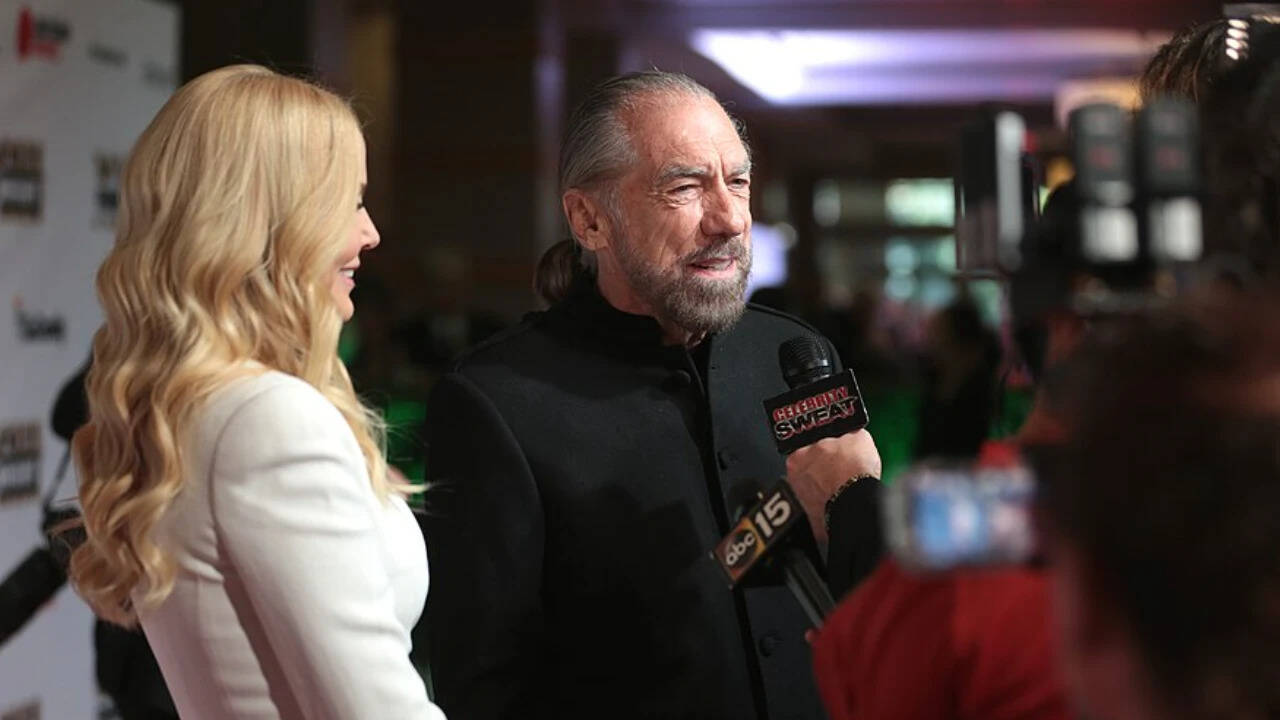
In 1980, John Paul DeJoria was living in an old Rolls-Royce and trying to make a living selling hair-care products. He had already worked a string of jobs, including selling encyclopaedias door to door, and had become accustomed to hearing no. His next gamble was different. Together with hairstylist Paul Mitchell, he put just $700 into a new professional hair-care business. The products were carried from salon to salon in the trunk of DeJoria’s car, with the founders relying on personal sales rather than a large advertising budget.

Get breaking news anytime, anywhere. Download the TOI app now!

According to Paul Mitchell’s official history , the idea was straightforward: create professional-quality hair products that hairdressers could use in their salons and recommend to their customers. The first range consisted of three products: Shampoo One, Shampoo Two and The Conditioner. The company began with $700 and those three products in 1980. The brand eventually grew into a global hair-care business with more than 100 products sold in more than 80 countries.

The business grew through rejection

DeJoria's earlier experience selling encyclopaedias door to door proved useful when he started the hair-care business. The job had taught him how to approach strangers, handle rejection and keep going when a sale did not come easily. Those skills became important when he began introducing the new products to salon owners, many of whom had no reason to take a chance on an unfamiliar brand.

The early months were far from glamorous. Stanford Graduate School of Business reported that DeJoria sold the products from the boot of his car and used his sales experience to approach salons directly. The company lost money during its first two years, and DeJoria recalled a period when he struggled to pay the bills. By 1982, however, the business had reached the point where it could pay what it owed on time.

Instead of immediately trying to sell their products in supermarkets, they decided to target professional salons. The owners started networking with hairdressers who would promote and advise customers to buy them. According to the history of the company recorded by the US Tax Court, the first batch of the products was sold during a beauty show in 1980 for $10,000, and then the company started to distribute its product through professional channels. This helped the company establish its distinct identity. Paul Mitchell was marketed as a product developed for hairdressers, not just another shampoo competing for shelf space in stores.

From $700 to a global brand

Research published in Global Business and Organisational Excellence examined necessity entrepreneurship and found that unemployment, financial pressure and limited economic opportunities can encourage people to start their own businesses. Having a reason to start is only the beginning. Whether such a business survives depends on how effectively the founders find customers, use limited resources and respond to challenges. For DeJoria and Mitchell, the business gradually gained momentum as salons began reordering their products. The range expanded, distribution widened, and the company continued to build its identity around professional hairdressers. When Paul Mitchell died of cancer in 1989, DeJoria carried on with the business and later expanded into other ventures, including Patrón tequila.

Sign up to read this article
Read news from 100's of titles, curated specifically for you.
Already a member? Sign in here
Related Stories
Top stories on inkl right now
One subscription that gives you access to news from hundreds of sites
Already a member? Sign in here
Our Picks
Fourteen days free
Download the app
One app. One membership.
100+ trusted global sources.