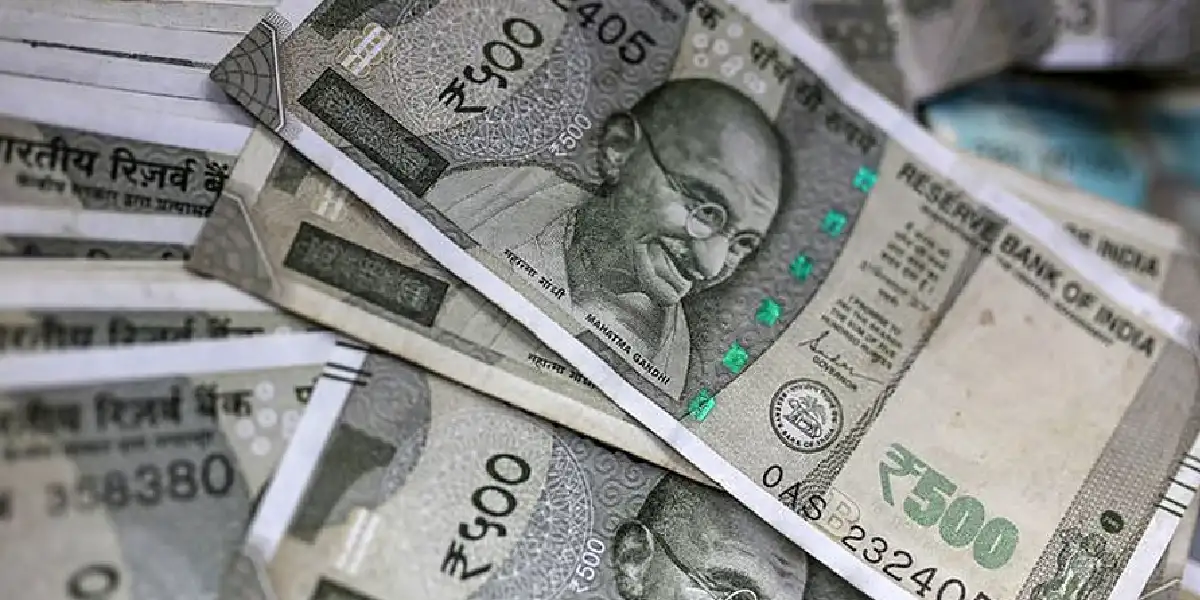
Over the last 12 mths, the rupee has fallen 12% against the dollar, reflecting volatility in the trade environment, weak capital inflows, accelerated tech disruption and disruptions to energy supply. The ongoing West Asian conflict is exerting currency pressure on other oil-importing nations as well. Four narratives dominate the discourse. Each of these is rooted in fact, but is incomplete:
External debt is 5% of India's total debt As of January, 94% of external debt is covered by forex reserves. However, a rupee saved is a rupee earned. Increased cost of servicing debt places an undue burden on a nation looking to address more critical problems.
Weaker domestic currency boosts exports That is true. However, despite export promotion efforts, India remains a net importer of critical inputs - including fuel, machinery, metals and chemicals. Rising import costs, therefore, cascade through the value chain, increasing production costs across the economy.
Cheaper rupee attracts foreign investment A lower cost of entry may boost India's attractiveness to investors. However, persistent currency depreciation reduces dollar-adjusted returns, constraining foreign investment despite strong fundamentals.
India's talent and services ecosystem will hold its own This has been the India case for many years. Today, AI is reshaping the role of the services industry - including 2,100 GCCs - that support India's external account. Any slowdown would compound pressures on the rupee. Maintaining India's edge requires sustained investment in upskilling and capability development.
A potential El Nino-induced monsoon shortfall and looming fertiliser shortages could worsen matters. Weaker harvests would disrupt agricultural trade, while reduced hydropower output - 10% of installed capacity but only 6% of generation - would push India toward a costlier, more import-dependent energy mix. Together, these pressures could accelerate currency depreciation. So far, RBI intervention and diplomacy have contained volatility and averted a fuel crisis. One hopes they continue to do so. But hope is not a strategy, least of all in a storm.
India needs a coordinated, time-bound programme that addresses structural weaknesses that amplify the impact of global volatility on the rupee and India's growth.
Energy independence is paramount. The twin pressures of supply-chain disruptions and a weaker rupee underscore the urgency of the green transition. While diversifying energy imports offers short-term relief, long-term resilience depends on accelerating domestic nuclear and RE capacity. Doing so will require overcoming adoption bottlenecks and building a circular economy.
India's manufacturing ecosystem continues to be underdeveloped, especially for inputs. This results in import dependence for raw materials, hurting price competitiveness and our ability to meet Rules of Origin thresholds in FTAs. The solution is threefold:
Deepen domestic input ecosystems through PLI schemes that explicitly focus on MSMEs and provide access to patient investment capital.
Enable international collaborations to transfer tech and capability with strong IP protection and GIFT like setups for manufacturing.
Create turnkey facilities to jump-start new projects.
Recent tech innovations are putting pressure on tech firms and GCCs. Structural interventions to accelerate adoption, reinvent business models (or build new ones), and safeguard startups and firms will be critical. Investment in R&D will help ensure that India is not just ready for such disruptions but is even leading them.
India's FTA record illustrates the gap between policy and outcomes. FTA utilisation is estimated at just 25%, compared with 70-80% in developed economies and 40-50% in peers such as Vietnam and Mexico. The result is a multibillion-dollar annual opportunity cost, reflected in widening trade deficits with FTA partners. A dedicated FTA implementation agency, operating in mission mode with clear timelines and measurable accountability, should align government, regulators and industry under a single framework.
India is the world's largest recipient of remittances, underscoring the strategic value of talent mobility. These inflows finance a substantial share of the merchandise trade deficit and help stabilise the external account. Sustaining this advantage requires stronger mobility provisions in FTAs, expanded skills-recognition agreements, and greater investment in foreign-language and cultural training.
A falling rupee is not telling us that India is weak. It reminds us that India's growth is dependent on variables we don't control - oil, global capital cycles and geopolitical risk. RBI's discipline and measures outlined here will not deliver Aatmanirbharta overnight. They will, however, reduce concentration risk, strengthen domestic buffers and serve as protective armour.
The writer is chairperson, PwC, in India.