
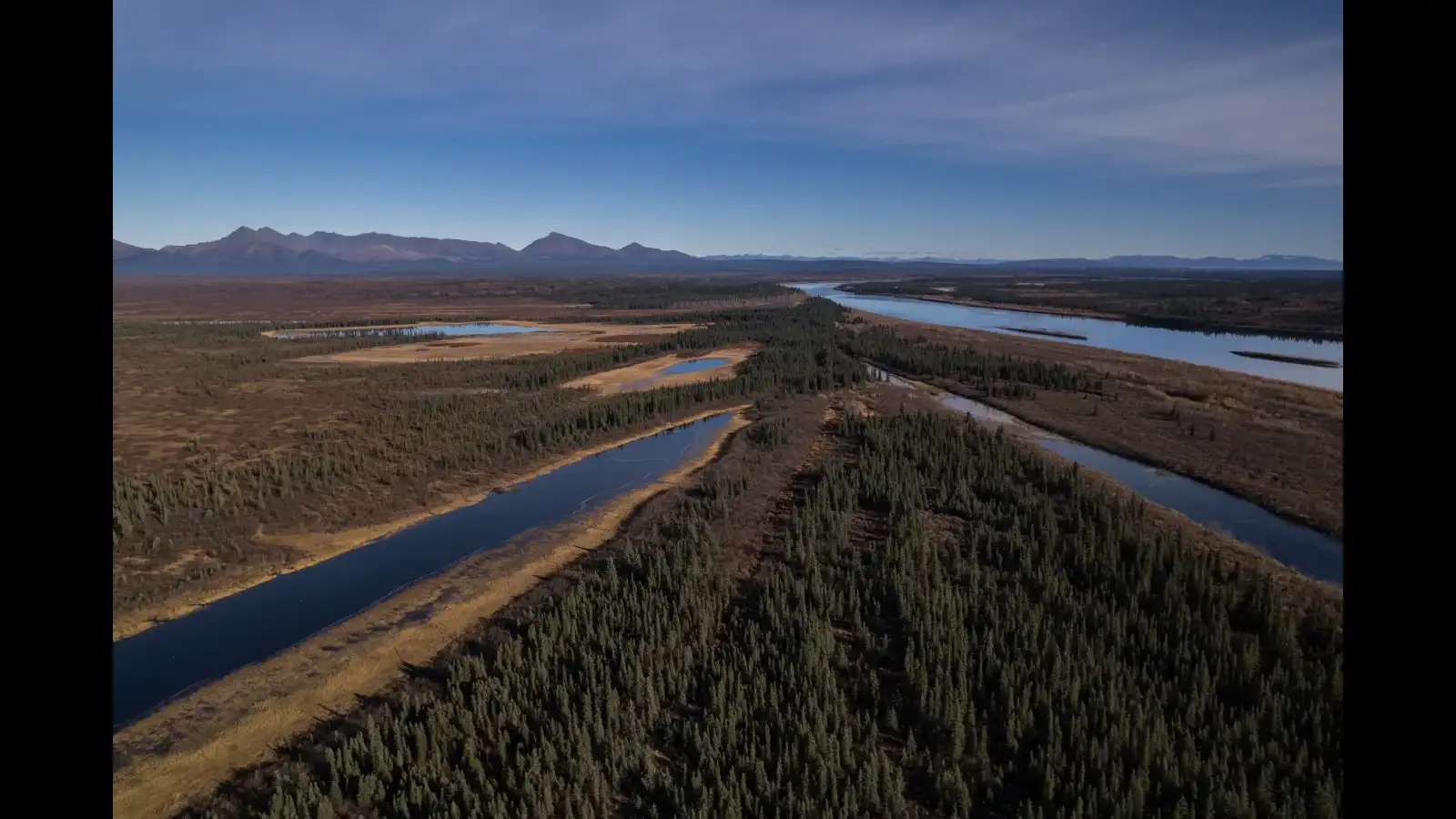
For centuries, Arctic cold has kept plant life small, a sort of dollhouse of Earth's miniatures. The extreme environment has long given researchers a unique perspective on what makes plants grow, insight that would be hard to obtain elsewhere. Now it offers them one of the world’s most useful windows on how climate change affects plant life, with the Arctic warming four times faster than the rest of Earth, especially in the winter. For example, researchers at the Toolik Field Station, 200 miles (320 kilometers) north of the Arctic Circle, are studying whether plants facing these harsh conditions evolve to compete or cooperate with one another.
Studies show that the colder and further north in the Arctic, the smaller the plant life. There are several reasons, but the main one is that life is rough in the winter. Anything that protrudes above the shallow, insulating snow cover is more prone to being damaged by the cold and wind or eaten by wildlife, said plant ecologist Anne Bjorkman of the University of Gothenburg in Sweden.














