We are living in the plastic age. Plastics are literally everywhere: clothes, furniture, computers, phones and more contain plastic materials. It’s no wonder, then, that the food we eat, the water we drink and even the air we breathe is contaminated with microplastics.
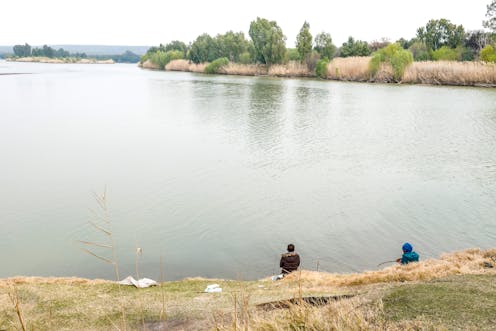
These tiny plastic particles are smaller than 5 mm in diameter. Some, known as secondary microplastics, are formed from the breakdown of larger plastic items. In natural environments like rivers, plastics are exposed to different degradation processes driven by thermal, chemical, microbial and mechanical forces.